The 2025 Nobel Prize in Medicine or Physiology was awarded this Monday to American scientists Mary Brunkow and Fred Ramsdell, and to Japanese scientist Shimon Sakaguchi “for their discoveries concerning peripheral immune tolerance.” This means that the laureates have identified the “security guards” of our immune system, scientifically known as regulatory T cells, which prevent immune cells from attacking our own bodies.
“Their findings have been fundamental to our understanding of how the immune system works and why not all humans develop autoimmune diseases”
This is a discovery that, as described by the Committee, stimulates the development of medical treatments for cancer and autoimmune diseases, as well as leading to more successful transplants. “Their findings have been fundamental to our understanding of how the immune system works and why not all humans develop autoimmune diseases,” explained Olle Kämpe, president of the jury.
After years of research, Sakaguchi was able to isolate regulatory T cells for the first time, a type of essential lymphocyte that modulates the activity of the rest of the immune system
The key discovery in this field was made by Japanese immunologist Shimon Sakaguchi in 1995. Until then, most researchers believed that immune tolerance only developed because potentially harmful immune cells were eliminated in the thymus, through a process called central tolerance. However, after years of research, Sakaguchi was able to isolate regulatory T cells for the first time, a type of essential lymphocyte that modulates the activity of the rest of the immune system and protects the body from autoimmune diseases.
Brunkow, a molecular biologist, and Ramsdell, an immunologist, also demonstrated that other mutations in Foxp3 cause serious autoimmune diseases in humans
Thus, on the one hand, Sakaguchi, 74, a researcher at Osaka University, was the first to demonstrate that in addition to the already known types of lymphocytes, this new type of modulating cells exists. On the other hand, Americans Mary Brunkow, 61, and Fred Ramsdell, 60, have been awarded for their research on autoimmune diseases, specifically on the Foxp3 gene. Their discoveries in this field have earned them the Nobel Prize. Brunkow, a molecular biologist, and Ramsdell, an immunologist, also demonstrated that other mutations in Foxp3 cause serious autoimmune diseases in humans. Among them is IPEX syndrome, linked to the X chromosome and suffered only by children, causing death in their first years of life.
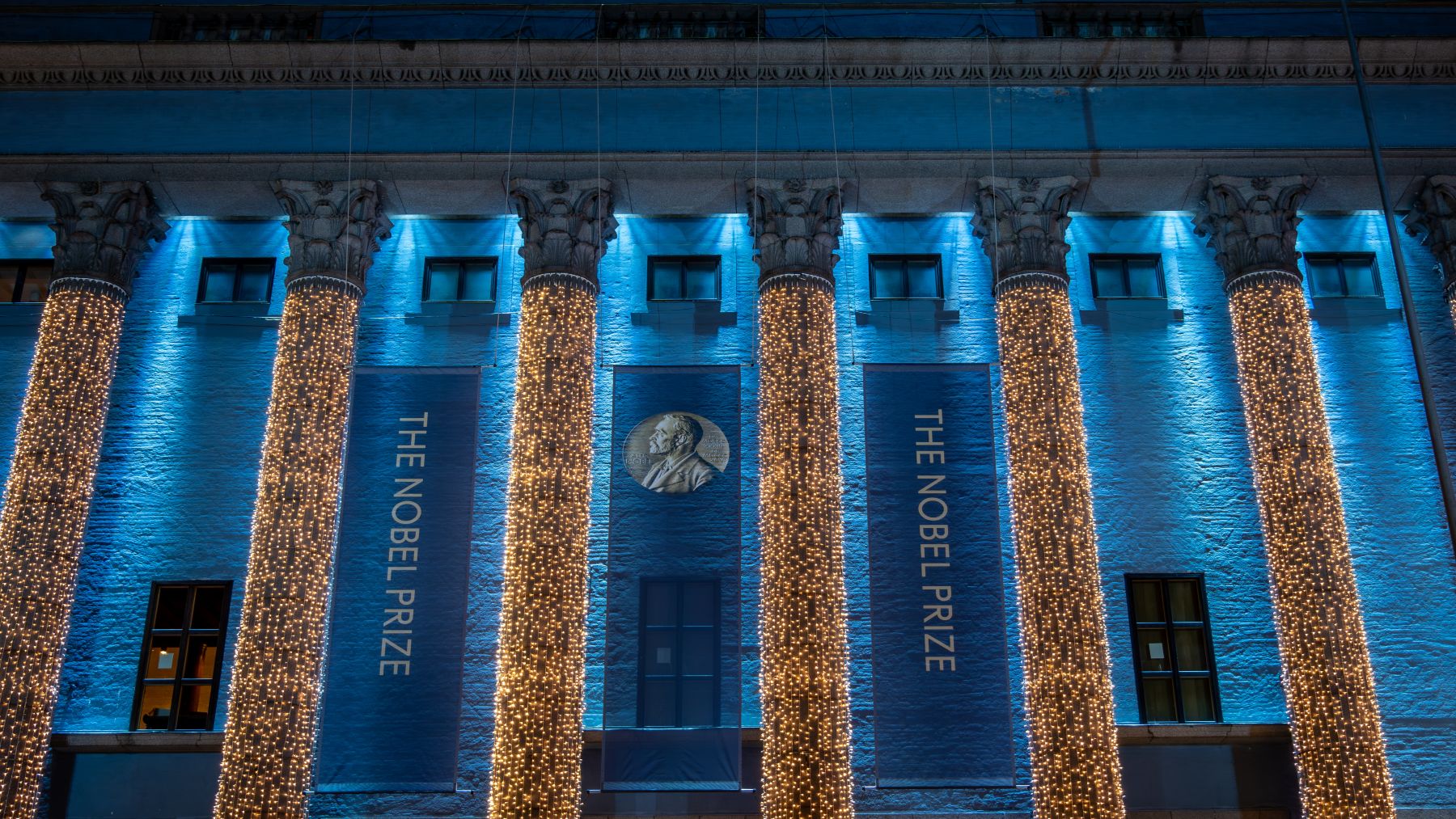
It should be remembered that this Nobel Prize originated with the inventor of dynamite, Alfred Nobel
Thus, the Karolinska Institute in Stockholm (Sweden) awarded the Nobel Prize in Physiology or Medicine this Monday; Tuesday was the turn of the Nobel Prize in Physics; Wednesday is the turn of the Nobel Prize in Chemistry; Thursday is the turn of the Nobel Prize in Literature; Friday is the Nobel Peace Prize; and Monday, October 13, the Nobel Prize in Economic Sciences. It should be remembered that this Nobel Prize originated with the inventor of dynamite, Alfred Nobel. Shortly before his death in 1895, Nobel wrote a will in which he expressed his wish that his fortune be used to reward those who made outstanding contributions to humanity. Thus, these awards have been presented since 1901.
The jury emphasized that the work of these three scientists brings future treatments for cancer and autoimmune diseases closer to reality
Therefore, the awards given to the American and Japanese scientists are of great value, as their discoveries open up a very important field for treating diseases. “I believe this will encourage immunologists and physicians to apply regulatory T cells to treat various immunological diseases,” Sakaguchi remarked after the ceremony. The jury emphasized that the work of these three scientists brings future treatments for cancer and autoimmune diseases closer to reality.