According to psychology, choosing to stay home rather than mingling with friends might imply a variety of internal processes, ranging from a desire for rest to deeper internal requirements. Staying home instead of going out with friends can be a perfectly healthy choice, according to psychologists, even though it is occasionally associated with feelings of loneliness or sadness. This behavior shows profound facets of emotional well-being and is not always unpleasant.
This is the reason why some people would rather stay home instead of going out to see friends
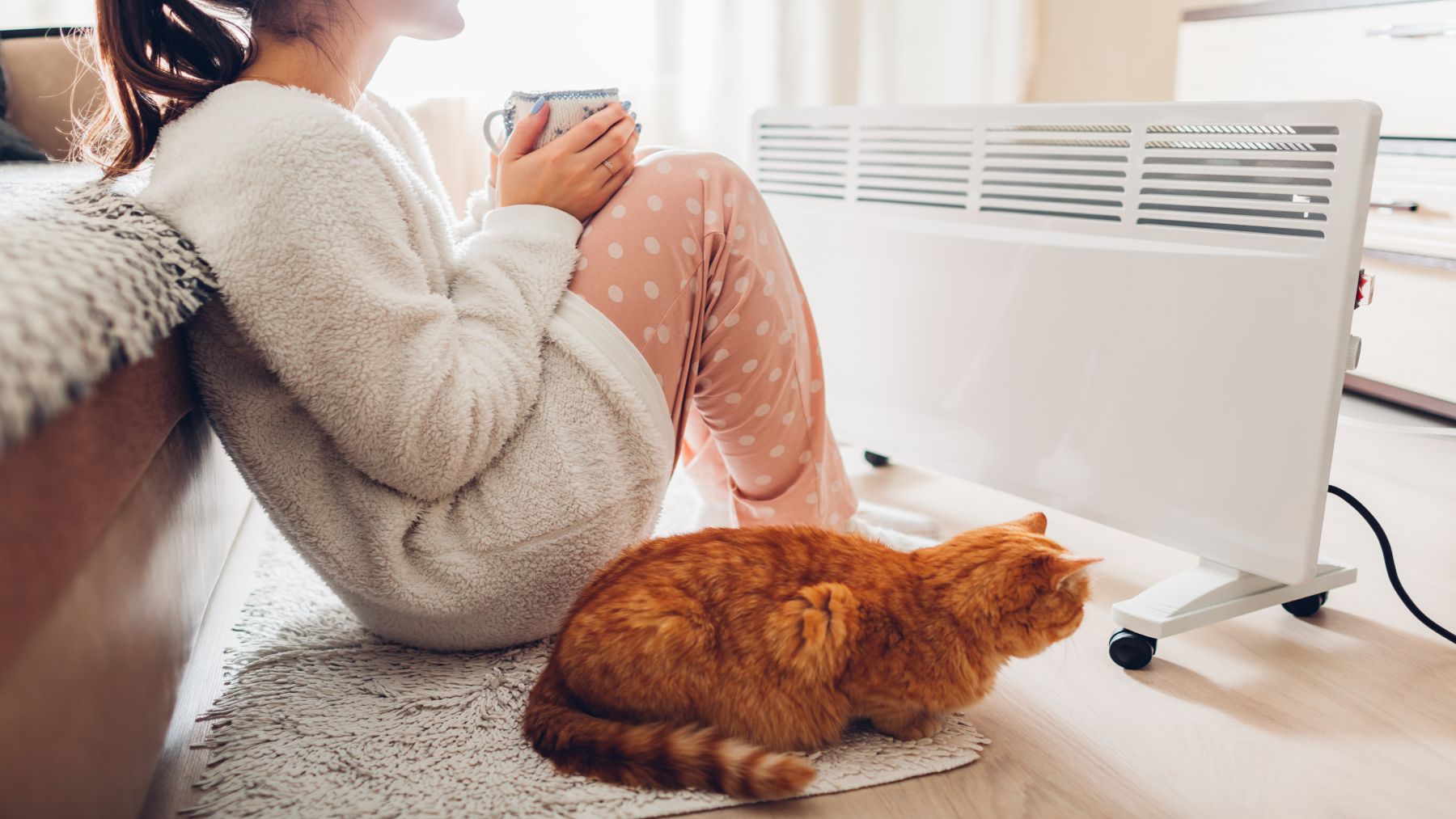
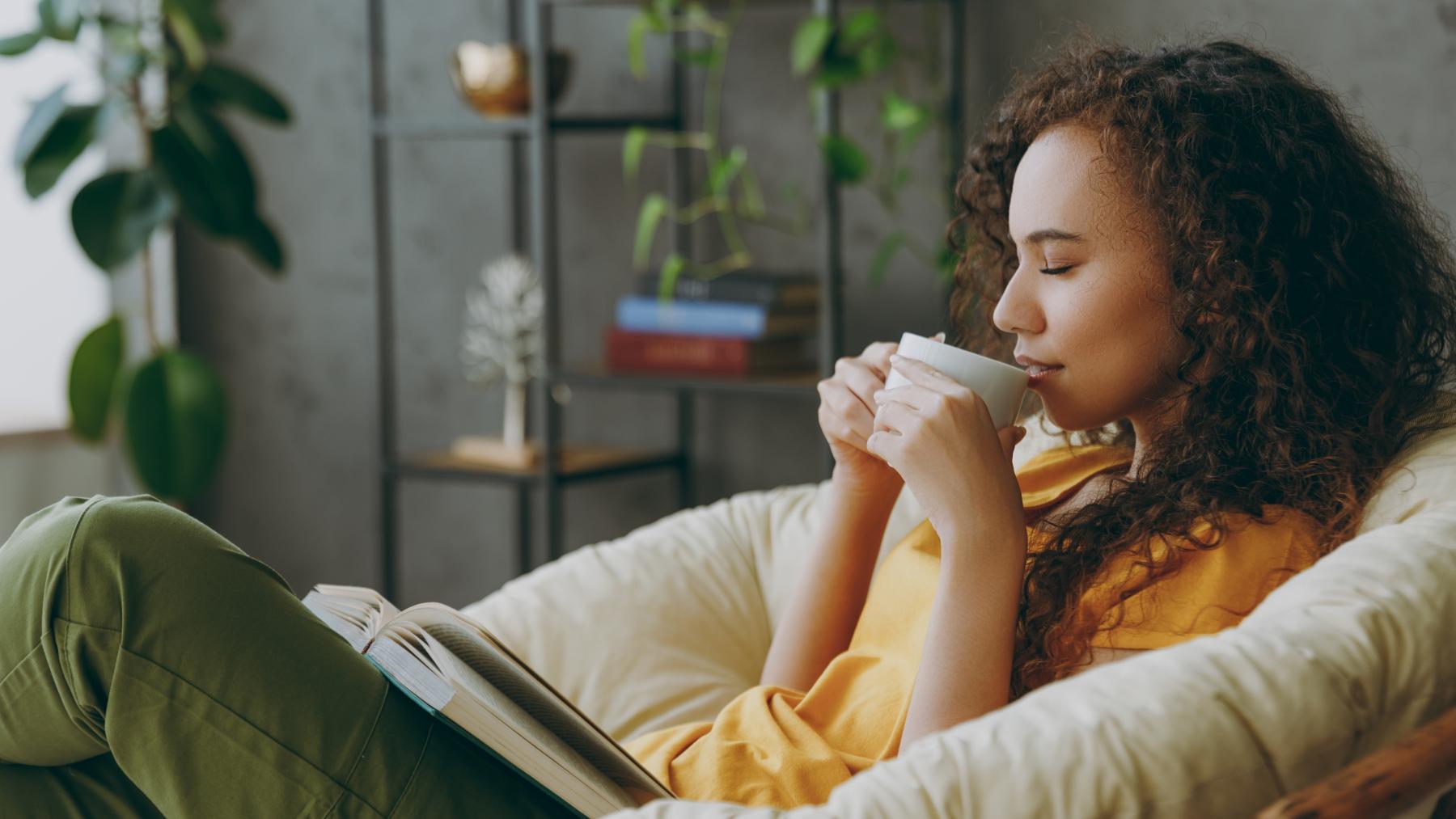
People frequently assume that if you don’t want to go out, it’s because something is wrong. However, the reality is that being by yourself does not always mean that something is wrong. Sometimes all you need to do is turn off the outside world, the noise, and the social interactions. Some people, such as introverts, find that being alone helps them stay balanced. Experts in psychology explain that introverts feel exhausted after a lot of social interactions and renew their energy when they are by themselves. Stated differently, staying at home might be a means of rejuvenating yourself.
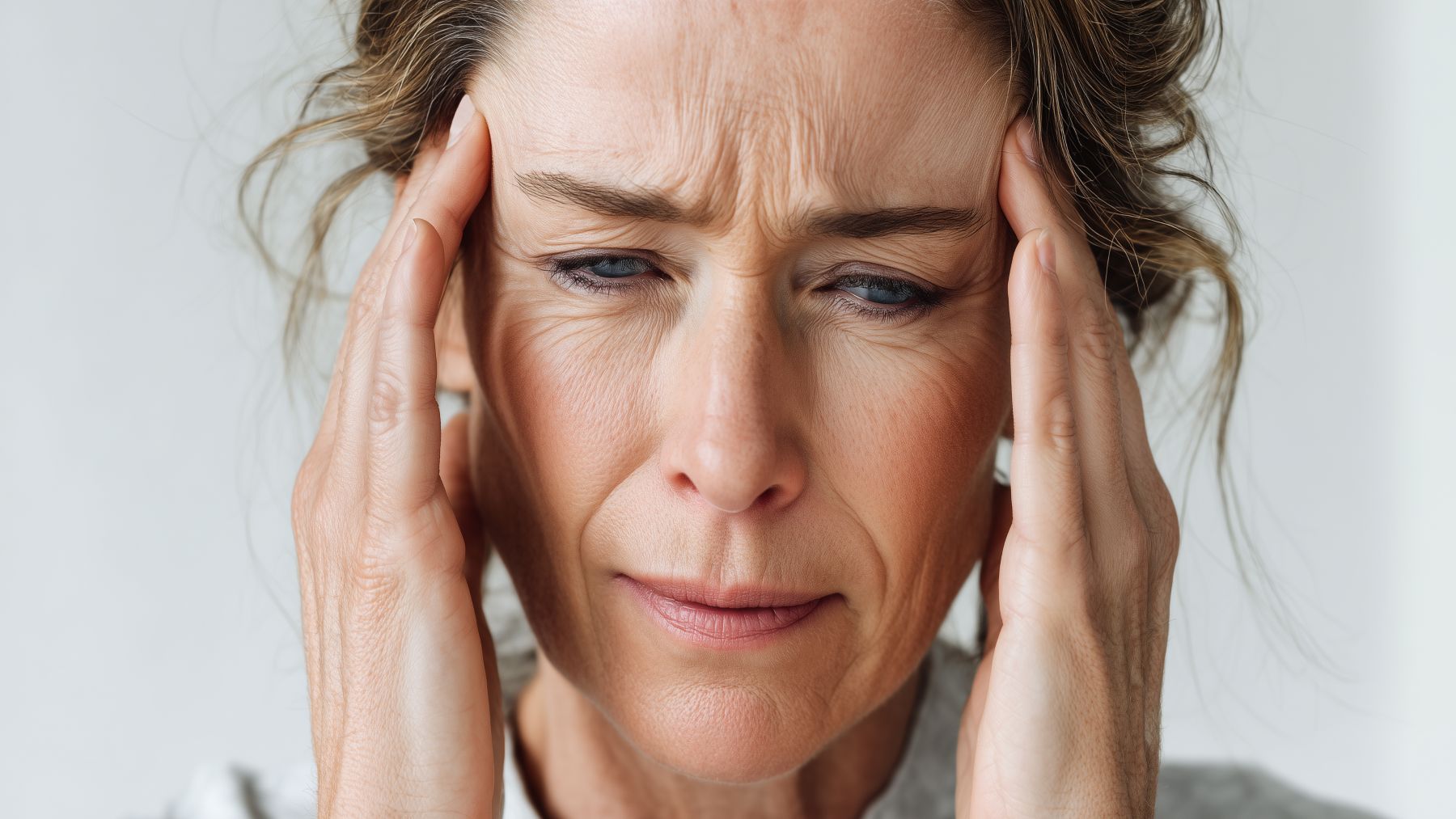
This need may also be connected to an internal quest. Sometimes we need time to reflect, to re-establish our goals, or to go over significant decisions. It could result from a period of transition, such as moving, losing a loved one, or starting a new job, or it could just be a side effect of a personal journey. It’s not always such a neutral choice. Another strategy for avoiding uncomfortable feelings is to avoid social situations. That sense of not wanting to see anyone could be caused by anxiety, persistent unhappiness, or a lack of motivation. Silence and distance may turn into warning indicators in certain situations. Experts caution that a sudden separation from the social circle is frequently a sign of hidden despair.
Emotional detachment is another important factor that psychologists emphasize. Perhaps what happens is that you no longer feel comfortable among particular individuals, rather than that you don’t want to go out. Friendships, like other bonds, evolve with time. As time passes, priorities shift. According to psychologists, a person seeking purpose in their relationships can easily leave a group that focuses on trivial amusement without causing strife. Affective selection is the term for this phenomenon, in which we select—sometimes unconsciously—whom to maintain relationships with based on our evolving needs.
Some people stay home due to technology, social networks, and the false sense of connection
These days, networks are still another important component. In actuality, we are frequently more alone, even if it may appear like we are more connected than ever. Moreover, experts caution that constant cell phone use lowers the quality of ties while creating the appearance of intimacy. Hours spent on social media can lead to an instant sense of satisfaction that eventually takes the place of genuine friendships. Studies in cognitive psychology have shown that those who spend more time online have less of a need for in-person interaction. The reason for this is not that he no longer desires his pals, but rather that his brain has adapted to other, quicker, and less taxing stimuli.
What should people who stay home for these reasons do to avoid future problems?
First, pay attention to yourself. It’s acceptable if you would rather remain at home since you believe you need that time for yourself. Psychologists say that if you feel relieved when you have to cancel a dinner, it could be an indication that you are uncomfortable in that relationship. However, it’s essential to take your time and talk to someone about it if it’s weighing you down, if you want to go out but are unable to, or if loneliness makes you feel depressed.