
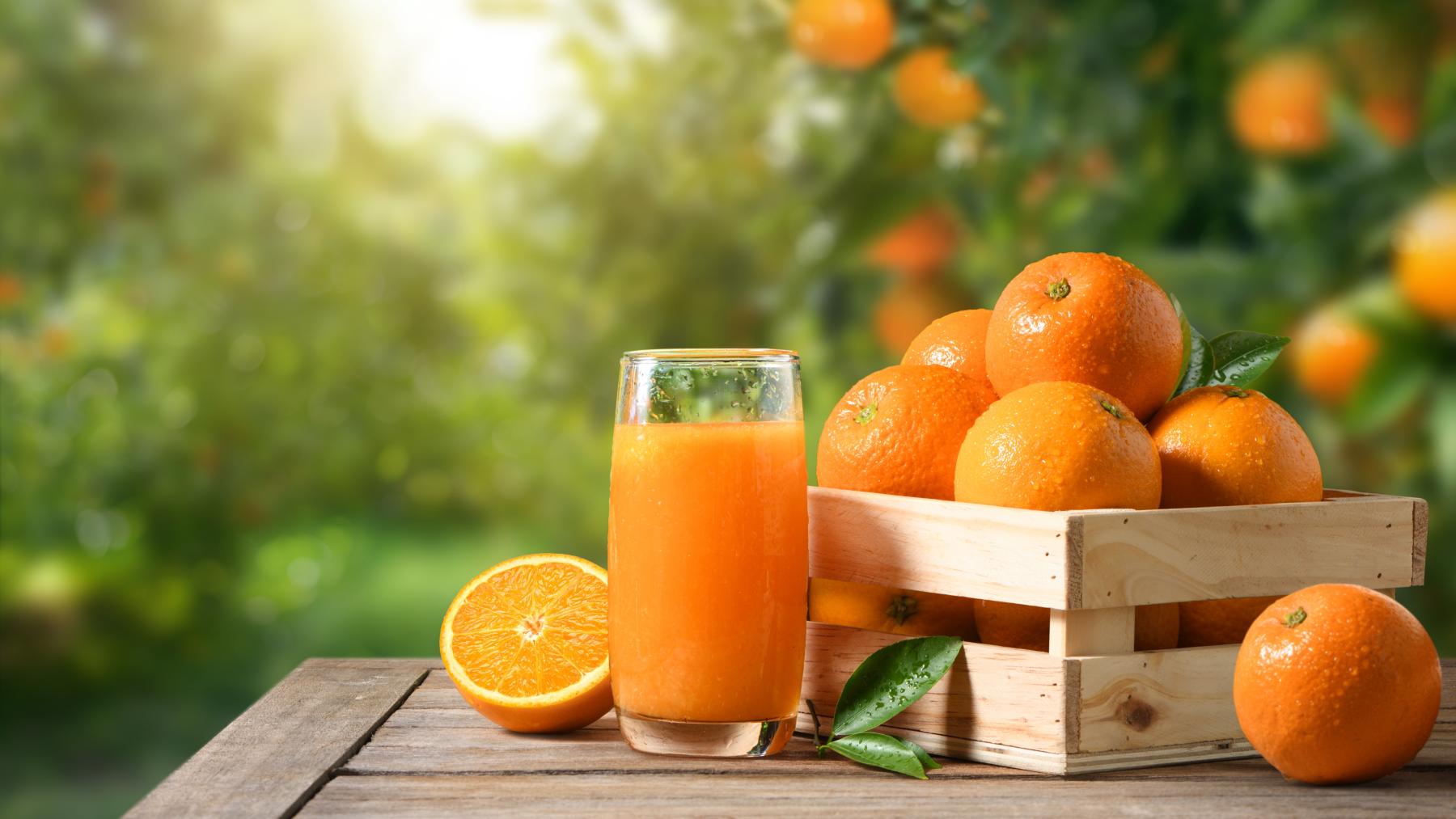
Oranges with natural sugars are the most effective in raising blood sugar levels, although it’s still unclear if this type of common drink is superior to wine or beer. During Spanish celebrations, toasts multiply and are central to (nearly) everything. Some individuals choose to make them with beer, others with wine, and some may choose juice since they believe it is healthier. Indeed, natural fruit juice is always healthier than any alcoholic beverage, albeit there are some exceptions regarding the glycemic peak.
Experts have revealed the common drink that causes blood sugar to unexpectedly rise
In most circumstances, we believe that alcohol, such as wine or beer, will not have a significant effect on our blood glucose levels because it is not a particularly sweet drink and does not contain a high alcohol content. According to specialists, this detail is not particularly significant because alcohol contains carbs, which are converted into sugar in our bodies. Contrary to popular belief, and despite its low sugar level, beer has the highest carbohydrate concentration (when compared to wine or natural fruit juice). If you consume more than one beer per day, keep in mind that the glycemic peak will be larger than usual, even if the drink appears to be ‘harmless’ in terms of sugars.
Finally, beer (and alcohol in general) is high in calories, making it unsuitable for weight loss strategies, but there’s even more. Beer causes blood glucose surges, which can quickly lead to hypoglycemia, making it more difficult to manage. It’s similar to a Ferris wheel in that it starts very high and then drops dramatically. By far, specialists consider beer to be the greatest enemy in the effort to control blood sugar levels. A beer typically contains 10 to 15 grams of carbs. To counteract the consequences of beer drinking, which raises blood sugar and causes hypoglycemia, it is critical that we stay hydrated, eat well beforehand, and limit our beer intake.
Why is orange juice a bomb for blood sugar?
Fruit liquids, particularly orange juices, are unquestionably healthier than alcohol. However, liquids produce glucose spikes because they remove the fiber from the fruit, allowing sugar to reach the bloodstream more quickly. The supply of vitamin C is guaranteed, as are other healthful characteristics and the essential energy… yet juices cause a significant (and unwelcome) surge in sugar levels. Thus, nutrition experts advocate eating many pieces of fruit each day rather than squeezing fruit to get the same amount of calories but significantly less sugar. Ingesting the fiber with the fruit slows the entry of glucose into the blood, making the process much more natural and avoiding blood glucose peaks.
What happens to our blood sugar if we drink wine?
The first thing to keep in mind is that not all wines influence our bodies in the same manner. For example, ‘dry’ ones often contain far less sugar; sweet and semi-sweet ones, on the other hand, have a greater impact on the glycemic index. Dry red wine is the most modest of the available kinds. Sweet wines, on the other hand, cause a rapid increase in blood sugar. Regardless, wine (in moderation) is always a better choice for glucose control than beer. Our digestive system converts carbs into glucose, which is taken into the circulation. Insulin, a hormone secreted by the pancreas, then enters the cells and provides the energy they require.
The issue comes when the body fails to create enough insulin or does so incorrectly. Glucose accumulates in the blood, causing the feared hyperglycemia (high blood sugar). According to a recent study undertaken by the American Diabetes Association, drinking wine may lower blood sugar levels. The key is quantity: a glass per day delivers antioxidants and polyphenols, but anything more has the opposite impact.




