
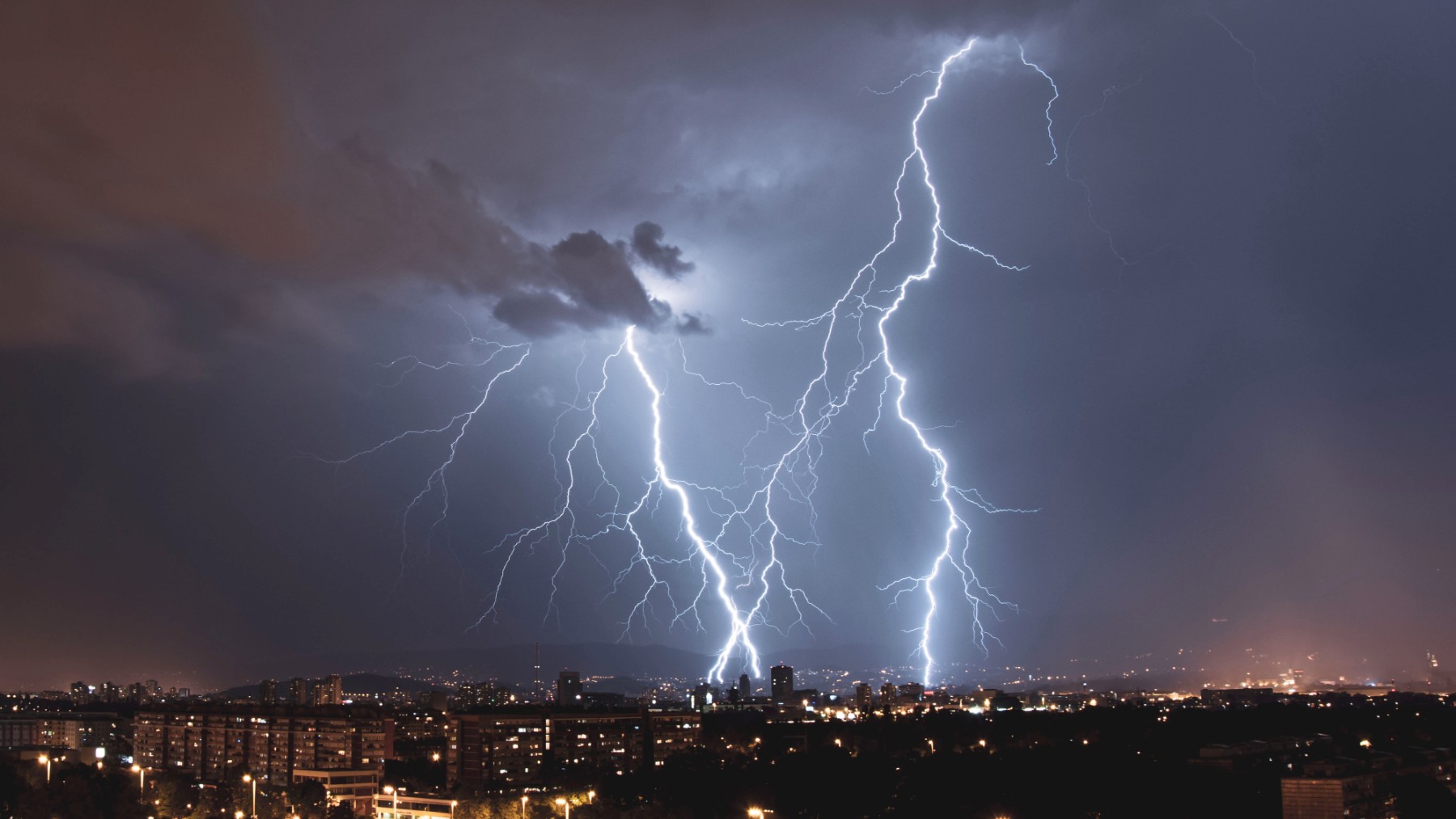
During storms, many people tend to choose the option of staying indoors and sheltering from the rain and bad weather. It has to be said that many people even like to stay indoors during periods of rain and storms watching series or movies. However, when storms involve powerful electrical components, it is advisable to unplug electronic devices from the power supply to avoid damage. We need to be aware of the many elements in our homes and we also need to know which devices can safeguard us from this potentially dangerous weather situation. Have a lightning rod at hand, unplug all electrical devices are some of the measures that are recommended in the first instance. Read on to learn more about how to act during a thunderstorm.
The tree option is never save
Advice is often given on how to act or what to do, and the most common advice may not be the most effective. However, we must keep in mind one thing that should never be followed: if we find ourselves in a severe thunderstorm, the first thing we should avoid is taking shelter under a tree.
Along these same lines, we must also be cautious when being near or next to large bodies of water such as the ocean, rivers, or lakes, as they also promote lightning strikes during the storm.
However, if we are lucky enough to be at home and all the electrical discharges that night are very intense, the first thing we must do is get to safety and, in addition, disconnect any electronic devices from the power grid.
Get to know what is truly recommended to absorb electrical energy
On the other hand, another fact to consider is how buildings are constructed, or even what facilities they have to help during these weather conditions.
First of all, the vast majority of buildings are equipped with lightning rods that absorb electrical energy and have electrical systems adapted to possible surges. These devices are of great help in controlling the electrical load and also staying safe at all times.
However, despite this, it is strongly recommended to unplug all electrical devices from their outlets.
These notions are familiar to most people, but they are small details that are often overlooked and often overlooked. This is the main cause of problems arising from thunderstorms. If you haven’t remembered which device I’m talking about by now, televisions are the main devices to consider.
The antenna cable storm danger
When it comes to disconnecting devices during a storm in our homes, it’s usually enough to turn off the power strip or unplug the device directly from the outlet. However, there’s something else that’s overlooked and just as important.
You might be wondering what this is, but we shouldn’t forget the other cables connected to those devices. In the case of televisions, simply turning them off or unplugging the power cable isn’t enough. The biggest risk here, as we mentioned, is the antenna cable.
Be careful with antenna cable
During the short or long periods of lightning strikes, the antenna cable, which is usually located at the highest point of the house, is where lightning is most likely to strike. Because it transmits high voltage directly from the television, it can cause damage to its components.
If we consider what Wm Henderson explains, around one in every 200 homes is struck by lightning each year, damaging electronics and appliances, or much worse.
You must be well aware of how to act in the event of a thunderstorm and, above all, what to do with the cable and the electrical current, as this can cause more problems than we initially imagine.




