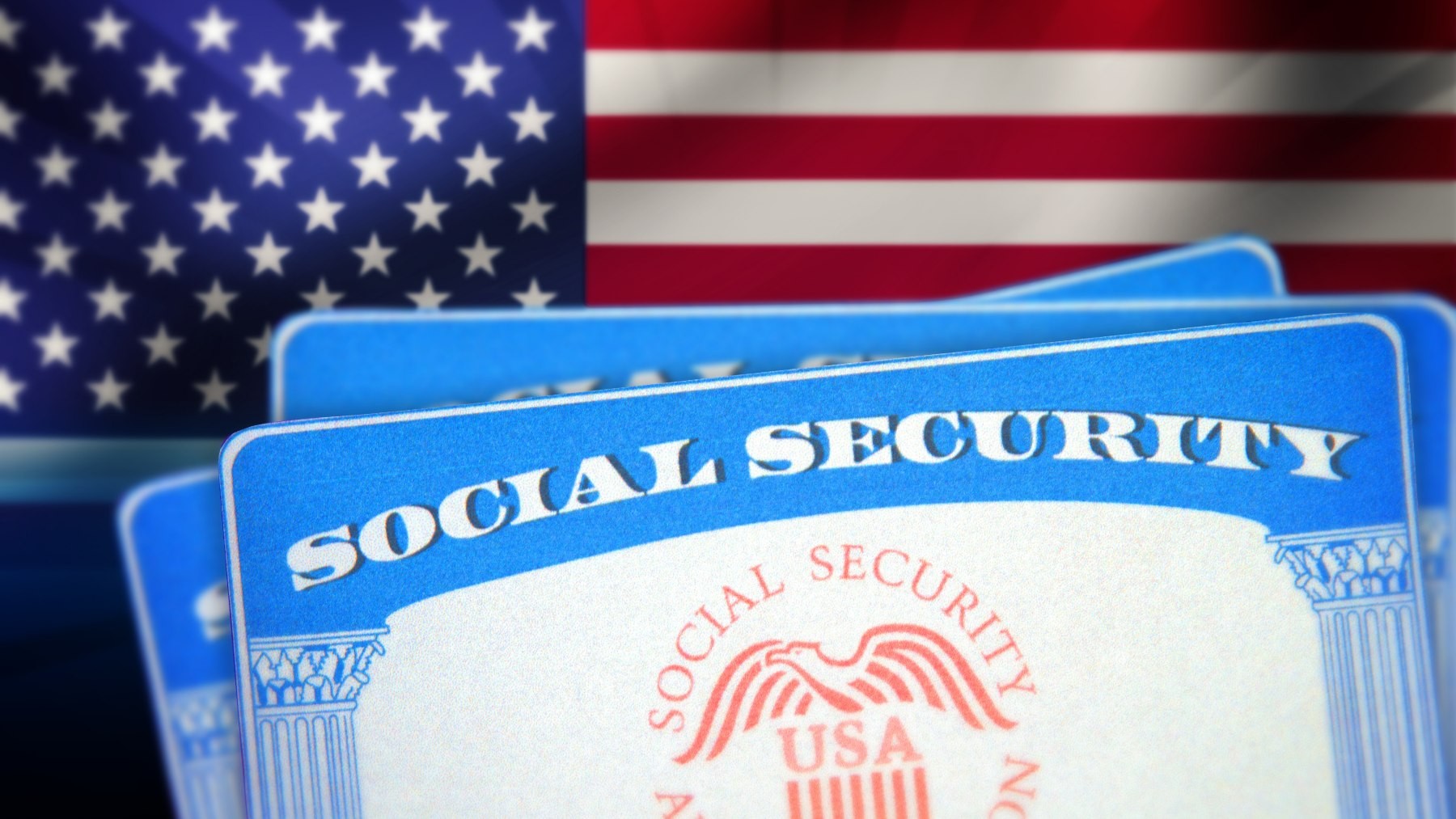
As a response to the increase in fraud in the Social Security, mainly when updating information on direct deposits, new policies have been implemented by the administration of Trump. The Social Security Administration will require citizens to be present for verification of their identity. The problem which has arisen with this measure affects older people and people with disabilities.
According to the Centre for Budgetary Policy Priorities, there are 8 million elderly people who have medical conditions or disabilities that prevent them from traveling and moving to offices. In addition, the time and effort involved in this journey for those people from rural areas who are faced with a minimum of one hour’s drive has not been taken into account. As an alternative, it has been proposed that users be able to access their Social Security account through My Social Security, in order to manage their survivor benefits, auxiliary benefits and retirement benefits.
Social Security new measures
The United States Social Security Administration has introduced a new measure that has not entirely pleased the population. Although it was possible to carry out virtually all the procedures by telematics, this procedure has been the exception. According to the administration, the process of changing and updating direct deposit data will require the presence of the holder on an annual basis. What was the problem? According to the data, a quarter of seniors live an hour away from their nearest Social Security office. According to the Center on Budget and Policy Priorities, for around half of the seniors, it will take a 33 minute drive to get to their nearest office.
Why does this procedure require in person visits?
The Social Security launched an investigation to try to control fraud in this type of procedure. Between 2 March and 26 April, more than 20,000 fraudulent phone calls were registered, with the intention of updating or obtaining information from direct deposits. According to the administration, “between 61 and 72 per cent of those calls were not made by account holders”.
Since the calls never ended with this data collection by the applicant, who never called again, there are more than obvious indications that these were fraudulent calls. It is for this reason that the need to strengthen security in this process has been identified, since thanks to the research carried out by the Social Security, approximately $19.9 million in losses were protected.
Are there no alternatives?
According to a March press release made by Lee Dudek, Acting Commissioner of Social Security “In addition to extending the policy’s effective date by two weeks to ensure our employees have the training they need to help customers, Medicare, Disability, and SSI applications will be exempt from in-person identity proofing because multiple opportunities exist during the decision process to verify a person’s identity.” Office staff will receive adequate training to carry out these procedures and be able to solve the doubts and needs of beneficiaries, while those who have services or conditions in Medicare, Disability and SSI applications, will be exempt since the procedure for applying for such aid already requires sufficient identification.
Mobility of the elderly
To request an appointment, you must go to my Social Security and ask for a code. There are many elderly people who cannot access my Social Security online, so the visit to offices is even more mandatory. Not only elderly people, but also those living in areas such as Arkansas, Iowa, Maine, Mississippi, Montana, Nebraska, North Dakota, South Dakota, Vermont, and Wyoming, where 40% of the population is elderly. These people would have an hour’s journey ahead of them regardless of their geographical and health limitations. Do you think the Social Security should offer an alternative in this cases?
Here you can see the steps to access my Social Security!