
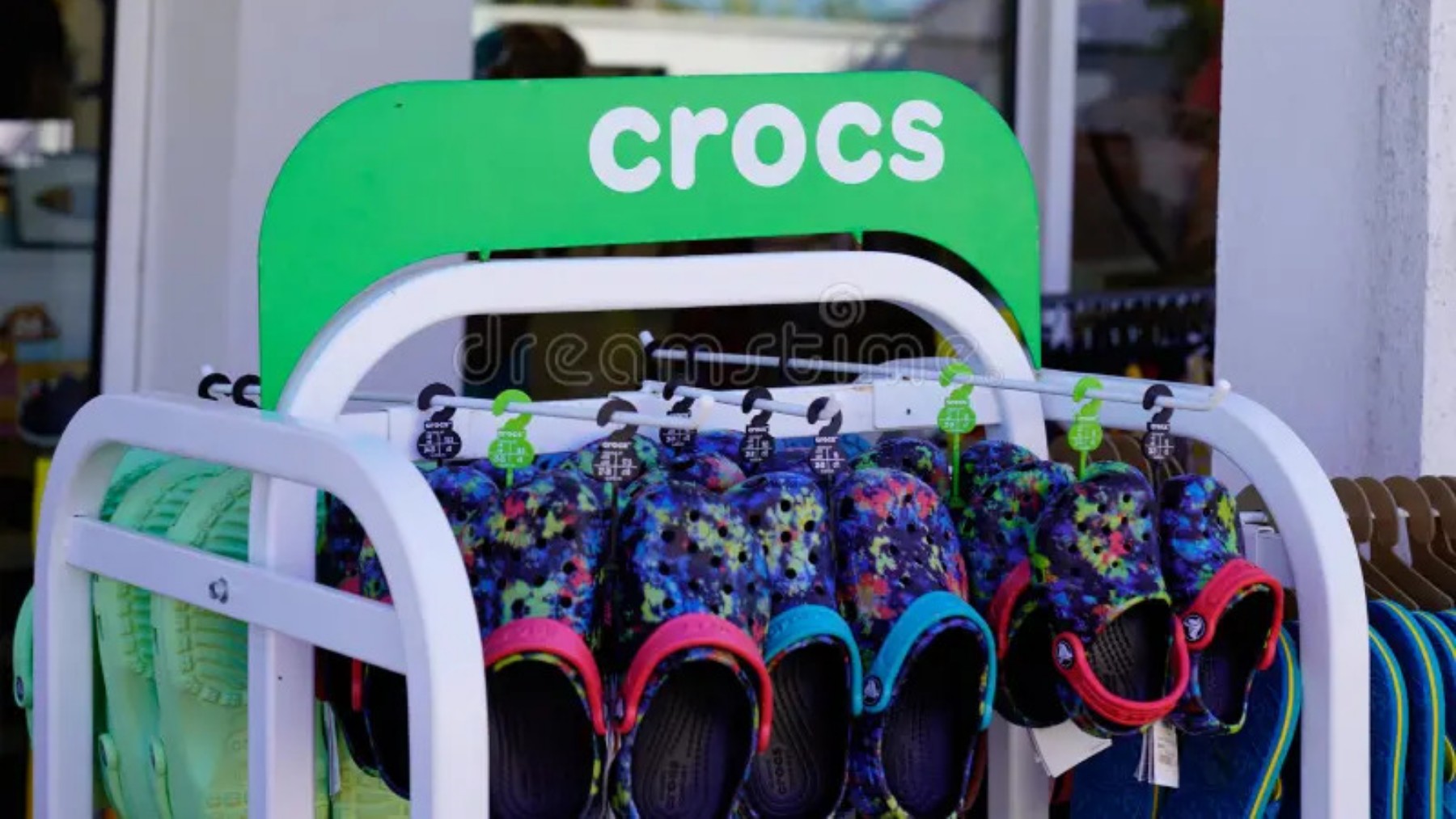
The well-known footwear company Crocs is facing a class action lawsuit in the US. Through its electronic commerce platform, it used misleading advertising, advertising false discounts on products that had never really been discounted. It is a violation of consumer law, so the demand requires the Consumer Protection Act to take action on the matter and investigate all online sales activity of the company.
Crocs
This American factory was first launched in 2001 by George B. Boedecker Jr. Based in Broomfield, Colorado, sold the first 200 pairs it had in stock after showcasing its Crocs Beach model at the Fort Lauderdale Boat Show. Since then, the success of the brand has been increasing, being able to position itself thanks to its unique and singular designs. It is one of the most copied brands by low quality manufacturers, who sell them at a much more affordable price.
Consumer Protection Act
Consumer Rights is a set of regulatory laws designed to protect buyers of goods and services from unfair and misleading business practices. These include the following rights:
- Safety.
- Information.
- Election.
- To be heard.
- Repair.
- Credit protection.
- Protection against misleading business practices.
- Protection against telephone harassment.
Whether you buy in a physical store or through an online platform, all these rights belong to you and must be fulfilled without exception.
Grounds for collective action
Several accusations have been made against the Crocs company and its alleged malpractices. Specifically, you are accused of violating the False Advertising Act and the California Consumer Remedies Act. But, what exactly has the mark done?
Drew Hunthausen is the head of this class action and its spokesperson. According to his testimony, the company published certain products on its website with an alleged discount that was allegedly fake. I create false “reference prices” on which I apply these discounts, making the buyer believe that the product was really discounted, when the reality is that the offer price was exactly the same as the original.
According to him, “”The result is a false price disparity that is per se illegal under California law.” In addition, not only did he arrange for the irregular sale of these products, but he also publicized it. Through advertising and banners, encouraged the consumer to take advantage of these “fantastic offers”, when they really were not.
Consumer´s manipulation
Hunthausen explains in the lawsuit that none of this was accidental or the result of an error. Quite the contrary. It argues that the company is consciously carrying out this type of practice. Create inflated fictitious prices, apply a ghost discount and advertise them as if they were the big opportunity of your life. Anything to increase profits and sales.
However, they also engage in consumer manipulation by making them believe that a certain product they would not buy at its original price is discounted. Hunthausen claims that “the defendant thus induces customers to buy products they would never have bought – or at least, to pay more for the goods than they would if the defendant were simply being honest about their ‘sales'”.
Therefore, the claim requires that the company be subject to a jury trial and that both precautionary and declaratory measures be applied, as well as liability for payment of possible legal damages, attorneys, costs and fees. They are asked to be convicted of violating the False Advertising Act and the California Consumer Remedies Act.
As if this were not enough, in 2024 I also faced another class action lawsuit for having omitted that one of the materials with which the Croslite models were made shrunk when exposed to direct sunlight and ordinary heat. What other secrets does the Crocs brand hold?
Find out other brands you should be careful with!




