
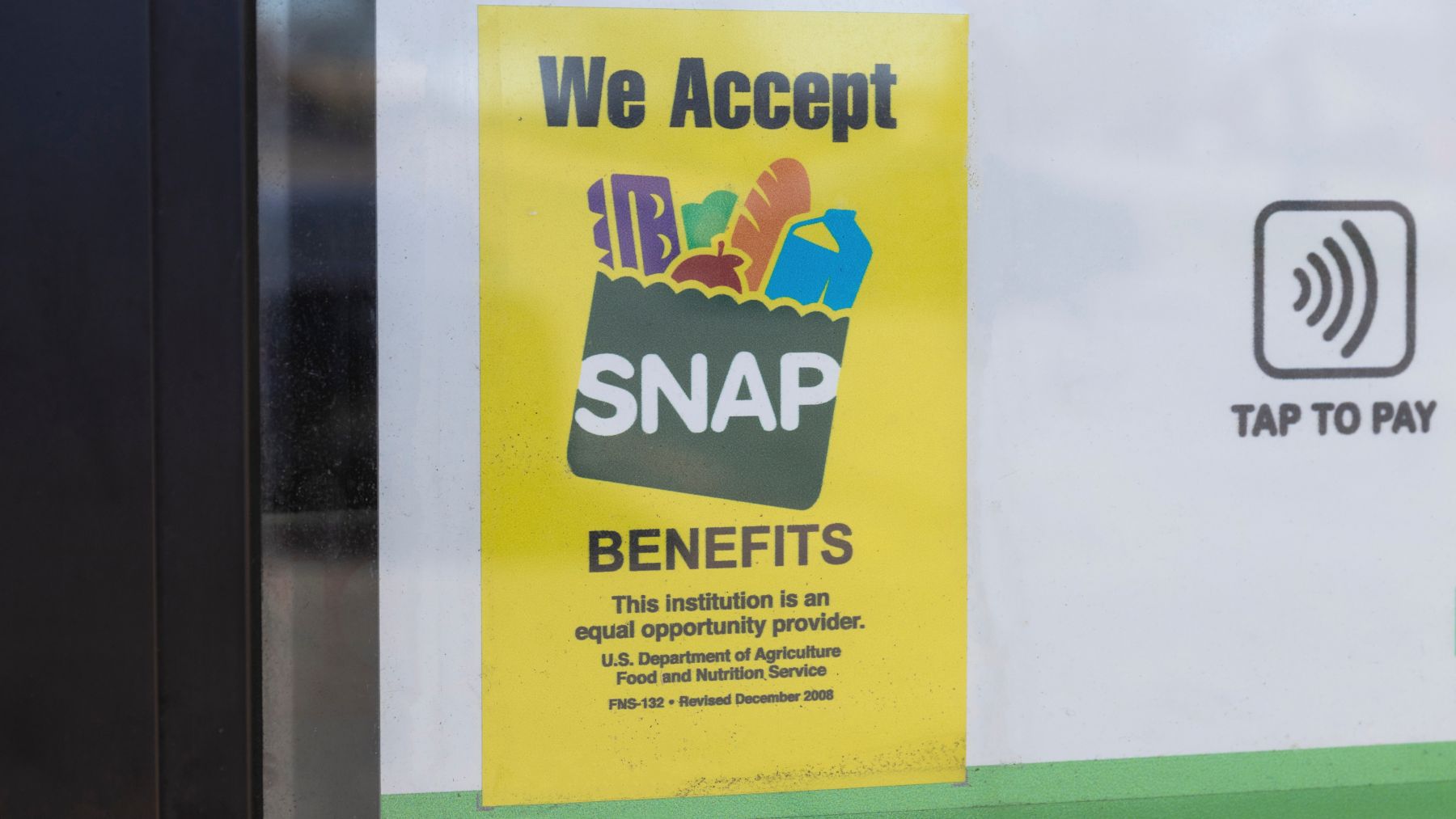
Since income and spending fluctuate constantly, it never hurts to evaluate your budget and see if any changes need to be made. If you’re on a program like SNAP, knowing how much you receive each month might be essential to controlling things. Benefits are updated annually by the Food and Nutrition Service of the U.S. Department of Agriculture (USDA), so staying informed about changes is critical. Families were impacted by significant changes to the Supplemental Nutrition Assistance Program (SNAP) in 2025, particularly concerning eligibility limits and allotments. What does this entail for families, though? Let us look.
This is what SNAP beneficiaries will receive based on the number of people in their family
Benefit changes for the 2025 tax year become effective on October 1, 2024. Indeed, some households will have more money. Because maximum allowances and housing limitations were raised in the majority of states, SNAP recipients may experience an increase in their benefits. This covers locations such as the U.S. Virgin Islands, Guam, and Alaska. The maximum monthly allowance for a family of eight across the 48 states and Washington, DC, would be $1,756. This is a fairly obvious solution to the question.
A family in Hawaii would receive a smaller allowance of $1,723, but even that is an increase over prior years, so it’s a good adjustment, particularly if you reside in an area where living expenses are higher. The number may potentially be higher in Alaska, reaching $1,953. Naturally, the size of the household and the location affect this amount. The allowance will increase by $220 for each extra person living in your household if there are more than eight. Thus, for instance, your monthly allowance would be significantly greater if you had a family of ten.
It’s crucial to remember that these benefits are based on both your net income and the number of people living in your home. Understanding that SNAP has specific income requirements—which were also modified for 2025—is crucial. Depending on the size of your household, your gross monthly income must not be more than a certain percentage of the federal poverty line to be eligible. As an illustration:
- The maximum monthly income for a household with one person is $1,580.
- A family of four is subject to a higher maximum of $3,250.
Beneficiaries should be aware that their eligibility for SNAP assistance may be denied if their income surpasses certain limits. For this reason, it is important to double-check your financial information and even request additional advice if needed.
How does the SNAP benefit program work?
The Supplemental Nutrition Assistance Program, also known as SNAP, gives monthly money for groceries. With approximately 41 million beneficiaries in 2022, it is the biggest anti-hunger initiative in the United States. Following your SNAP approval, you are issued an EBT card, which functions similarly to a debit card and can be used to buy food at approved restaurants. For many families living paycheck to paycheck, SNAP benefits are essential, particularly when income restrictions and allowances are modified. Even if the program is no longer known as “food stamps,” as it once was, it is still a crucial resource for getting access to reasonably priced, healthy food.
When will beneficiaries receive their SNAP benefits in March?
- Alabama: March 4-23
- Delaware: March 2-23
- Florida: March 1-28
- Georgia: March 5-23
- Indiana: March 5-23
- Kentucky: March 1-19
- Louisiana: March 1-23
- Maryland: March 4-23
- Michigan: March 3-21
- Mississippi: March 4-21
- Missouri: March 1-22
- New Mexico: March 1-20
- North Carolina: March 3-21
- Ohio: March 2-20
- Tennessee: March 1-20
- Texas: March 1-28
- Washington: March 1-20
- Puerto Rico: March 4 – 22




