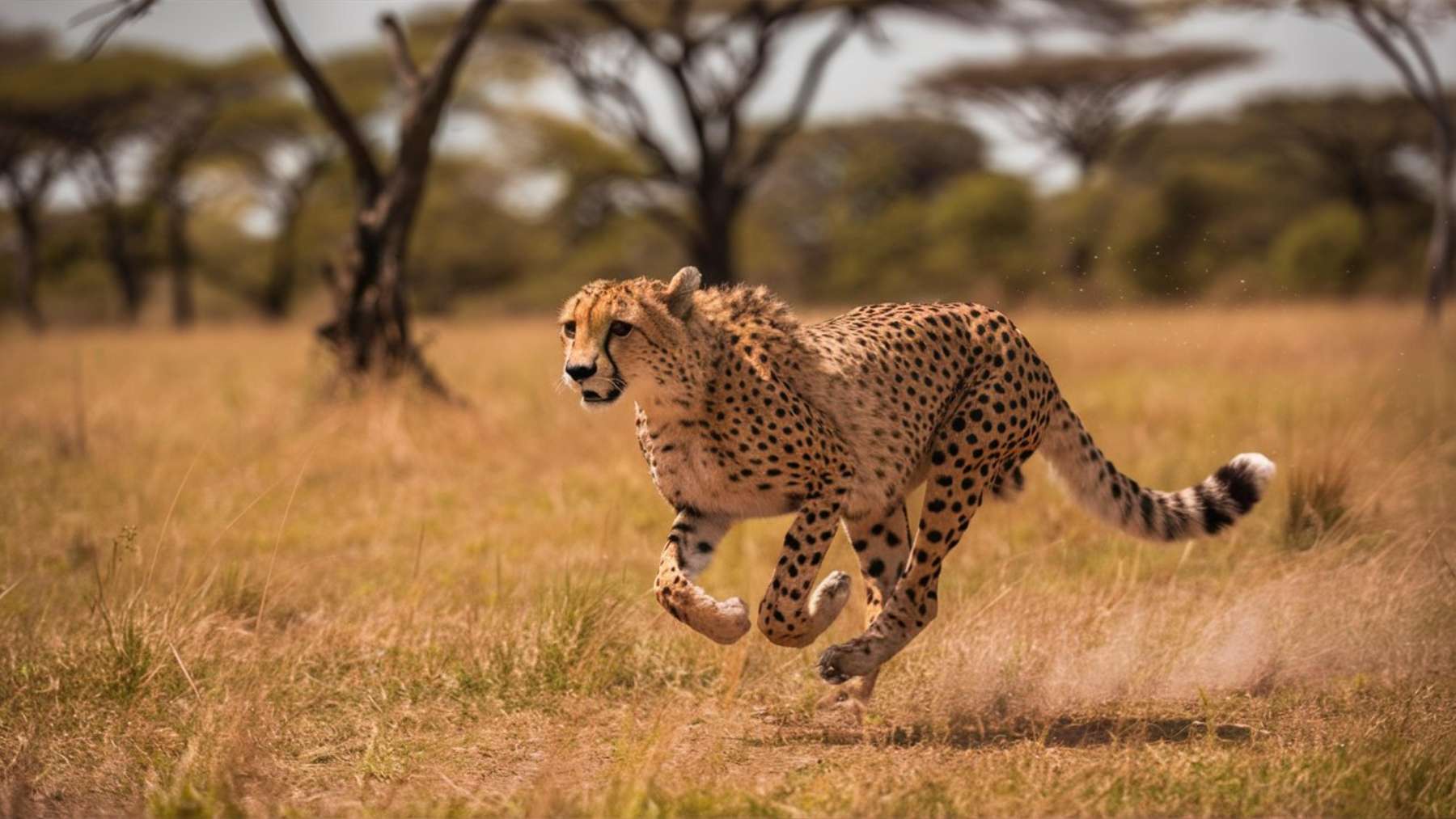
The Asian cheetah, known as the best predator and the fastest mammal on the planet, is currently considered a critically endangered carnivore, which is on the brink of extinction, with only 17 individuals remaining in a single country following the establishment of various populations in the 1990s. Everything about it is designed for speed. Its feet barely touch the ground as it reaches speeds of 70 mph during a twenty-second chase. Cheetahs were once common in India, Pakistan, Bangladesh, and the Middle East, in addition to sub-Saharan Africa. The Iranian Environmental Protection Agency, for example, estimates that the world’s population of Asiatic cheetahs has dwindled to just 17.
Scientists have confirmed that the best predator on the planet is on the verge of extinction
The World Wildlife Fund estimates that just 6,600 cheetahs are remaining in the world, with the majority of them being found in South Africa. The Asian cheetah (Acinonyx jubatus venaticus) is a subspecies of this predator. This predator is a feline that can attain extremely high speeds of up to 100 kilometers per hour, just like other species of comparable African ancestry. It can also reach an average length of 1.3 meters and a weight of 54 kilos. It often targets medium-sized herbivores like gazelles, lambs, and goats for its hunting. Their habitat used to stretch from India to the Red Sea, but within the past century, the species’ population has started to entirely decline.
In the 1990s, there were approximately 400 of them, and in 2007, their population was believed to be between 60 and 100. But in recent years, that number has fallen to less than 20, and the subspecies is now considered severely endangered. The primary causes of this threat include poaching, the gradual destruction of its habitat, and the decline in hunting of its preferred prey, gazelles. Numerous cheetahs have been killed by hunters and herders who have little regard for the animal kingdom, and many more have been ran over on the roadways. To safeguard the subspecies, the Iranian traffic police and animal protection authorities have inked a cooperation agreement, according to MTI.
Critical conservation efforts are being made to prevent this predator extinction
Less than 8,000 African cheetahs are thought to exist throughout the continent, according to biologists. The number of units of this species that remain in the area is probably less than half, but researchers are unable to confirm this mostly because of the paucity of observation in the savannah. However, most of Africa is still underrepresented in the literature overall, and there are chances to learn more about the majority of species and nations. According to a team of academics who study these animals, we create suggestions for ways to address biases that have been found and provide researchers, practitioners, and policymakers with objectives to assist and guide future research and monitoring plans.
It is important to highlight that despite the current challenging circumstances, there is hope for the cheetah’s life, and that hope stems from people’s willingness to assist in its rescue. Conservationists in Namibia are collaborating with local farmers to demonstrate to them how to live in harmony with cheetahs. Farmers are now using guard dogs and even guard donkeys to protect their cattle instead of shooting cheetahs. Another crucial component in this predator’s conservation is zoos. For the benefit of cheetah welfare zoos in North America that house cheetahs, such as the Maryland Zoo, collaborate on conservation, education, and research. Human education is essential. Locals in Africa will become the next generation motivated to rescue this amazing cat and protect its future if they learn to view this predator as a resource for boosting ecotourism.