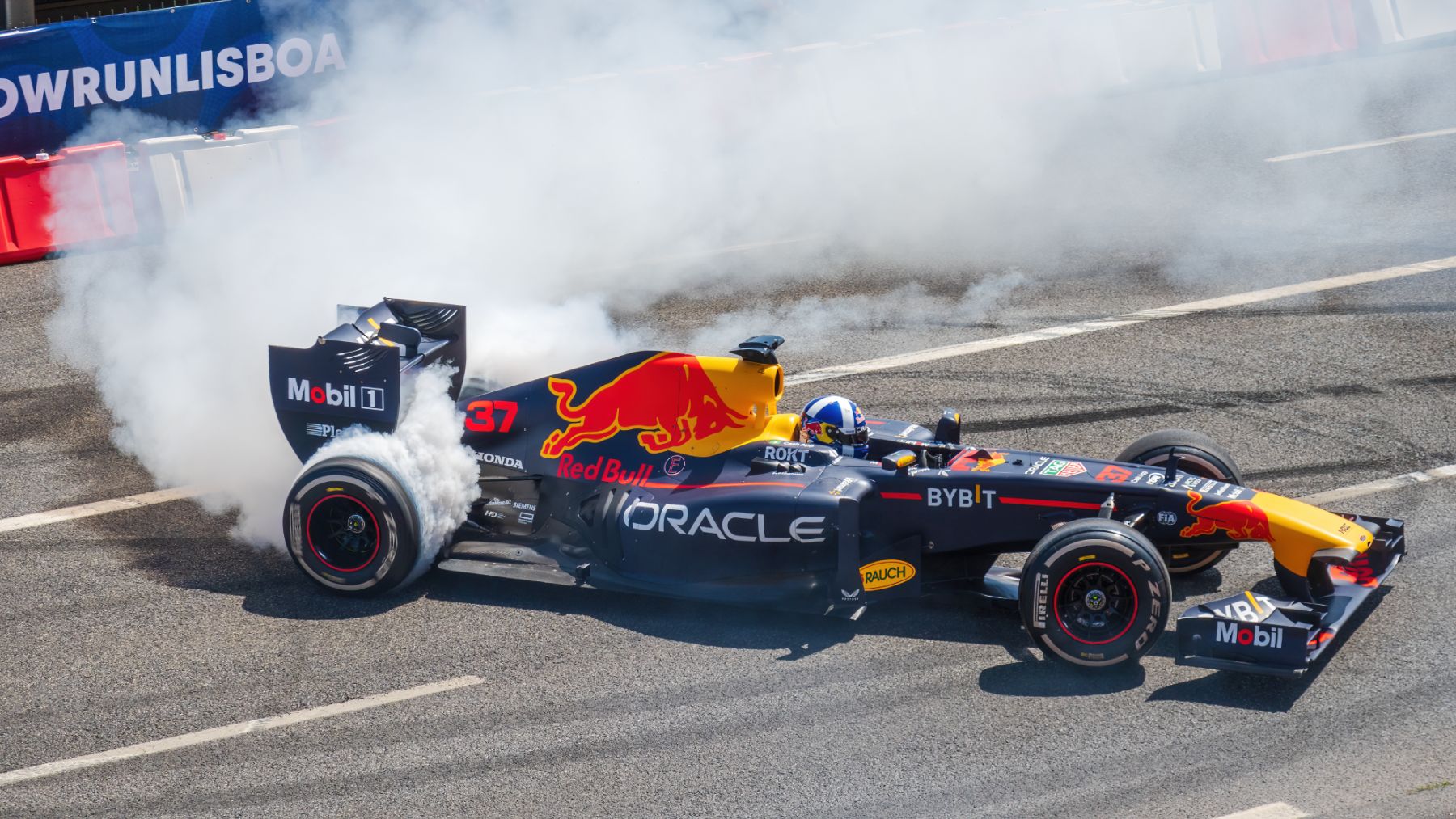
By 2030, an energy revolution is expected in four-wheel sports that will directly impact zero-emissions. This is because one of Formula 1’s main concerns is climate change and finding a path toward sustainable fuels. Formula E is doing great work in this field, but F1 needs to focus its efforts on approaching engine change and innovation.
F1 bets on 100% sustainable fuels by 2030
The idea for 2030 is to change the current fuel used by F1 cars into a 100% sustainable fuel. This new fuel is made using waste biomass, renewable sources, and capturing carbon from the air. This means that carbon that’s already out there can be reused. And that’s good news for the environment.
One of F1’s greatest challenges is, and has always been, maintaining the level of competition while trying to reduce pollution levels. It’s no secret that competing at this level involves a large sum of money and a significant amount of fuel consumption, which ultimately impacts the environment. This is the main reason why Formula E was born. It doesn’t reach the level of competitive intensity of F1, but it is gaining more and more followers.
In this sense, F1 will strive to maintain the competition while making the switch to renewable energy. The new fuel has a carbon-neutral footprint, which is precisely what it aims to achieve. Aramco and FIA are working hand in hand to achieve this transition. These types of sustainable fuels have already been used in Formula 2 and Formula 3, with positive results. With biofuels, the goal is to reduce Formula 1’s carbon footprint to nearly 0%. Climate change and the imprint humans are leaving on planet Earth are lethal, hence the concern about achieving 100% renewable energy.
Lewis Hamilton – a leader in the fight against climate change
Lewis Hamilton is one of the leading figures in motorsports. He is known for his activism for human rights and respect for oppressed communities. He is one of the top athletes who follows a vegan diet and also takes a stand against climate change. He has always made his interests clear on his social media and in a post showing his new car, he said: “Recently I’ve been making many changes in my life to reduce my impact on the environment. The first step in this journey was to understand my personal impact on the planet so I could make changes to improve it. Since then, I have offset my carbon footprint from my Formula 1 career dating back to 2007, I have reduced travel where possible, I have gone plant-based and outside of the track, I try to use electric cars wherever possible. I also want to use my position as a racing driver to enforce positive and permanent change, which is why I’m working closely with Mercedes to slowly move their fleet of cars towards electric. This is my new dream car, the new EQS fully electric Mercedes. I can’t wait until it’s released!”.
Formula 1 is a sport that has gained leadership in recent years, among other things, thanks to the inclusion of the documentary Drive to Survive on Netflix. In it, viewers get up close and personal with the drivers and learn in great detail about the workings of one of the most profitable sports in the world. A motorsport that is at the center of the energy revolution.
It’s clear that the changes are here and involve a positive step forward for the environment.