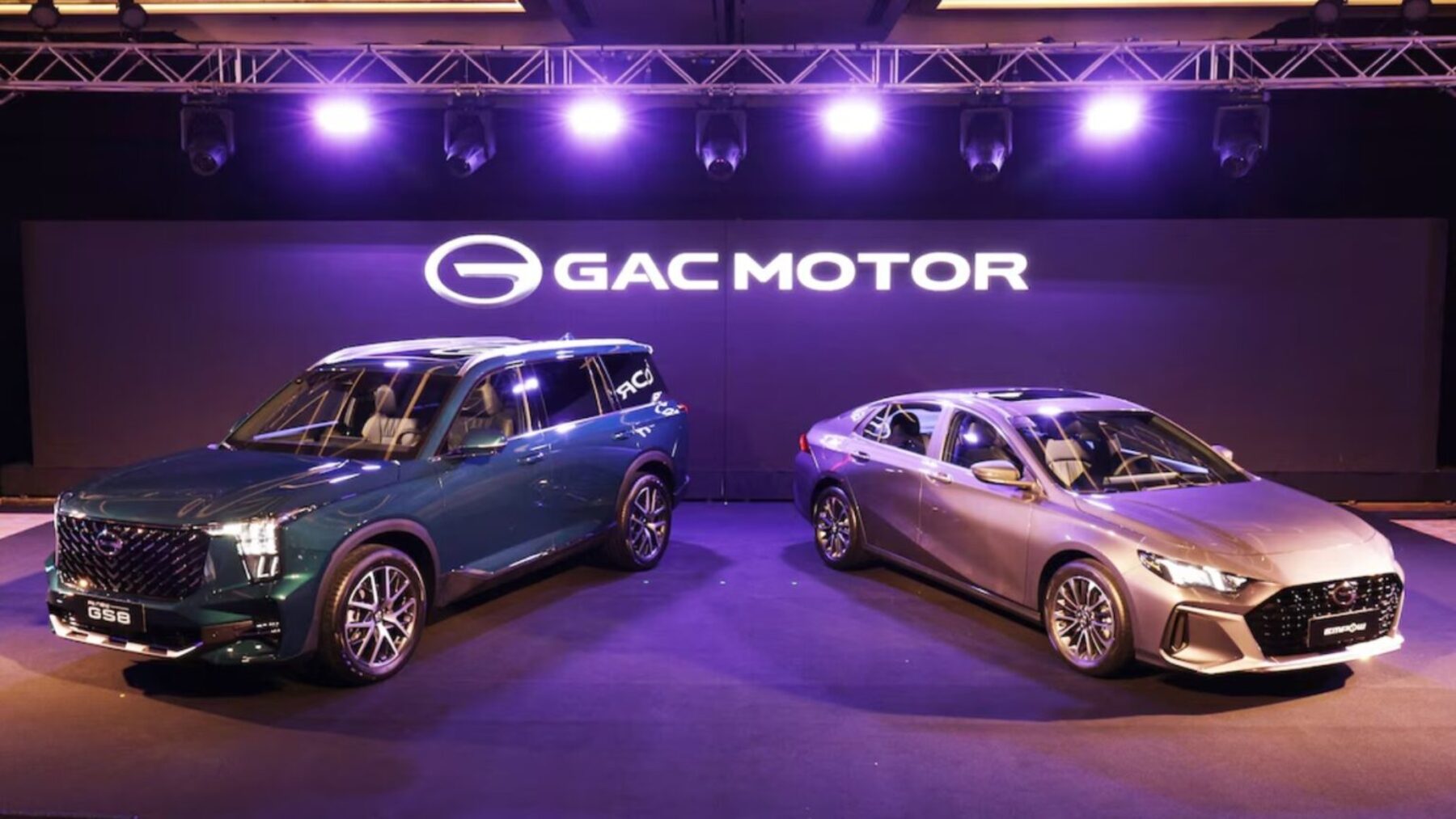
The automotive world continues to explore new alternative fuels with the goal of reducing pollution levels. Now, the Chinese state-owned Guangzhou Automobile Group Co. (GAC) has positioned itself as one of the innovators in this sector, developing an engine powered by ammonia. While ammonia is already used as a fuel in the shipping and road transport sectors, a passenger vehicle powered by this fuel would be the first of its kind.
What is ammonia?
Ammonia is a chemical compound of nitrogen and hydrogen, its formula is NH3. It is a gas with a very characteristic, strong, and unpleasant odor. The first thing that probably comes to mind is its use as a household cleaning product. Ammonia is produced naturally in the air, soil, water, and even in our bodies when protein-containing foods decompose. When we dissolve this gas in water, we obtain liquid ammonia. It can also be used as a fertilizer in agriculture, as a cosmetic product for hair dyes, and for the production of textile dyes or colors. It can also be used as a refrigerant in air conditioners, as it can absorb heat, and it can purify water, for example, for wastewater treatment.
Many citizens are already choosing to purchase an electric car
It’s true that the automotive sector has moved toward electric motors; this is now a reality. Today, even car rental companies, which market through various car manufacturers, have large fleets of electric cars. Mainly because some countries require a percentage of the use of this type of vehicle to comply with state-mandated zero-pollution emissions. Not to mention individuals. Many citizens are already choosing to purchase an electric car. First, because of the zero-pollution it entails, and second, to comply with government laws that, in many of the world’s major cities, already prohibit the entry of polluting vehicles into certain designated areas.
Asian car manufacturers have pioneered this technology
Hydrogen fuel engines are also part of this path to carbon neutrality. They have emerged as an alternative fuel source that can serve sectors where electric motors are currently not a suitable substitute, such as the aerospace industry and long-distance transport. Asian car manufacturers have pioneered this technology, creating a diverse range of models for consumers to choose from while also contributing knowledge and resources to other industry players. Fuel alternatives are now a reality.
Ammonia is a toxic substance, and using it safely can be difficult
Returning to ammonia fuel, while the idea is innovative, the automotive industry faces two significant challenges. On the one hand, ammonia is a toxic substance, and using it safely can be difficult. On the other hand, it is difficult to burn as a fuel source in a passenger vehicle, providing only one-third of the energy density of diesel.
The GAC engine, first introduced in 2023, features a 2.0-liter four-cylinder engine and, according to the information we have, produces approximately 161 hp with a 90% reduction in carbon emissions compared to conventional fuels. The relevance of this news is that it shows how it can indeed be viable to seek alternatives. Perhaps for everyday transportation, it won’t be the solution to pollution, but further research is the way forward. In this case, the use of ammonia may go in another direction, but if researchers prioritize the health of the planet in their decision-making, it will always be good news.
This substance could be a key factor in positioning the shipping industry as carbon-free
Ammonia could be a sustainable path for the maritime industry. Electric power, as we noted earlier, is already a reality in automobiles, but it cannot be implemented in ships, so ammonia could be a key factor in positioning the shipping industry as carbon-free. Research is ongoing, and the automotive industry continues to seek alternatives to evolve toward a safer fuel.