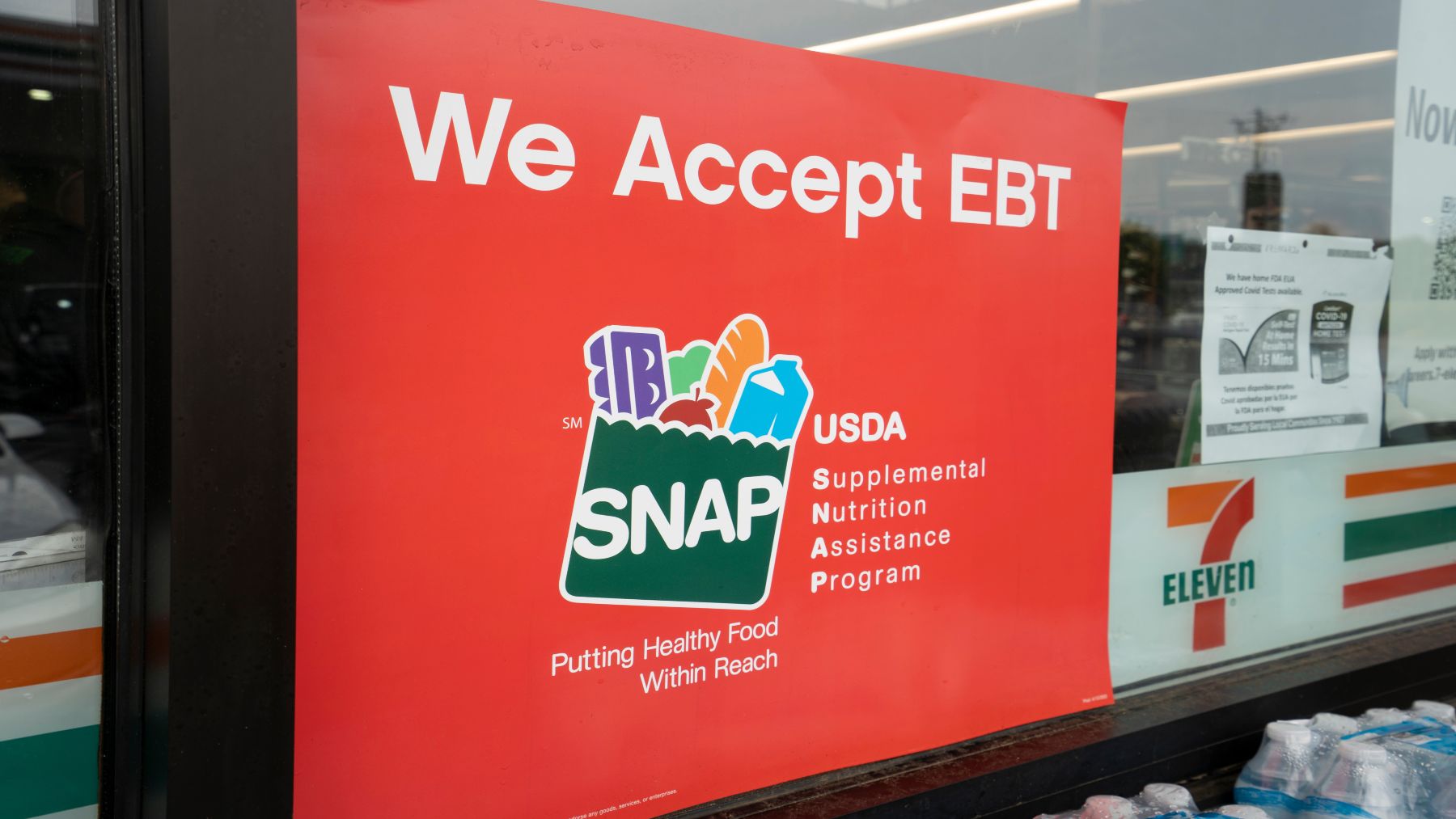
The Supplemental Nutrition Assistance Program (SNAP) is a food assistance program for low-income families. In July, the maximum income for this assistance is $536 for families of seven. Each month, SNAP recipients receive a cash deposit onto an electronic benefits transfer (EBT) card. These cards can be used to purchase food just like a debit card. Some 42 million Americans, living in 22 million households, use SNAP. So this news are quite relevant for a huge part of the citizens.
Who is eligible for the benefit: $15,060 or less for an individual or $30,000 for a family of four
To qualify for SNAP benefits, you must meet your state’s requirements and income limits. States also consider other factors, such as the amount of money you have in the bank, to determine eligibility. This includes almost anyone whose income is at or below the federal poverty line in a given year. In 2025, that figure is $15,060 or less for an individual or $30,000 for a family of four. Beyond these requirements, there are other circumstances under which you can apply for SNAP assistance. Green card holders and permanent residents must wait five years to receive this assistance. Refugees, asylum seekers, Cuban or Haitian nationals, and other groups who meet income requirements are also eligible for this benefit.
EBT card cannot be used for anything other than food
SNAP assistance can be used to purchase almost any food item sold in a supermarket. In fact, some states have attempted to introduce regulations governing the purchase of gas and candy with the EBT card. In any case, it cannot be used for anything other than food. It can be used at CVS, Walgreens, grocery stores, pharmacies that sell food, and even online orders from food-selling platforms.
On the other hand, if a family has had a relatively recent change in income, housing, or family composition, this situation can be reported and a case review requested. In some states, this can also be applied for supplemental benefits or vouchers for fresh produce at local markets. It’s important to check the official websites of your state of residence.
The monthly SNAP check is updated once a year. This update is based on the Food Price Index, so if inflation rises, the cap for large households is likely to rise slightly. Now, the bill pushed by the Trump administration returns to the House of Representatives.
The bill would raise the working age to 64
The bill passed by the Senate would make the path to eligibility more complicated for those eligible for this benefit. It would also reduce the amounts for those already eligible for these benefits. Until now, most people, except for parents with dependents, must remain in their jobs until age 54 to qualify for this assistance. The bill would raise the working age to 64, and would exclude only parents with children under 7. The exceptions added to the bill would partially protect Alaska and Hawaii from the changes.
As The New York Times points out, Republicans claim the program is poorly managed and discourages people from working; opponents of the bill say the proposed cuts would leave millions of adults and children hungry and burden states with new costs.
The situation regarding financial aid for the most needy is increasingly complex. Furthermore, this new bill would force states to assume part of the cost of benefits and penalize them for making erroneous payments. For now, if the interested party has not yet qualified for this aid, it is advisable to visit an office or obtain information from official sources.