
Apple will be forced to pay a Spanish company $110.7 million for breaching a patent. A federal jury in Delaware has found the telecommunications giant guilty of infringing a patent based on wireless communications technologies owned by TOT Power Control.
Apple will appeal the jury’s decision
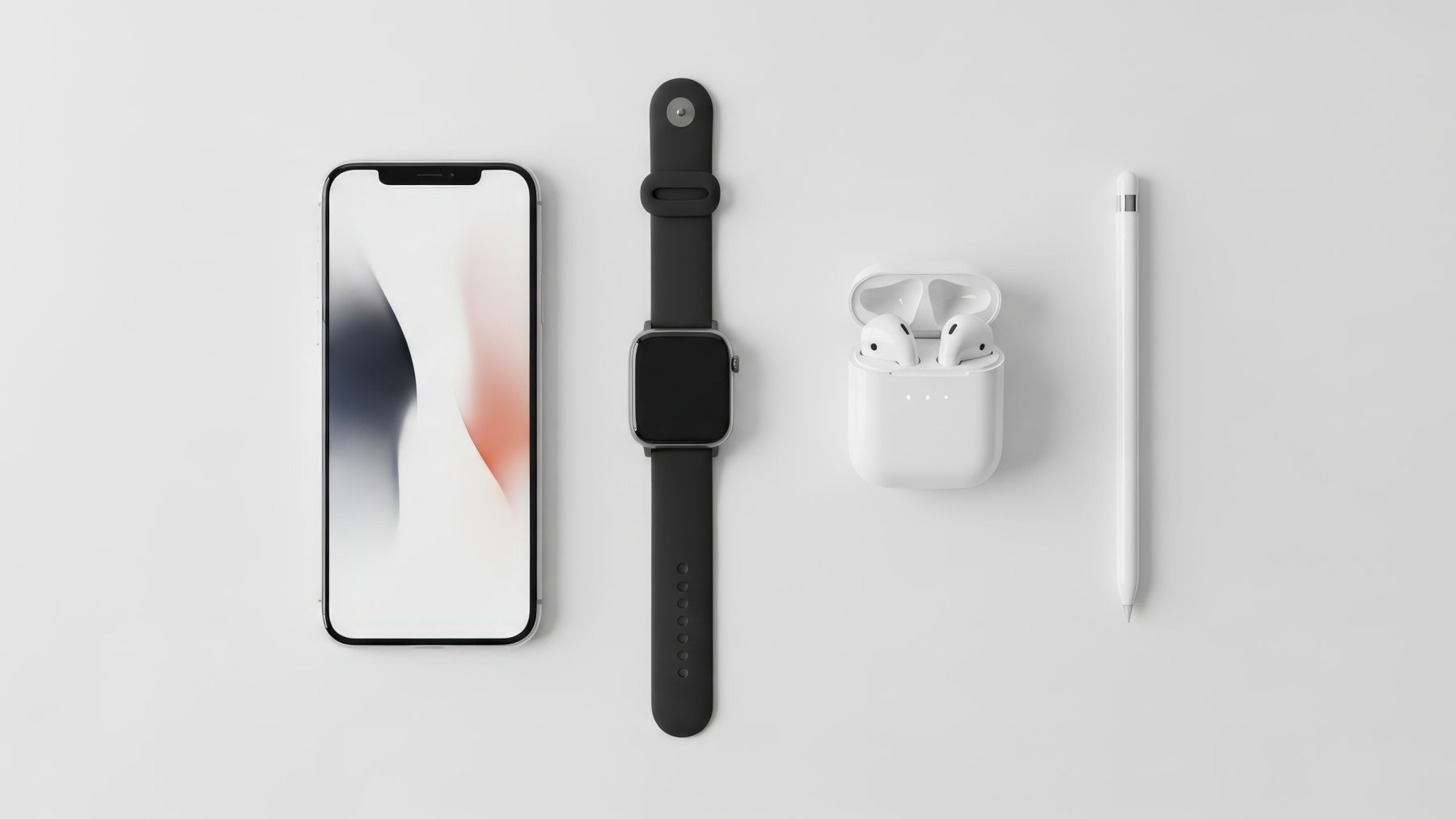
The wireless chips in Apple’s iPhones, iPads, and Apple Watches allegedly violated the patent rights of the Spanish company TOT Power Control on the technology used in the 3G wireless standard. Álvaro López-Medrano, TOT’s CEO and a Spanish engineer, founded TOT to manage “how power is used to respond to decreases and increases in the radio signal-to-interference ratio.” The entrepreneur recently said he is delighted that his technology has been validated by the Delaware jury.
The lawsuit dates back to 2021, when TOT Power Control, a Madrid-based company, sued Apple, accusing it of infringing its patents. Specifically, they argued that some of its devices included transmitters that used these patents. Apple has already counterargued that the patents were completely invalid and has warned that it will appeal the jury’s decision.
Masimo sued Apple for infringing the company’s use of up to five patents
This isn’t the first time something similar has happened to Apple. In 2021, Masimo sued Apple before the International Trade Commission (ITC) for infringing the company’s use of up to five patents related to blood oxygen measurement used by Apple in the Apple Watch. This option is one of the most distinguished of the brand’s smartwatches and, in fact, it’s the one that has brought problems to the communications giant. A judge at the United States International Trade Commission (USITC) ruled in favor of Masimo’s lawsuit alleging that Apple had used its patents for light sensors to measure blood oxygen saturation, as detailed by Reuters.
If the lawsuit went ahead, Apple risked having to recall devices that included the technology that measured blood oxygen, resulting in losses totaling millions. In fact, the situation led Apple to stop offering the ability to monitor blood oxygen levels for US users on the Apple Watch Series 9. The same would happen with the Apple Watch Series 10, still for US users.
It was concluded that Apple had only infringed one patent
“We respectfully disagree with today’s decision and look forward to a full review by the Commission,” Apple said in a statement. Ultimately, after the ITC’s investigation, it was concluded that Apple had only infringed one patent. In any case, the story didn’t end there.
A new lawsuit put the spotlight on Apple and Masimo. In this case, Apple sued Masimo for infringing patents on the design of the Apple Watch chargers. In this case, the ruling was in favor of Apple, and the compensation that Masimo should pay Apple was $250. This is an amount that Apple itself requested, although it may seem like a joke. With this lawsuit, the company wasn’t after money. According to the company’s legal team, the purpose of the lawsuit wasn’t to obtain money, but rather to prevent Masimo from copying its design and features.
In short, this case shows how even the largest companies are not immune from breaking the law. In this case, Apple is the one being questioned, but this is not the first, nor will it be the last, case of this nature.




