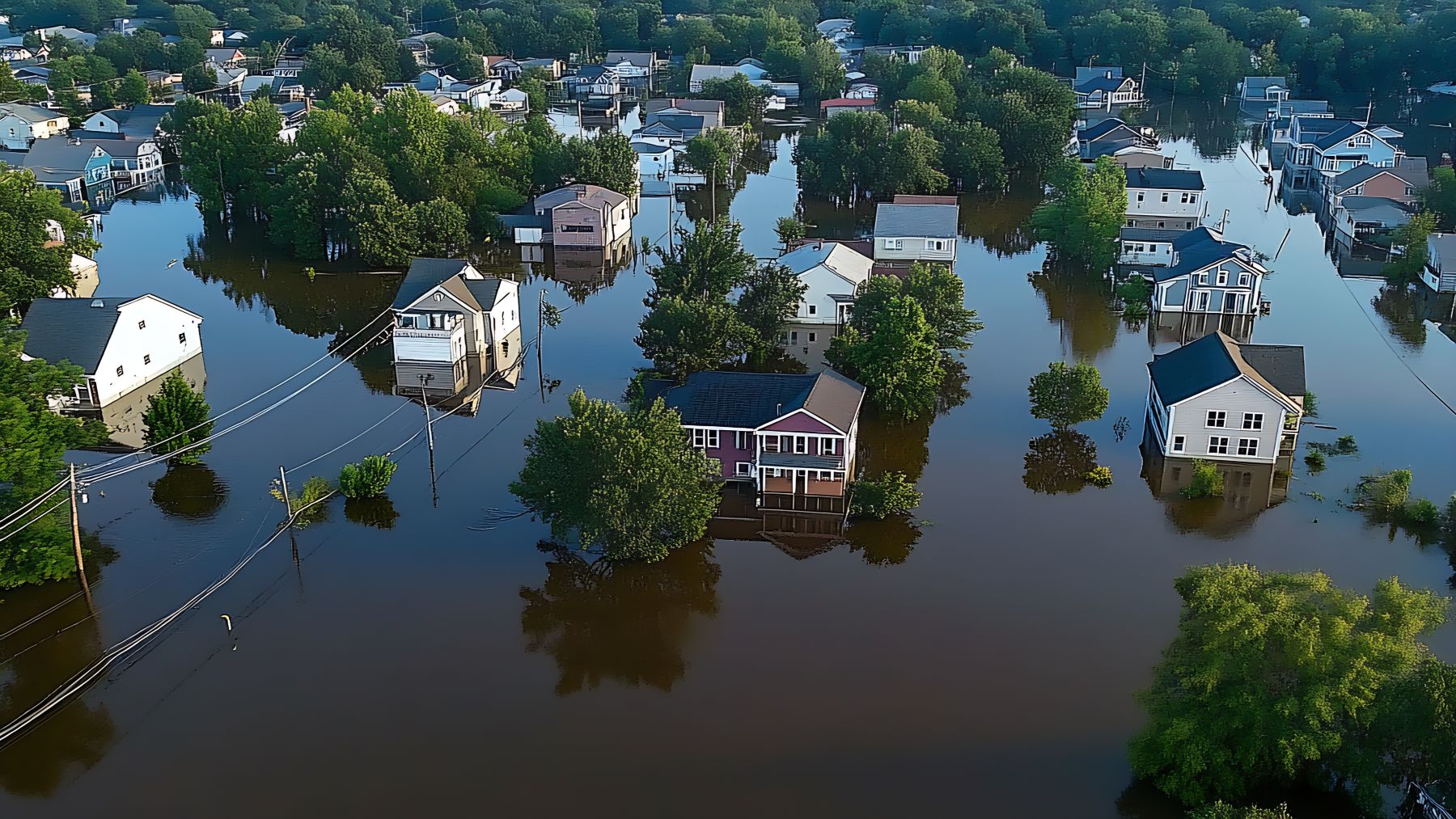
Climate change has led to an increasing number of natural phenomena caused by global warming. One of the main concerns in some coastal cities is flooding. In this regard, AI has identified nine cities or areas of the planet that could “disappear” beneath the sea. These cities are: Mar del Plata in Argentina; Floreanópolis, Santos, and Macaió in Brazil; Barranquilla and Cartagena in Colombia; Lima, Peru; Paramaribo, Suriname; and Georgetown, Guyana.
The scientific journal Nature Climate Change conducted a 2020 study, finding that nearly half of the world’s beaches could disappear by 2100 due to erosion. Climate Central’s Sea Level Rise Program has been monitoring these risks. Using the results they’ve collected over the past few years, they’ve created a map highlighting the places most at risk from the effects of climate change. Below is the map you can browse.
However, according to models from the Intergovernmental Panel on Climate Change (IPCC), the best-case scenario is between 11 inches and nearly 22 inches, if we can reduce carbon emissions and keep the temperature increase to 1.5°C by 2050. The worst-case scenario would be 6.5 feet by the end of the century.
Some cities with a potential for major flooding:
Mar del Plata, Argentina: Shrinking beaches have been a concern in this city. Sea levels in the province of Buenos Aires could rise by 40 to 80 centimeters by 2100.
Macaió, Brazil: This city is already facing several coastal problems due to erosion that has been reported since 2018.
Cartagena, Colombia: The risks of erosion, coastal flooding, and rising sea levels already experienced by Cartagena could increase over the years, according to the IA, placing it among the cities most at risk of disappearing within 200 years.
Barranquilla, Colombia: Reports of erosion are growing. AI predicts that this city will suffer severe flooding and intense rainfall that will raise sea levels and could wipe it out within 200 years.
Lima, Peru: Climate change has displaced more than 656,000 Peruvians, according to the Internal Displacement Monitoring Center. It’s worth noting that, according to the National Institute of Statistics and Informatics, 55.9% of the population lives on the coast.
The world we’re leaving behind will still be inhabited a hundred years from now
Although it may seem like there’s still a long way to go before this happens, it’s important to remember that the world we’re leaving behind will still be inhabited a hundred years from now (if everything continues as normal), so trying to leave the best possible footprint should be a priority. Those who inhabited the planet a hundred or two hundred years ago may not have thought about us or what would happen in 2025, but here we are. Humans are already suffering the ravages of the misuse of Planet Earth’s limited energy, and it’s true that policies are being developed to help improve the planet’s health, but nothing will be enough if we don’t raise awareness.
Recycling, using water responsibly at home, avoiding over-processed foods, reducing car usage, and opting for less polluting modes of transportation… These are some of the changes we can make in our daily lives that the planet, and the people of the future, will appreciate.