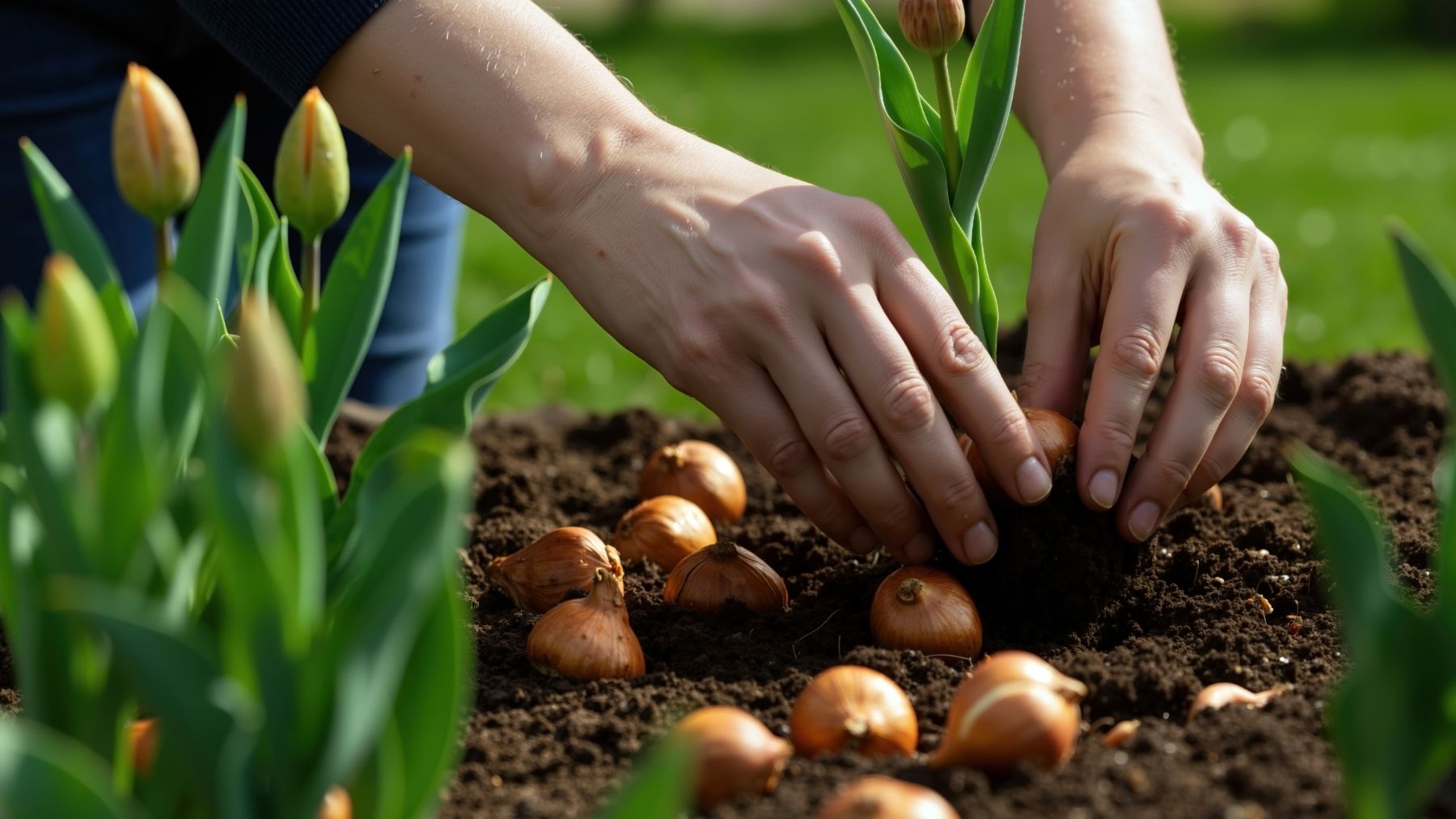
Climate change and a number of circumstances have led people to wonder what would happen if certain resources were depleted, and what human survival would be like. A recent study from the University of Otago, New Zealand, concluded that certain foods are essential for survival. Spinach and beets are two of those foods that best withstand extreme temperatures and do not depend on direct sunlight.
A nuclear winter with low temperatures would have a devastating impact on crops around the world, but spinach and beets have a greater tolerance to adverse conditions. Aside from this, these plants offer a good amount of nutrients and are relatively easy to grow. Their ability to grow in less fertile soils makes them a viable option in situations where resources are limited.
The best food to grow would be peas
Scientists considered different scenarios. For example, if humans had to survive in infertile soil or in a city. In that case, the best food to grow would be peas. This crop has proven to be one of the most efficient crops in an urban environment under normal conditions. Peas require only 292 square meters of land to feed one person for an entire year, making them an ideal choice for areas where space is limited.
What you can grow whether your home is in New York or Texas
On the other hand, wheat and carrots are two foods that provide many nutrients, and their cultivation could also thrive in extreme temperatures. A mixture of 97% wheat and 3% carrots was found to be the most efficient for these types of scenarios. Wheat, being a cereal crop, provides a large amount of carbohydrates, while carrots provide essential vitamins and minerals. The study, led by Matt Boyd, has yielded very interesting results for those considering starting their own garden at home, whether your home is in New York or Texas.
The blackout in Spain that scared people
If we stick to history, a recent event caused many people to rush to supermarkets to buy canned goods and have food just in case. This was during the blackout that hit Spain. It became known around the world that a failure in the country’s electrical system left millions of citizens without power for more than 12 hours. It wasn’t just the lack of electricity at home; it was the fact that citizens were completely cut off from communication.
The blackout had consequences such as people being unable to cook their own food because household appliances depend on electricity, mobile phones being unable to charge, telecommunications being down so calls couldn’t be made, there was no internet access, street traffic lights not working, shop doors unable to close… Many people went to supermarkets to buy water, toilet paper, food to stock up on, anti-blackout kits… All of this happened mainly out of fear of running out of food supplies.
This research is, actually, no coincidence
Given this and the lessons learned from the pandemic, it’s no surprise that many people are considering growing crops at home. Studies have already emerged showing how, in many countries, citizens are choosing to buy properties on the outskirts of cities, renovating old houses. People increasingly want to be in touch with nature, consume more natural products, and be more self-sufficient, so this research is no coincidence.