The United States is a tremendously vast country, where the roads can sometimes seem endless. Perfect road conditions are one of the excuses some drivers use to explain their excessive speed. U.S. authorities enforce speed limit laws to prevent accidents. The states with the strictest laws are Florida, Georgia, California, and New York.
Super Speeder Law: imposes fines of up to $500 and 30 days in jail for first-time offenders
In states like Florida, regulations have recently been tightened. According to official traffic figures, there were more than 1,200 traffic fatalities in Florida during the first half of 2025, and over 3,100 people lost their lives on the road last year. Speeding was often the culprit, and authorities have decided to take radical measures to try to solve the problem.
For this reason, the Super Speeder Law went into effect in Florida on July 1. This new law imposes fines of up to $500 and 30 days in jail for first-time offenders. For repeat offenders, the penalties increase to a $1,000 fine and 90 days in jail.
Virginia will require repeat offenders to install a speed limiter starting in July 2026
Virginia is another state that has recently taken measures on its roads, especially targeting repeat offenders. In this state’s case, Virginia will require repeat offenders to install a speed limiter starting in July 2026. Judges will have the authority to require drivers with a history of serious or persistent speeding to have these devices installed in their vehicles.
On the other hand, in Georgia, the base fine is $125, but the fine can reach $223 for a “Super Speeding” violation, adding two points to the driving record. Remember that the point system adds negative points each time traffic violations are committed. If too many are accumulated, your driver’s license can be revoked.
Arizona, Texas,California, NY or Hawai have various laws
In Arizona, the violation costs $251 and can add up to three points to your driving record, with the risk of license suspension if you accumulate eight or more points in a year. In Texas, fines range from $226 to $300, reaching $284 in posted zones and $414 in construction zones; the base fine for speeding 15 mph is $245.
On the other hand, in New York, the fine can range from $90 to $300, but going over the limit by 15 mph typically carries a $230 fine, plus a surcharge of up to $93 and four points. North Carolina charges $218 for going 15 mph faster, considering it a Class 3 misdemeanor, which can lead to license suspension or jail time depending on the area. And on the other coast, California imposes up to $234 for going over 15 mph and points for repeat offenses, in addition to having automatic cameras monitoring the streets.
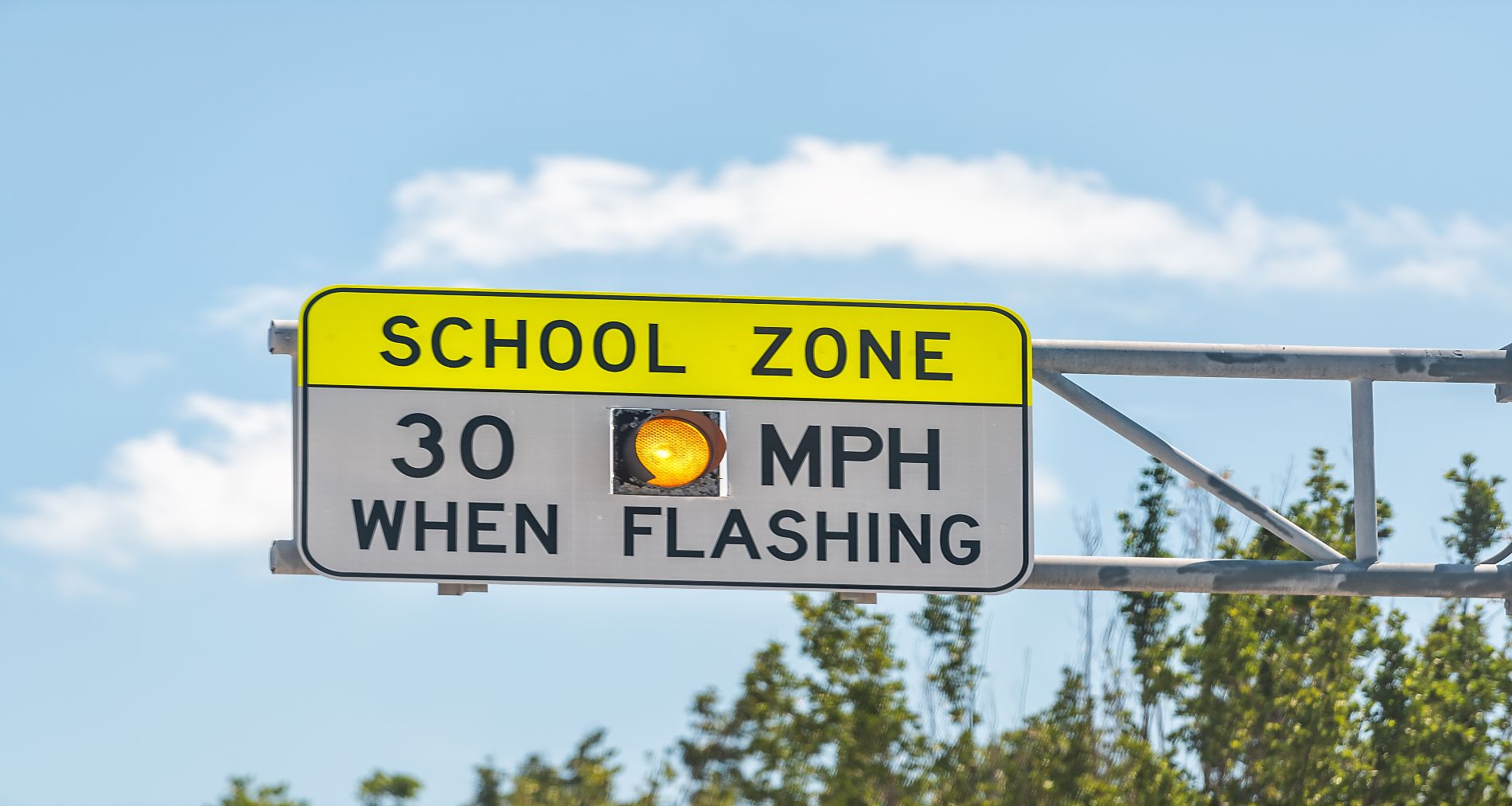
In Hawaii, for example, exceeding the speed limit by 15 mph means paying $197, and in school zones, the figure can reach $250 plus a $10 surcharge for every additional 10 mph.
Finally, let’s remember that Washington state has a new law regarding driver’s license renewal. In the United States, drivers can renew their license online until the age of 70; after that, they must go to an official center. The driver’s license will not be based on age, but rather on a person’s abilities. This is intended to avoid age discrimination.