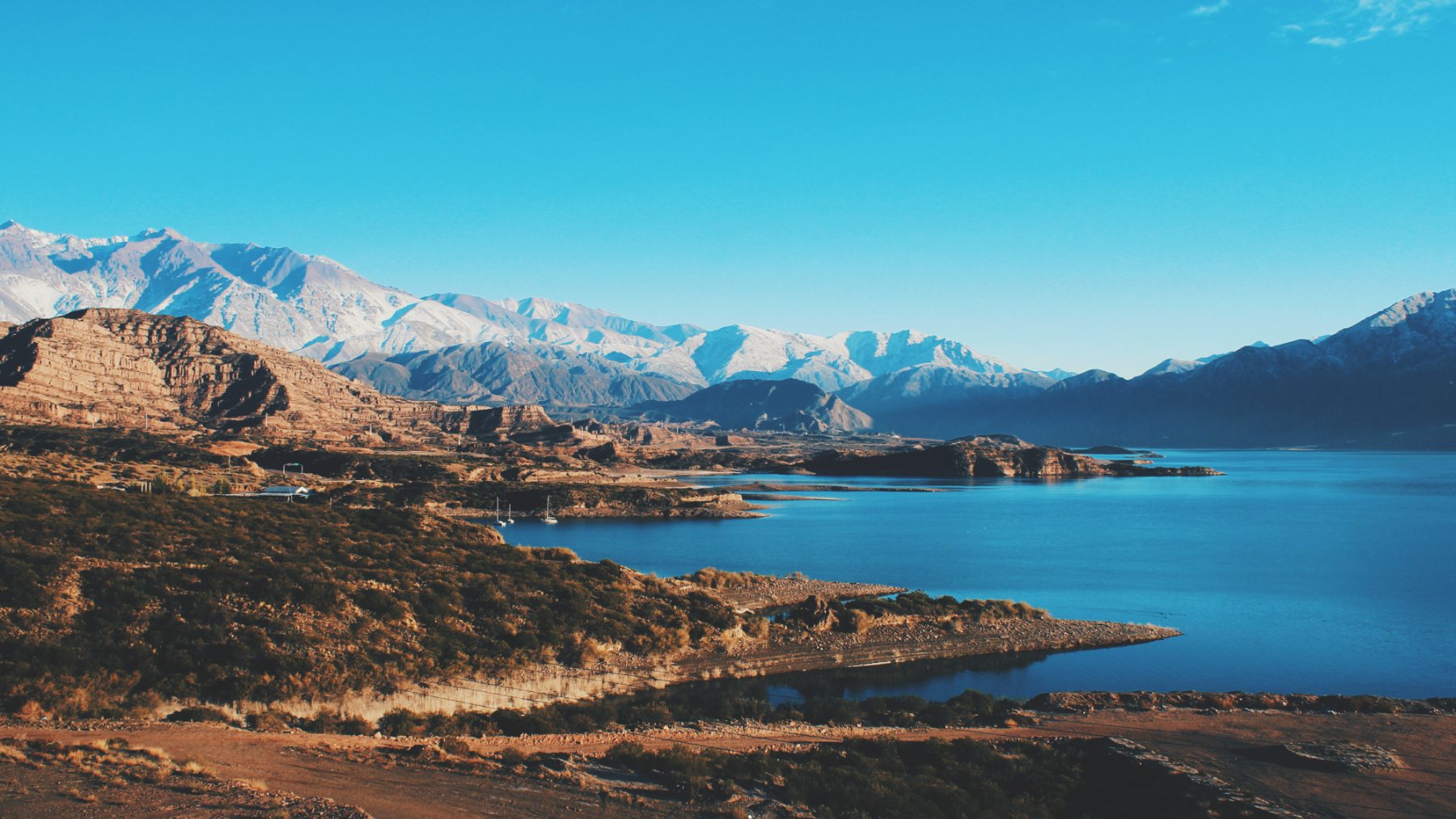
Soccer fame rarely ends in a blaze of wood smoke and starlight, yet that is exactly where Juan Carlos Falcón finds himself twelve years after hanging up his boots. The former Vélez Sarsfield midfielder, once urged on by Marcelo Bielsa’s relentless whistle, now starts his mornings with the softer crackle of lenga logs outside Potrerillos, a high‑valley hamlet an hour from Mendoza city.
Back in 1998, Falcón’s pressing and passing helped Vélez lift Argentina’s Clausura title. Soccer was everything: packed away games, Mexican stints with Querétaro and Atlante, a first‑division goal for Racing in the Avellaneda clásico, and the grind that finally ended in 2014 with Douglas Haig. “Leaving wasn’t hard”, he says today. “I wanted freedom”.
Retiring to the Argentinian Andes
Freedom began as an empty hectare above the Potrerillos reservoir. The land was nothing but scrub and stone, but the silence sold him. Falcón, his wife Jorgelina and his father started carrying bricks, pouring concrete and learning by doing: “Here you grab the shovel and learn”. Three timber‑and‑stone cabins rose in stages, each framing snow‑tipped peaks. They named the place Cabañas Falcón (“Falcón Cabins”) and opened the doors to week‑end hikers and Chilean road‑trippers looking for clear skies.
A normal day now starts well before the tourists stir. Falcón splits kindling behind the sheds, checks the solar panels that top up the batteries and then lights the parrilla for a slow‑smoked rack of pork ribs.
Breakfast might wait until noon —mountain time is flexible. By mid‑afternoon he is recommending kayak rentals or a hike to the El Salto waterfalls. At dusk he walks the path between cabins, greeting guests by name, a habit rooted in Bielsa’s insistence on knowing every teammate’s quirks. Discipline, he says, never expires; it just switches objectives.
The wage slip certainly changed. In the locker‑room days, cash rained every month; now revenue rises and falls with snowfall and school breaks. But the payoff is measured in hours, not Argentinian pesos. Instead of video analysis, he has condors gliding across the reservoir and the time to watch them. “Quality of life”, he repeats, as if it were a tactic drawn on a chalkboard.
Other athletes in touch with Nature
Falcón is not alone in swapping stadium tunnels for rural tracks. Spain’s World Cup hero Andrés Iniesta returned his tiny homevillage Fuentealbilla, population 1,800, and runs Bodega Iniesta with vines spread across sun‑bleached hillsides. Visitors often spot the midfielder pouring tastings in the cellar between trips back to Japan and the UAE.
Farther east, Japanese icon Hidetoshi Nakata plunged into country roads after quitting at 29. He has visited over 450 breweries, earned a sake‑master certificate, and heads the Japan Craft Sake Company. Soccer gave him global reach; rural fermentation gave him purpose.
Surf culture delivers its own example: big‑wave pioneer Laird Hamilton and Olympic volleyball alumna Gabby Reece built a hillside compound on Kauai. Hamilton pours concrete himself, keeping fit for the next winter swell, while Reece runs free community workouts in the barn‑gym. Mountains, rivers and surf now dictate their calendar.
Patterns emerge. Each athlete swapped instant adulation for slower, tactile work: vines pruned by hand, sake casks rolled in cool cellars, cabins swept clean after checkout. They also swapped guaranteed income for seasonal flux, betting that peace and autonomy outweigh a match‑day rush.
Sunset at Potrerillos
Night settles over Potrerillos. The reservoir mirrors a quilt of Southern‑Hemisphere constellations and the smell of embers drifts through the crisp air.
Falcón slides a final log into the firepit, trading a nod with a couple from Santiago who booked the lofted cabin. Tomorrow he will rise early, soccer memories intact but distant, and greet the day like any seasoned mountain host—with a shovel in one hand and a smile that says the trophy cabinet may sit hundreds of kilometres away, yet the victory feels fresh every morning.