
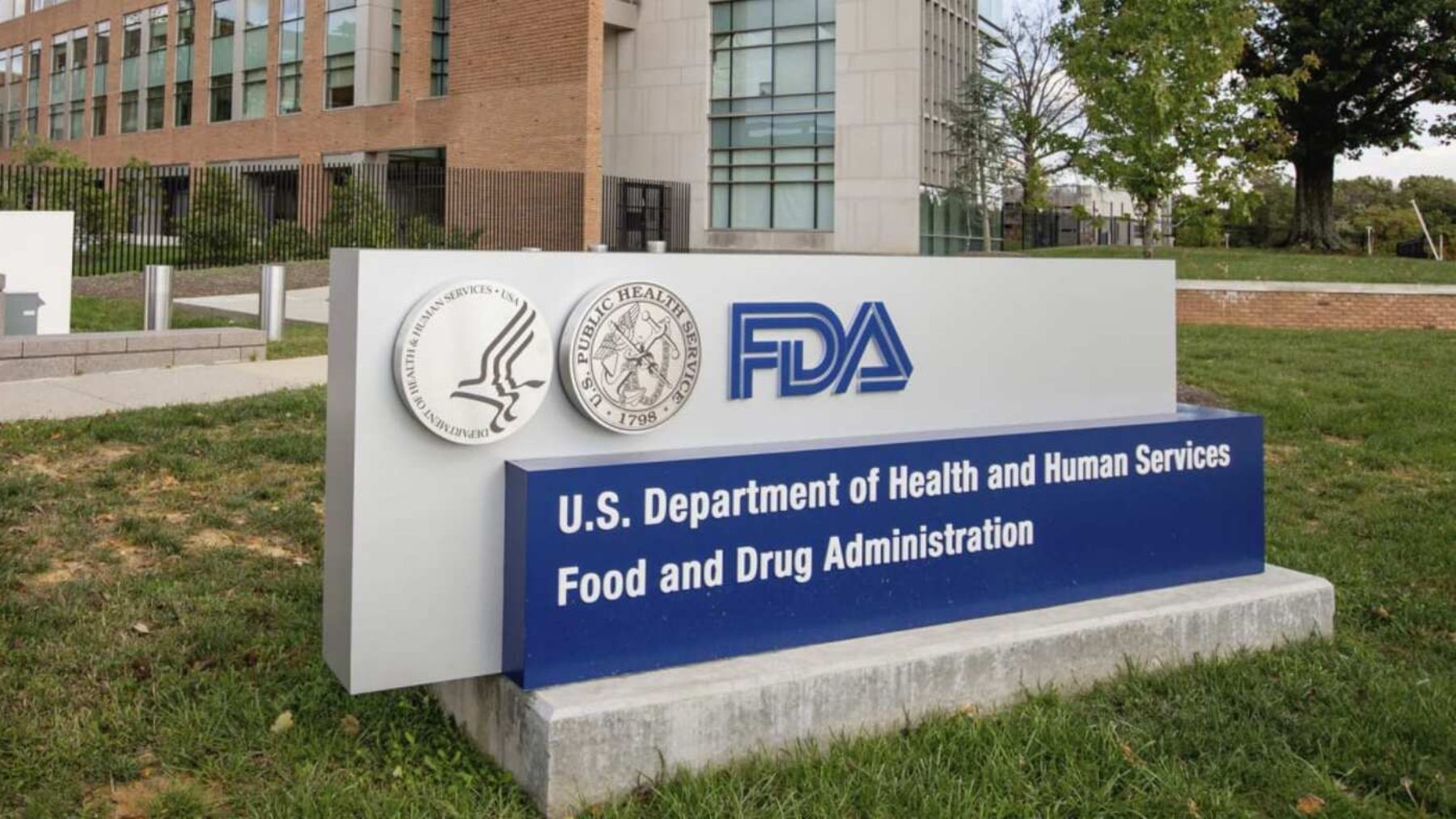
Substantial changes are coming to the shelves at Costco, Walmart, and Target. The U.S. Food and Drug Administration (FDA) will begin regulating which foods are considered healthy and which are not. This includes labeling, ingredients, environmental impact of the process, and so on. This impacts the way food is presented to consumers and, of course, the price offered. Remember that there are certain foods and products sold in the United States or other Latin American countries but are not permitted in the European Union.
Seeks to offer greater transparency to consumers regarding the nutritional value of products
This new regulation seeks to offer greater transparency to consumers regarding the nutritional value of products. However, it warns about the operational impact this will have on these large retail chains when making changes to packaging, canopies, advertising, etc. Among the criteria to be established are the following:
– Presence of essential food groups: Products must contain minimum amounts of foods such as fruits, vegetables, whole grains, lean proteins, or low-fat dairy.
– Strict limits on sodium, added sugars, and saturated fats: Foods that could previously be considered healthy, such as sugary yogurts or highly sweetened cereals, will no longer qualify under the new definition.
– Consideration of environmental impact: Although not a direct labeling requirement, manufacturers are encouraged to detail the origin and production process of ingredients to encourage more sustainable practices.
It is an opportunity to reposition products that were previously excluded from this category
Although the use of the “healthy” label is optional, those who choose to do so must ensure that their products meet the new requirements. The change not only implies a refinement of what can be sold with healthy marketing, but also an opportunity to reposition products that were previously excluded from this category. This measure has been implemented for both national brands and private labels that are already recognized by consumers.
Manufacturers will be able to begin using the updated criteria starting in 2025, but will have a three-year period, until 2028, to implement the changes in all their products. During this time, companies will have time to reformulate products to meet the nutritional criteria. They will be able to change packaging and labels; review marketing campaigns to align with the new regulations; and train staff on how to properly identify and classify healthy foods according to the law. Large retailers have work to do; Costco, Walmart, and Target are the largest sellers in this sector, so they will have to adjust their schedules and begin making the modifications to meet the deadline.
Foods considered snacks will be disadvantaged by the new regulations
There are foods that will benefit from the new regulations, such as eggs, seeds, salmon, and other white and blue fish… These are products that are considered healthy due to their composition, although their environmental footprint should be taken into account.
Meanwhile, other foods considered snacks will be disadvantaged by the new regulations. “Energy” bars, yogurts, milks, “natural” juices (which we understand are difficult to claim as natural if they come in a container and aren’t freshly squeezed), and a host of other products, will not enjoy the benefits of the “healthy” label.
Obesity remains one of the leading health problems in American society, so these types of regulations can help citizens better understand food labels and differentiate what is truly healthy from what is not. According to the FDA, this reform seeks to empower consumers and reduce the incidence of diet-related diseases, such as obesity, type 2 diabetes, and cardiovascular disease. “It is critical to the future of our country that food be a vehicle for well-being,” said FDA Commissioner Robert Califf.




