
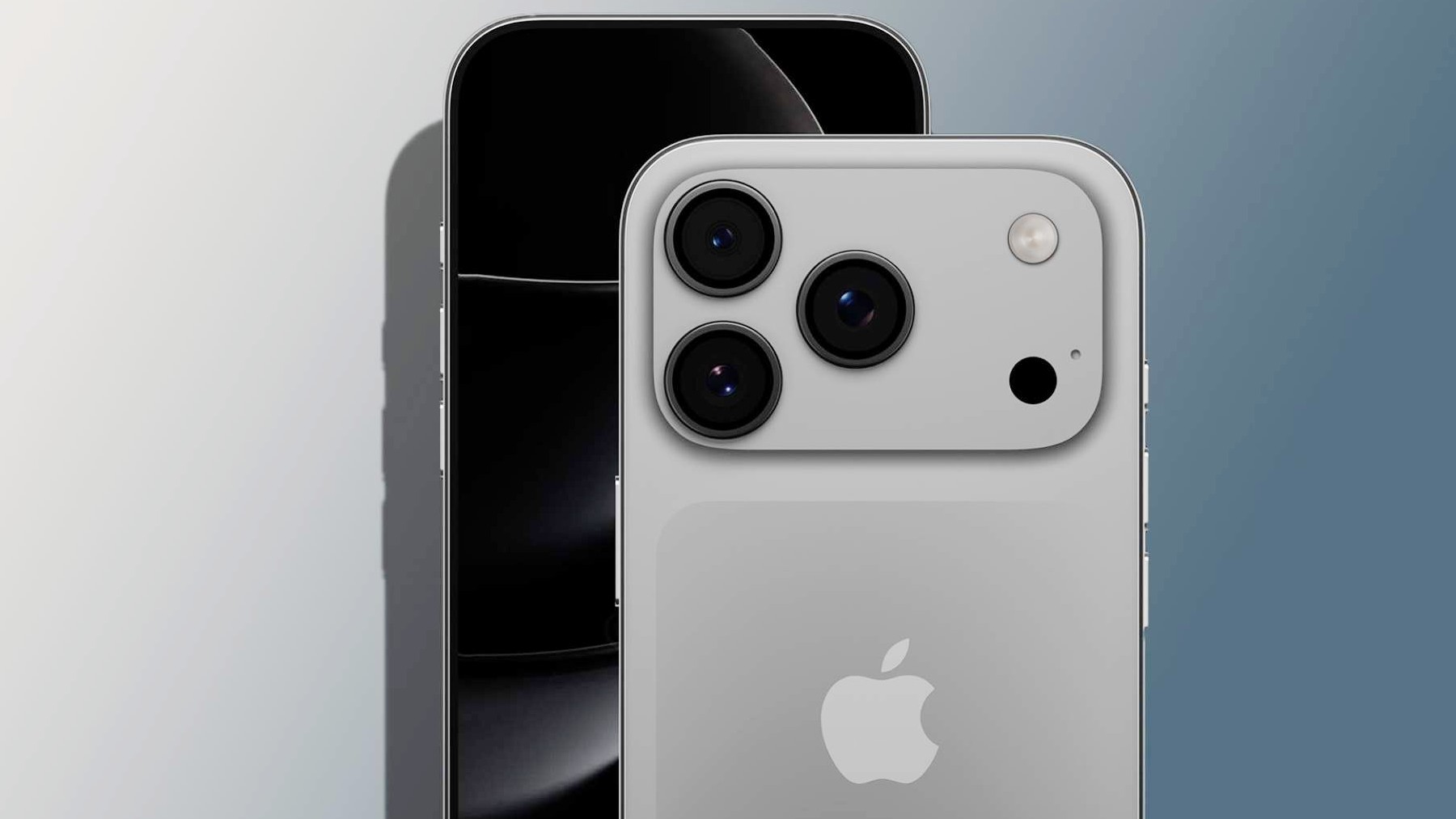
The image of Tim Cook at the White House this week has been making headlines around the world. Corning, the company responsible for the tempered glass used in iPhones, iPads, and other products, will manufacture this component only in the United States. Tim Cook flew from California to Washington to present an ambitious investment plan to the president. The iPhone will become increasingly American.
Corning: the company has been the official supplier of the tempered glass that more than half the population carries
Corning and Apple forged a partnership to cover the first iPhone’s screen with an experimental tempered glass. It was called Chemcor, which Corning created in 1960 and failed to make commercially viable. Since then, the company has been the official supplier of the tempered glass that more than half the population carries in their pockets.
With the goal of trying to ensure that all manufacturing is done in the United States, this is a major step forward not only for Apple as a company, but also for the Donald Trump administration. Tim Cook has said on other occasions that it would be impossible to manufacture the iPhone entirely in the United States, which is precisely what Donald Trump is demanding, but he has been making small concessions.
Tim Cook: “Any Apple customer will be holding precision-crafted glass made right here in Kentucky”
“Any customer anywhere in the world who buys a new iPhone or Apple Watch will be holding precision-crafted glass made right here in Kentucky. Thanks to the power of American manufacturing,” said Tim Cook from the White House, at the unveiling of the new 100 percent American-made glass.
To understand Apple’s tempered glass revolution, we have to go back to 2007 and remember that mobile phones as we know them wouldn’t be possible without Steve Jobs. Before Jobs, phones didn’t typically have glass screens: they were made of plastic.
What will the iPhone creation and packaging process be like?
Corning will manufacture all tempered glass for Apple devices at its factory in Kentucky, United States. This means that the glass will have to be exported to Asia, primarily India, to be assembled into iPhones, iPads, and Apple Watches. Apple will then import the finished iPhone to the United States. In less than six months, Corning achieved the seemingly impossible: producing scratch-resistant glass that had never before been manufactured on such a scale and with such precision.
After 18 years, Apple will invest $2.5 billion to make this ambition a reality
Although, for practical purposes, the tempered glass used in devices is a tiny piece compared to other materials, which are primarily manufactured in China, this is a major step. After 18 years, Apple will invest $2.5 billion to make this ambition a reality. Corning will fully dedicate its Kentucky facility to Apple manufacturing, increase its local workforce by 50%, and create an Apple-Corning Innovation Center that will develop advanced materials for next-generation iPhones and Apple Watches.
Corning was the company that manufactured the glass bulb used in Thomas A. Edison’s light bulbs
This is a change that will be reflected in the next devices presented by the telephone giant. And let’s remember that, although most people don’t recognize it, Corning was the company that manufactured the glass bulb used in Thomas A. Edison’s light bulbs, designed and manufactured the glass that protected the headlights of the first combustion-engine cars, and is responsible for the tempered glass protection on our smartphone screens. So we can say that the story goes back to the last century. Although we now use this technology in our daily lives, it’s a company whose creations have been with us for decades.




