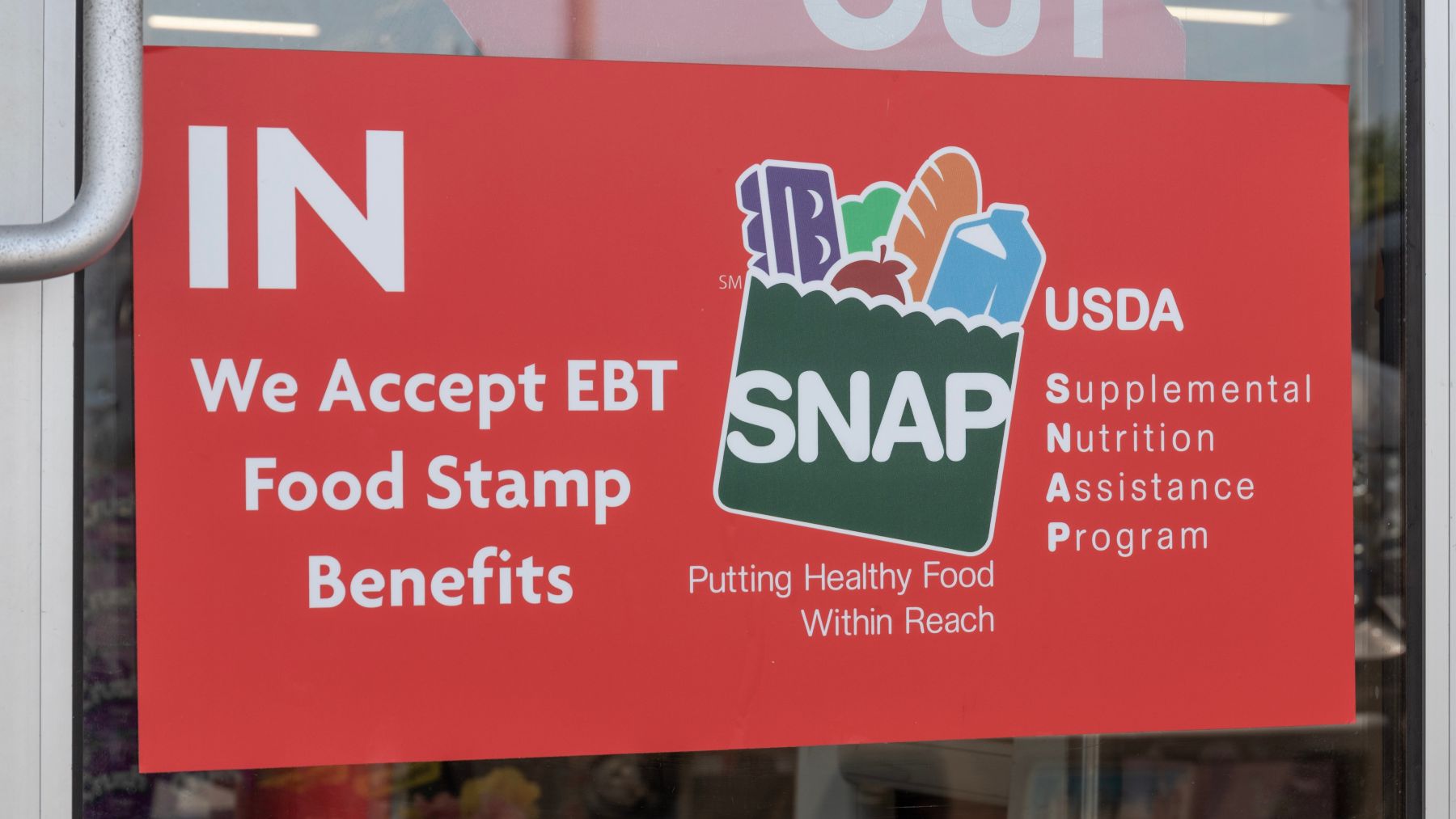
“Make America Healthy Again” has been the starting point for the USDA to introduce new SNAP (Supplemental Nutrition Assistance Program) waivers. These will affect Florida, Texas, and Kentucky. Brooke L. Rollins and Robert F. Kennedy Jr. have supported the measure and seek to reduce the consumption of sugar and sugary drinks. This action will mark a turning point in the health of American citizens and a starting point for combating health problems. Read on to learn more.
New restrictions on certain foods
Starting in 2026, millions of Supplemental Nutrition Assistance Program (SNAP) recipients in 12 US states will face new restrictions on what foods they can purchase with their benefits. The measure, approved by the U.S. Department of Agriculture (USDA), seeks to limit the use of public funds on products considered unhealthy, such as soft drinks, candy, and processed snacks.
What will change with the new rules
The states that will apply the exemptions are Arkansas, Colorado, Florida, Idaho, Indiana, Iowa, Louisiana, Nebraska, Oklahoma, Texas, Utah, and West Virginia. All will prohibit the use of SNAP benefits to purchase sugary drinks, while some, such as Florida and Louisiana, will also include energy drinks and candy. Arkansas will go further, banning fruit and vegetable juices with less than 50% natural content.
According to USDA Secretary Brooke Rollins, 20% of SNAP dollars are currently spent on sugary drinks, packaged desserts, salty snacks, and other high-sugar products.
“SNAP is designed to help low-income families purchase nutritious foods that are essential for health and well-being. One way to address health issues in the US is to not allow taxpayer-funded benefits to be used to purchase soft drinks, candy, and junk food,” Rollins said.
Support from state and federal governments
Secretary of Health and Human Services Robert F. Kennedy Jr. backed the measure, saying that these exemptions help put real food at the center of the program and empower states to lead the way in protecting public health.
In Colorado, Governor Jared Polis noted that although his state has the lowest obesity rate in the country (24.9%), this figure is still high:
“This exemption is a big step toward reducing obesity, diabetes, and tooth decay.”
Oklahoma Governor Kevin Stitt added, “It’s common sense that taxpayer money shouldn’t pay for foods that make us sick.”
Criticism and skepticism
Not everyone is convinced that restrictions will improve beneficiaries’ diets. Professor Christopher Bosso of Northeastern University argued that low-income families could continue to buy soft drinks and junk food with other funds, without achieving any real change in their eating habits.
Before and after the exemptions
Until now, the SNAP program only prohibited the use of benefits for alcohol, tobacco, hot or prepared meals, and personal care items.
With the new exemptions, the list is expanded in some states to include sugary drinks, candy, and processed snacks, marking a significant change in food assistance policy.
Why it matters
Since President Donald Trump’s administration began in January, 12 U.S. states have previously moved to ban unhealthy foods and drinks from being bought using SNAP benefits. Such rule changes, known as waivers, need to be approved by the U.S. Department of Agriculture (USDA), which oversees the program.
Supporters of restricting SNAP purchases argue that removing unhealthy foods from the program will lead to better health outcomes, and the push to limit what can be bought has been spearheaded by the Make America Healthy Again (MAHA) movement. However, critics contend it dictates how low-income Americans eat and ignores broader issues around access to affordable, nutritious food.