
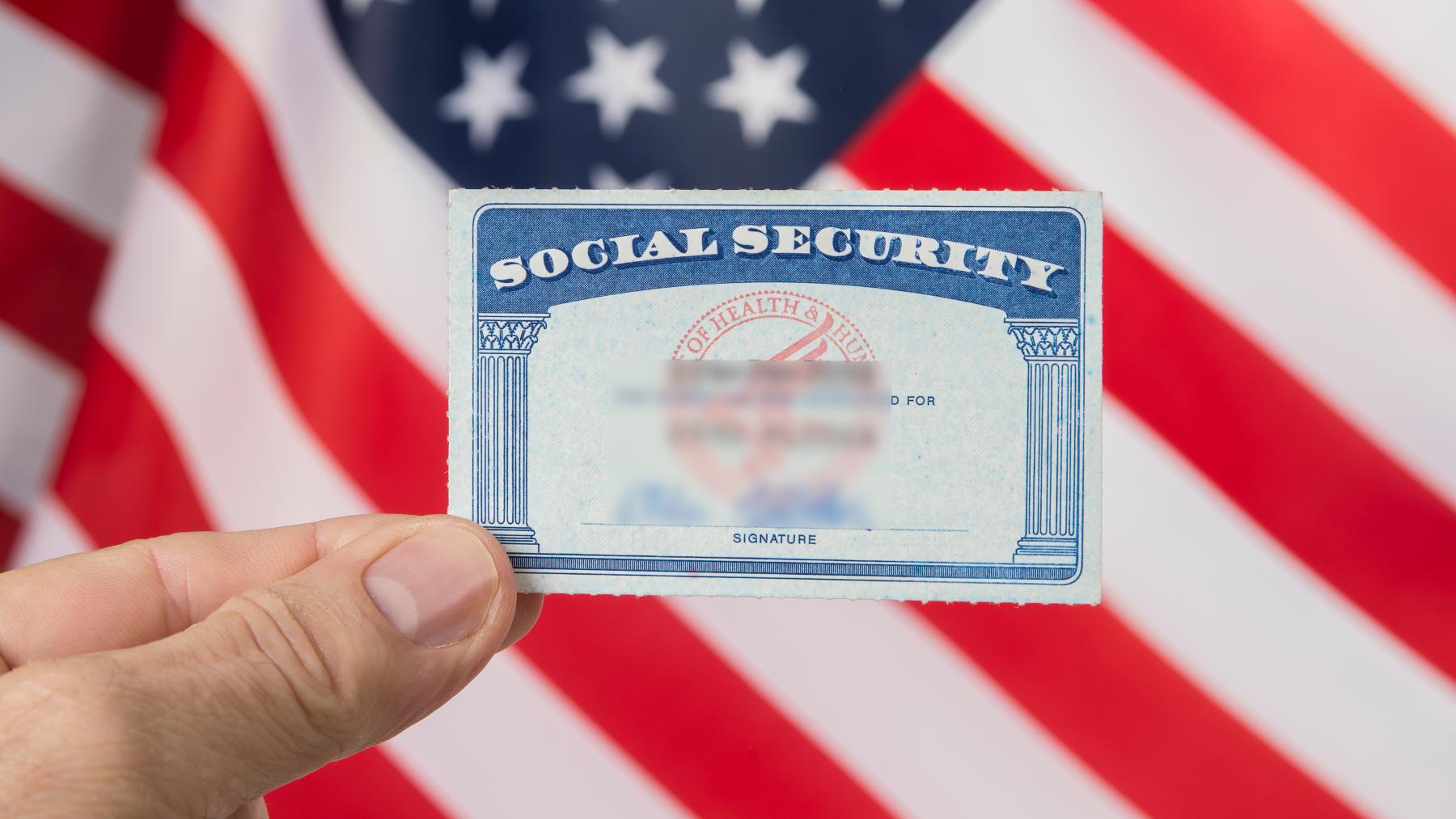
As we’ve been reporting, the Social Security Administration (SSA) is making its transition to the digital age. The goal is to make things easier for users. Although the change is expected to be exponential, it appears the SSA has reversed course on continuing to send paper checks. For now, according to the recent statement, checks will continue to be sent until September 30.
The SSA indicated that beneficiaries who received paper checks must choose one of two options
The SSA later confirmed the change in position in an email to the Kiplinger Seniors Association, but said it would “continue to reduce” the number of Social Security beneficiaries who still receive their payment by paper check. The change is clearly drastic, especially considering that many beneficiaries lack the resources to make the arrangements immediately.
In a recent publication, the SSA indicated that beneficiaries who received paper checks must choose one of two options: either receive their payments electronically via direct deposit; or, if they don’t have a bank account, receive them on a prepaid debit card known as Direct Express.
“The Treasury Department is committed to raising awareness about the growing fraud risks associated with paper checks”
“Paper checks are increasingly a gateway to fraud. The Treasury Department is committed to raising awareness about the growing fraud risks associated with paper checks and providing Americans with the knowledge and tools to combat financial fraud and make informed financial decisions,” the Treasury Department said in a statement.
The announcement came after President Donald Trump signed an executive order in late March directing the federal government to stop sending paper checks “for all disbursements.” In July, Senator Elizabeth Warren—who serves on the Senate Select Committee on Aging and the Senate Finance Subcommittee on Social Security, Pensions, and Family Policy—said in a call with reporters that she had met with Social Security Commissioner Frank Bisignano and said he had agreed to allow some exceptions to the new policy.
“The elimination of paper checks “would significantly disrupt services for some of the most vulnerable Americans”
“His plan is to start with people who do have checking accounts, but he’s committed that no one will be left behind, and people who still need access to paper checks will have that access to paper checks,” Warren told reporters regarding Bisignano’s moves, adding: The elimination of paper checks “would significantly disrupt services for some of the most vulnerable Americans,” she added.
The SSA, whose benefit programs include retirement benefits, disability insurance, and survivors’ benefits, offers its beneficiaries two electronic payment options: direct deposit, where beneficiaries can receive their money by direct deposit by providing the agency with their bank information. Alternatively, Social Security beneficiaries can load their benefits onto the Direct Express Card, a federal debit card for people without a bank account.
Important to note that exemptions are granted in exceptional circumstances
In any case, it is important to note that exemptions are granted in exceptional circumstances. Only three of these circumstances are listed: if “electronic payments pose a hardship due to a mental disability,” if the beneficiary “lives in a remote geographical area that lacks the necessary infrastructure to conduct electronic financial transactions,” and if the beneficiary is 90 years of age or older.
Therefore, it is important to seek information from official state sources. As we have observed in recent months, information can vary from month to month and even from one week to the next. The best way to plan ahead is to always look for information on official websites.




