
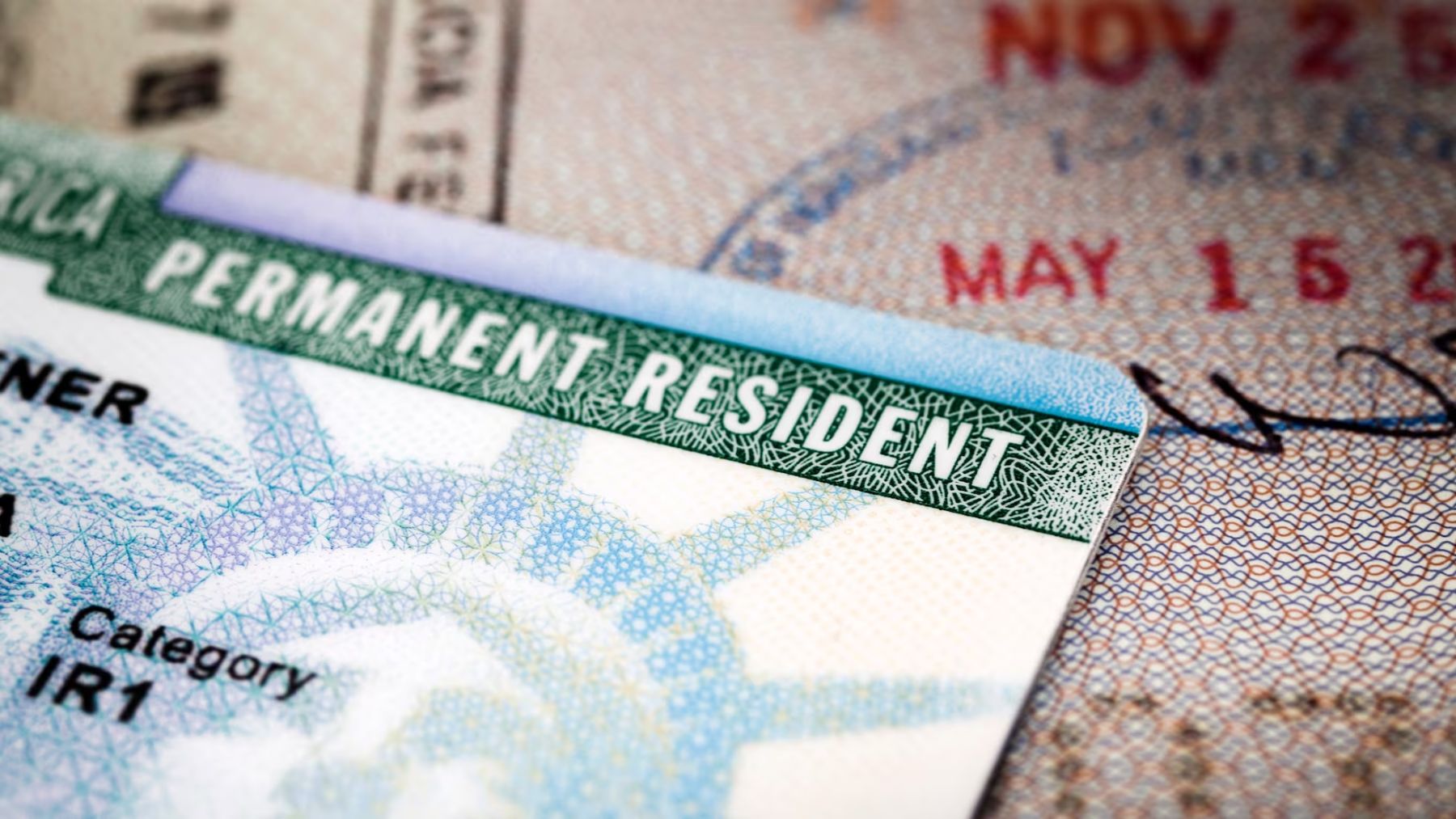
USCIS has recently published changes to the family-based immigration process. This change is primarily based on monitoring to reduce cases of fraudulent marriages. From now on, it will be necessary to submit Form 1-130, which does not grant automatic legal status, but less common cases could result in a Notice to Appear. Interviews will be more complex and in-depth, and in many cases, detailed documentation will also be requested to authenticate the relationship, which could exacerbate the immigration backlog. Read on to learn more about the recent modification.
“Fraudulent or without merit” under the microscope
This measure, which is already in place, gets thighter the requisites and puts applications deemed “fraudulent or without merit” under the microscope. Latino couples in the U.S. should be conscious of these recent guidelines to prevent delays, denials or even deportation proceedings.
Since August 1, 2025, US Citizenship and Immigration Services (USCIS) has updated its policy manual to tighten the review of family-based visa petitions, in specific those involving marriages among US citizens and foreign nationals.
This modifications influences both recent and pending applications, implying it takes effect immediately and without a transition timing.
According to the official statement, this update looks for to strengthen the agency’s faculty to recognize legitimate petitions and filter out those that are considered false, frivolous or not genuine.
Goodbye to the automatic Green Card for spouses?
One of the most relevant points is that just having a petition approved does not guarantee legal immigration status. This implies that even if a marriage visa application is approved, the beneficiary might still have to mamage deportation proceedings if he or she is “removable” under immigration law.
This modification has raised preocupations among many Latino immigrants who rely on this route to obtain their green card and in the future citizenship. At this time, the evaluation will be much hard, and each case will be carefully studied to check the authenticity of the marriage.
How does it affect Latino couples in the US?
The Latin American community, in specific those couples who reside in a irregular way or have began their process from scratch, is among the most affected by this update. Some of the most relevant aspects takes into account:
- Greater demand for documentation proving the authenticity of the relationship.
- More rigorous interviews to detect sham marriages.
- Possibility that cases will be referred to other government agencies as part of a deeper investigation.
- Approved petitions are sent to the National Visa Center when status cannot be adjusted within the U.S.




