
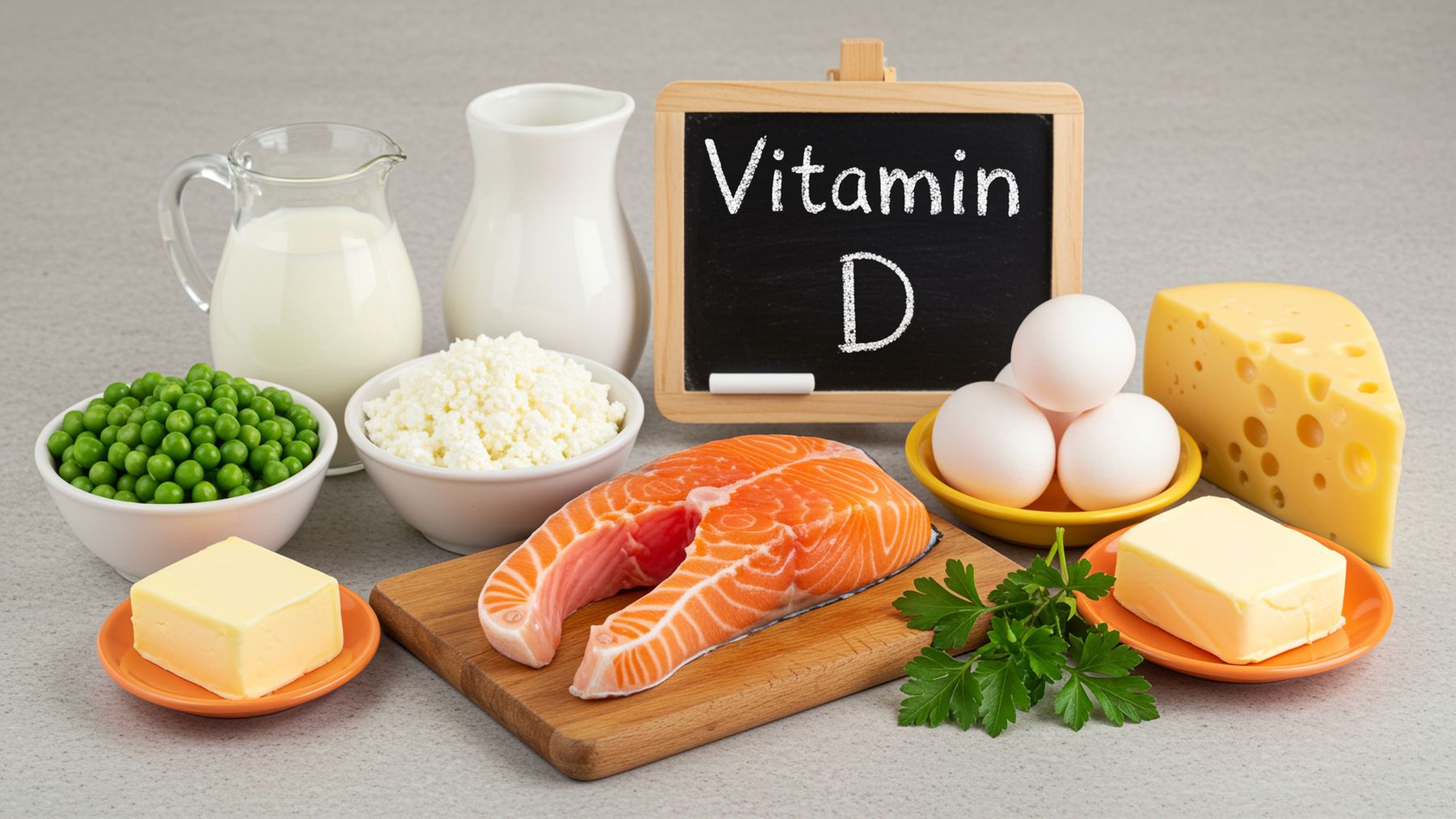
Today, society has realized that personal health care starts from the inside out. Contrary to popular belief, vitamin D is not only maintained through sun exposure. Factors such as an inflamed intestine, an irritated liver, or kidneys that don’t function properly can hinder its absorption, even if we spend hours in the sun.
This vitamin helps absorb calcium, which is one of the main building blocks of bones
Vitamin D is essential for maintaining a strong immune system, maintaining proper calcium balance in bones, and preventing diseases such as dementia. This vitamin helps absorb calcium, which is one of the main building blocks of bones. A vitamin D deficiency can lead to bone conditions such as osteoporosis and rickets.
Muscles need it to move, nerves need it to carry messages between the brain and body
It also plays an important role in the nerves, muscles, and immune system. Muscles need it to move, nerves need it to carry messages between the brain and body, and the immune system needs vitamin D to fight bacteria and viruses. The answer to potential problems lies in a combination of factors such as modern lifestyle, digestive absorption problems, and a diet that doesn’t always meet our needs.
Vitamin D can be obtained in three ways: through the skin, through diet, and in the form of supplements
And its importance shouldn’t be underestimated, even during the sunniest months, because during those times the body can be deficient in vitamin D. For this reason, if a person is diagnosed with vitamin D deficiency, it’s crucial not to neglect supplements during the summer months. Vitamin D can be obtained in three ways: through the skin, through diet, and in the form of supplements. The human body forms vitamin D naturally after exposure to sunlight. However, too much sun exposure can lead to skin aging and other conditions such as skin cancer. For this reason, many people choose to obtain vitamin D from other sources.
Up to 40-50% of the population has insufficient vitamin D levels, especially during the summer months
In fact, studies show that, despite high sun exposure in countries like Spain, up to 40-50% of the population has insufficient vitamin D levels, especially during the summer months. As for food, very few foods naturally contain vitamin D. Foods that naturally contain vitamin D include egg yolks, saltwater fish, and liver.
Vitamin D cannot be overlooked. According to a report by the Spanish Nutrition Foundation (FEN), in Spain, nearly 60% of people over 65 are deficient in vitamin D, and this deficiency has been linked to an increased risk of diseases such as osteoporosis, cardiovascular disease, and even certain forms of dementia.
Let’s not forget that factors such as aging, dark skin, or digestive diseases that affect absorption
So, to summarize, let’s not forget that factors such as aging, dark skin, or digestive diseases that affect absorption, such as irritable bowel syndrome, can significantly reduce vitamin D synthesis. Therefore, it’s important not to forget that adequate vitamin D intake can be crucial for bone health, the immune system, and the prevention of serious diseases such as senile dementia.
Once again, being properly informed is key to leading a healthier lifestyle. Especially in these times when access to quality information is much easier than it was years ago. And not so long ago, in fact, since the internet has occupied practically 100 percent of our lives, information has become a service available to everyone (with internet access). In any case, it is essential to ensure that the sources you seek information from are reliable and official, so as not to fall prey to hoaxes or misinformation.




