
A fence can cause more problems than we think, due to property law. In fact, in communities with homeowners associations, they emphasize the importance of a property survey and knowing the property boundaries. Palm Beach Gardens, an example of a homeowners association, emphasizes the importance of the activities they carry out. Thus, Robert Frost stresses that a good fence makes for good neighbor relations. On the other hand, Zach Peyton, Superior Fence & Rail, presents the other side of the coin and advocates taking into account that neighbor relations depend on good communication. Read on to learn more.
Determine whp is the fence owner
Stablishing who owns a fence that dividesinto two separate properties isn’t always easy. Jeff Lichtenstein, CEO and broker at Echo Fine Properties, explains that it depends on every state and county’s law as well as whether you belong to an HOA. A land surveyor or a legal agreement might resolve the problem.
Not every fence is located exactly along property lines. In the case the fence is on just one owner’s land, then that owner posses it.
“Even if it’s facing your property, it’s no different than a neighbor’s blue house facing your property,” Lichtenstein says. “The side of the house is what you see, and the owner doesn’t usually see it. Still, you can’t paint it whatever color you wish.”
Property surveys are usually the most reliable way to figure out where your land finishes and your neighbor’s starts. In neighborhoods with no HOA regulations or clear agreements, it’s best to gain explicit permission before undertaking any action that might modify a structure your neighbor legally has. In the case, you can’t stand the condition or color of the fence facing your home, then you must start a delicate agreement.
Everything is about negotitation
Zach Peyton, brand president of Superior Fence & Rail, as a joke mentions the famous Robert Frost line, “Good fences make good neighbors, right?” Wrong. He says that a few considerations make all the difference.
There may be ocasions when ownership can’t be easily determined due to the fact that neither neighbor has the original paperwork or the chance to arrange a property boundary survey. This can happen if neighbors had disputes in the past, if the land is rural or farmland, or if either property is part of an estate sale.
In any case, if one neighbor paid for the original fence outright, that usually proves ownership of the fence. Nevertheless, if costs are shared or unclear, open and honest communication can be the key to prevent conflict in the future.
Peyton underlines a common situation, which is based on the fact that if your half of the fence bothers, you might have to take on the entire of the responsibility for a fix that serves both you and the neighbor.
The one that pays the paint job
Cost-sharing can be a dainty problem. According to Lichtenstein, the basic rule of thumb is:
“If you really want something, offer to pay for the entire job.” He explains that this approach usually removes friction, especially if the neighbor isn’t particularly concerned with aesthetics. “They get a benefit out of it, but it doesn’t require them to invest.”
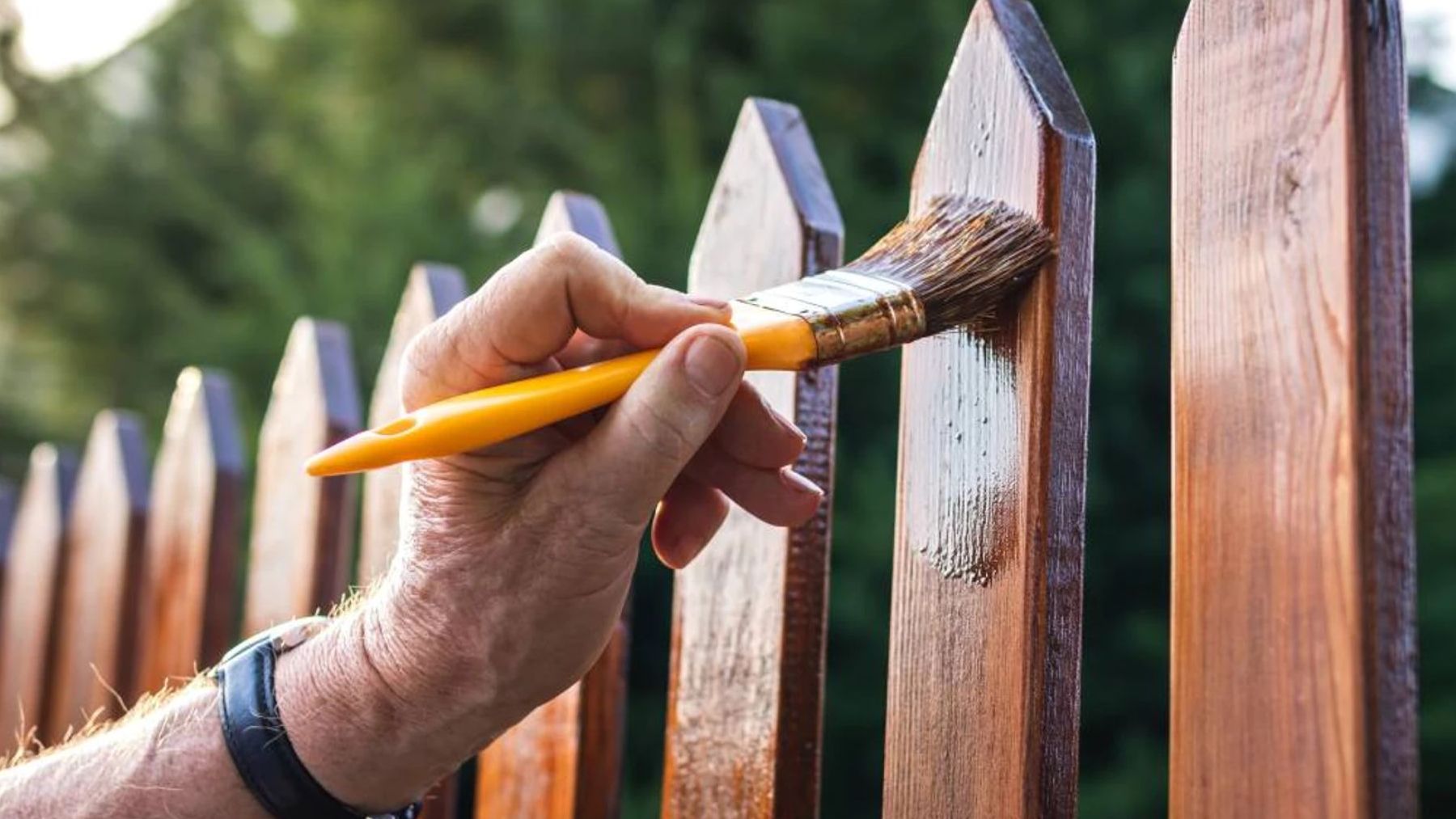
On the flip side, painting a fence having no permission—even if you foot the bill—can explose. Plain wooden fences may need a easies DIY coat of paint, hovewer, painting wrought iron, lattice, or brick fencing could harm the material in a unchangeable way.
In addition, Lichtenstein cautions that homeowners who modify a fence without consent endager more than just neighborly tension. What begings as a cosmetic improvement could turn itno an expensive legal problem if the fence is ruined or the installation somehow impacts your neighbor’s yard or lawn.
Best practices and fence choices
If you and your neighbor can’t be in agreement, in occasion the best way is to leave the fence as is. Create a new kind of boundary:
“With hedges, it’s more common that you take care of your side and they, theirs,” Lichtenstein says, which can help avoid future fence disputes.




