
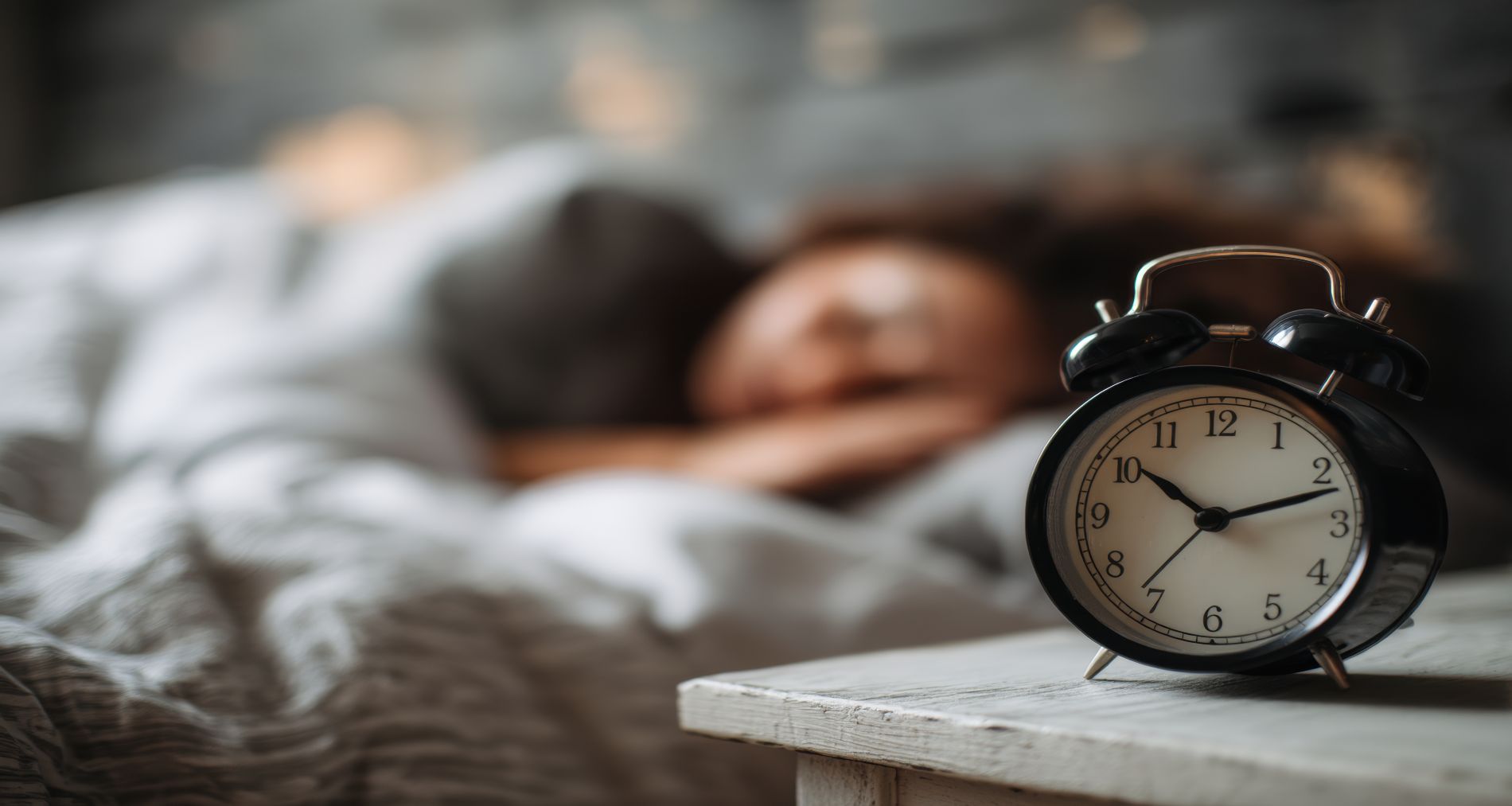
Good sleep health is essential for proper bodily function. It can sometimes be overlooked, but the body needs rest to perform. A recent study found that the average American doesn’t fall asleep until 11:18 PM. However, their bedtime routine starts at 10:15 PM. The study was conducted by Avocado Mattress and published by Talker.
Citizens take an average of 21 minutes to complete all the tasks leading up to bedtime
The study analyzed the nighttime routines of 2,000 adults in the United States and concluded that citizens take an average of 21 minutes to complete all the tasks leading up to bedtime, such as brushing their teeth, brushing their face, reading, and so on. Therefore, they typically go to bed at 10:36 p.m. Keep in mind that this study applies only to Americans in general; there are always specific cases. People’s lifestyles vary by country, culture, and time of year.
During the summer months, daily routines change significantly because the sun typically sets later, making routines longer. This is especially noticeable in Europe, where people tend to have dinner later and go to bed even later. Many Americans are surprised to learn that Spaniards typically eat dinner at 9 or 10 p.m., since in this country, these schedules are the same year-round.
People spend about 40 minutes longer before falling asleep completely
Returning to the sleep study, the data revealed that although people go to sleep on average at 11:18 p.m., they don’t usually fall asleep immediately. Instead, they spend about 40 minutes longer before falling asleep completely. This slight adjustment causes many people to feel less rested than they need, since even if their bedtime changes, their routine doesn’t. In other words, their wake-up time generally remains the same.
29% they go to bed later trying to finish household chores or other similar responsibilities
In any case, and according to the data, when citizens stay up later than planned, 29% say it’s because they’re trying to finish household chores or other similar responsibilities. Another 21% of respondents say they enjoy the evening as their favorite part of the day. Some stay up late because they don’t want to rush into the next workday (15%), while 13% say it’s the only time of the week they can connect with their partner.
“Parents with school-aged children may find it even more challenging to get enough sleep”
There are other conditions that can also change people’s sleep routines. Fourteen percent sleep worse due to issues like snoring (63%) or being woken up by their partner during the night (52%). And then there are the routines of families with young children. “Parents with school-aged children may find it even more challenging to get enough sleep as they juggle homework, prepare lunches and dinners, drive around, and try to spend quality time with their children,” said Laura Scott, brand marketing director for Avocado Green Mattress. “With so much going on during the back-to-school season, ensuring they get a good night’s sleep is more important than ever.”
Sleep experts agree that the ideal is between 7 and 9 hours of sleep per night
The study also revealed that 27% of respondents were parents of school-aged children. Eleven percent of respondents believe they will sleep worse due to the stress and worries associated with the start of the school year. Although there is no perfect bedtime, sleep experts agree that the ideal is between 7 and 9 hours of sleep per night.
That’s between adult ages, because babies generally sleep about 16 hours a day. Toddlers need about 10 hours of sleep, while teenagers need at least 9 hours. To achieve the maximum restorative benefits of sleep, it’s important to get a full night of quality sleep. Try to ensure that the hours you do get are truly restful and restorative.




