In a major rescue operation, the use of artificial intelligence (AI) helped locate the body of a hiker who went missing in Italy’s Piedmont region nearly a year ago. A search that can last months or even years can be completed in just a couple of hours with an AI system.
The CNSAS relied on AI to find the missing person’s body in Italy’s Piedmont region
After conventional rescue methods failed, the National Alpine and Speleological Rescue Corps (CNSAS) relied on AI to find the body of 64-year-old Ligurian doctor Nicola Ivaldo. The National Alpine and Speleological Rescue Corps, known by its Italian acronym CNSAS, relied on AI to find the missing person’s body in Italy’s Piedmont region, on the north face of Monviso, the highest peak in the Cottian Alps, since September 2024.
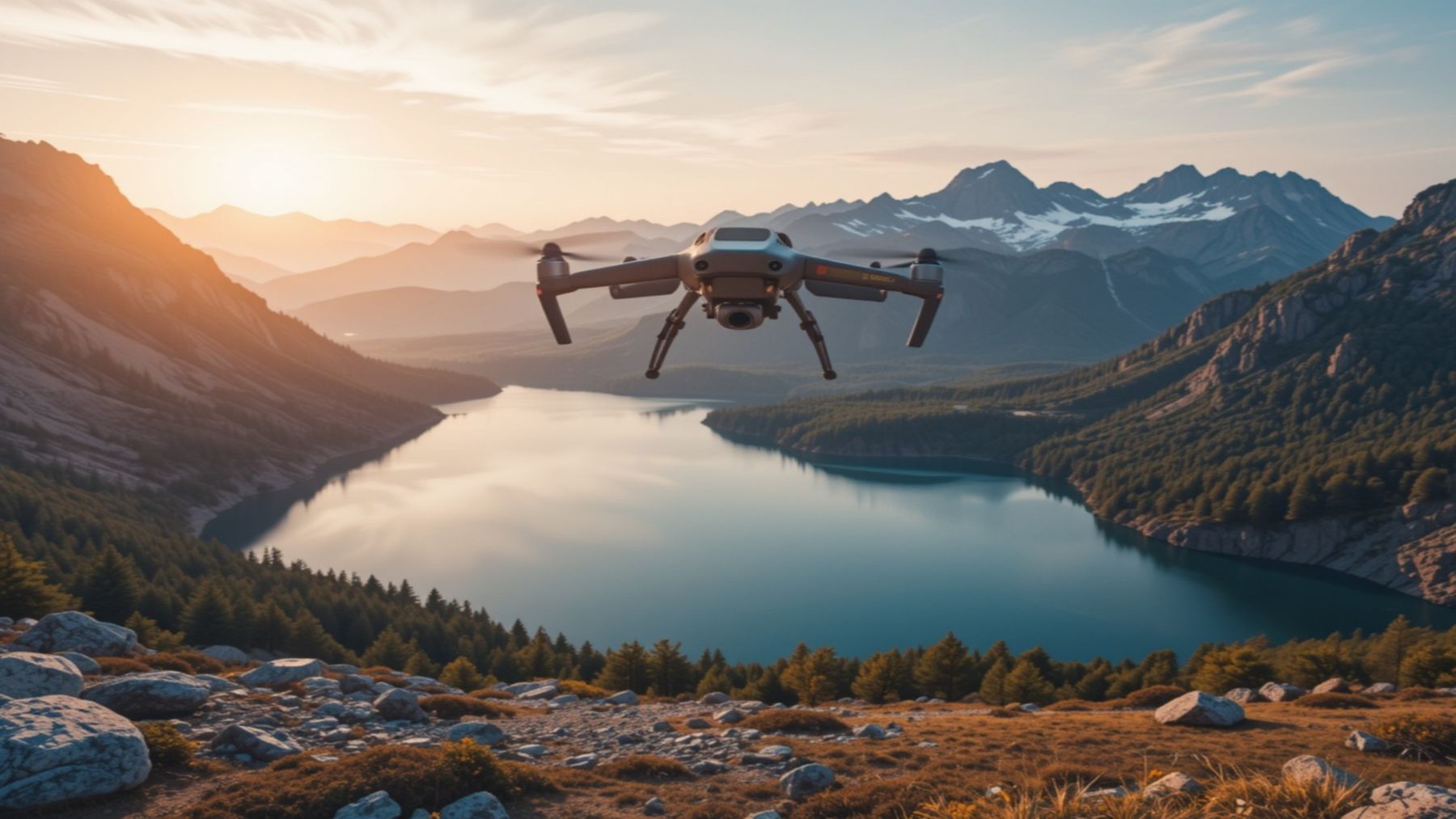
It all happened in a couple of hours. CNSAS drone pilot Saverio Isola, along with Giorgio Viana, led the operation using two drones that took photographs of the vast mountainous area over five hours on July 29. According to Saverio Isola, the operation lasted less than three days, including searching for any sign of the missing hiker, the discovery and recovery of his body, and a stoppage due to bad weather.
The body of 64-year-old Ligurian doctor Nicola Ivaldo was found more than 10 months after his disappearance
Afterwards, the photos were fed into an AI system, which instantly highlighted a series of “suspicious spots” to check. With his back to the ground, his gaze fixed on the mountains, 600 meters below the summit, the body of 64-year-old Ligurian doctor Nicola Ivaldo was found on the morning of Thursday, July 31, more than 10 months after his disappearance, thanks to his helmet that clashed with the rest of the landscape. “It was the AI software that identified some pixels of a different color in the images taken on Tuesday,” said Mr Isola.
“We woke up at 4 am to reach a very distant point with good visibility on the channel where the red pixels had been detected, and we used the drone to see if it was indeed the helmet,” said Isola, who reconstructed step-by-step the operation that led to the discovery and recovery of the remains located at an altitude of approximately 3,150 meters, in the rightmost of the three ravines that cut through the north face of Monviso, above a hanging glacier.
If the images had been analyzed by humans, it would have taken weeks or even months
The expert explains in detail how the identification work was. “Then we took all the necessary photos and measurements, sending the information to the rescue coordination center, which was then able to dispatch the Fire Brigade helicopter for the recovery and police operations.”
From drone deployment to analysis, taking into account the delay due to inclement weather, the Isola team took less than 72 hours to complete the operation, highlighting the importance of technology in streamlining the process. Based on the information we have today, if the images had been analyzed by humans, it would have taken weeks or even months.
It’s important to note that the information from Ivaldo’s smartphone was immediately invaluable. Furthermore, the two drone pilots who patrolled the area benefited from the experience and knowledge of four expert mountain rescuers. “It’s a human achievement, but without technology, it would have been an impossible mission. It’s a team success,” Isola said of the entire operation.
Furthermore, each drone operation is part of a rigorous method developed by the CNSAS in coordination with ENAC, the national agency that oversees civil aviation. Therefore, the lesson learned from this is that teamwork and the use of technology to our advantage can be the answer to many current problems.