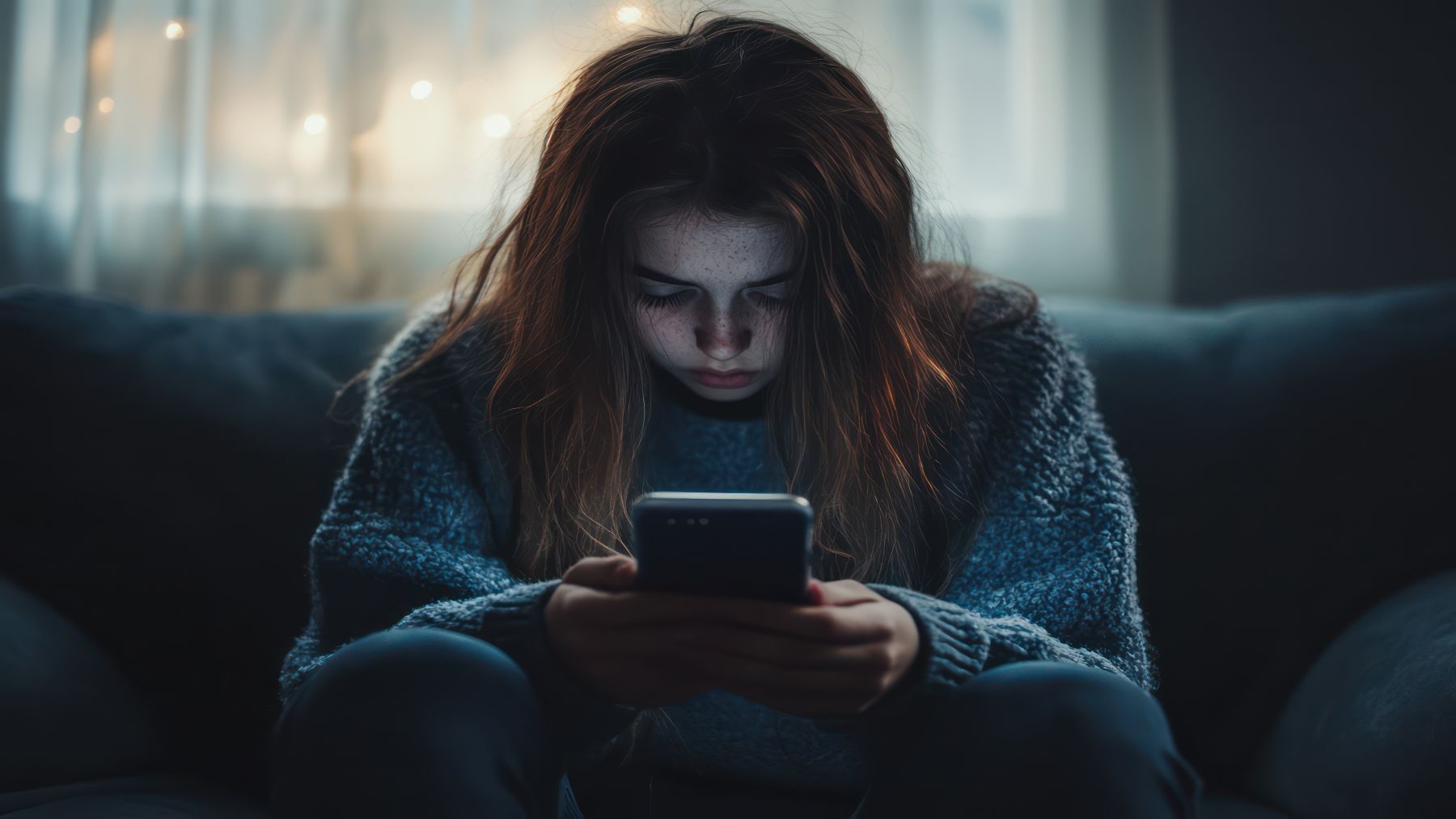
Australia has banned children under 16 from accessing TikTok, YouTube, Facebook, Instagram, and Twitter. It’s a complex decision that not everyone agrees with, and many believe the decision won’t help much. The law will go into effect on December 10 of this year. The ban includes fines of up to US$32.5 million for companies if they fail to comply with the Australian government’s guidelines.
The law offers no exemptions for existing users or those with parental consent
This isn’t the first global attempt to restrict social media use by minors, but the minimum age of 16 is the narrowest threshold set by any country. Unlike other attempts, the law offers no exemptions for existing users or those with parental consent.
“We want kids to know who they are before platforms decide who they are.” This is what Anika Wells, Australia’s Minister for Communications, said regarding the official announcement of this particular law. Many are aware of the harm that social media can cause to minors who are just discovering who they are. The level of stimuli found on social media is too much for an adult; imagine what it means for a developing mind.
Some cases have ended in tragedy, with minors being targets of bullying via social media
Wells is using this very excuse to enact such a visceral law. “It’s undeniable that four out of ten Australian children report their most recent harm occurred on YouTube,” said the Minister. Let’s remember that some cases have ended in tragedy, with minors being targets of bullying via social media or feeling so much social pressure, according to the “standards” used by social media, that they have been seriously affected.
The government has indicated that it will rely on some age verification technologies to implement the restrictions. The responsibility will fall on social media platforms to add these processes themselves. Prime Minister Anthony Albanese said the legislation is necessary to protect young people from the “harms” of social media, a point many parent groups have also made.
Critics have requested guarantees that privacy will be protected
In any case, there are a number of obstacles to this procedure. Some digital researchers have warned that there are no guarantees that the technology will work. Although it has not yet been specified, it could rely on biometrics or identity information. Critics have also requested guarantees that privacy will be protected. It has also been highlighted that the restrictions could be easily circumvented through tools such as a VPN, which can hide a user’s location and make it appear as if they are requesting access from another country.
Nowadays, it doesn’t seem difficult for a teenager with a smartphone to circumvent these restrictions. In any case, we’ll have to wait until the restrictions come into effect to better understand the procedure. “There’s no perfect solution when it comes to keeping young Australians safe online, but minimum age laws for social media will make a significant difference,” Anika Wells said.
“We understand that we are vulnerable to the social media, but we must be involved in developing solutions”
There are several opposing views. Some youth activists have accused the government of not fully understanding the role social media plays in their lives, excluding them from the debate. Mobile phones and social media are already part of their lives. There is no social interaction without this tool, certainly the information that reaches them from these environments.
“We understand that we are vulnerable to the risks and negative impacts of social media… but we must be involved in developing solutions,” wrote the eSafety Youth Council, which advises the regulatory body. These are certainly difficult times. To be a parent, a teenager, a teacher, a governor, a human being.