
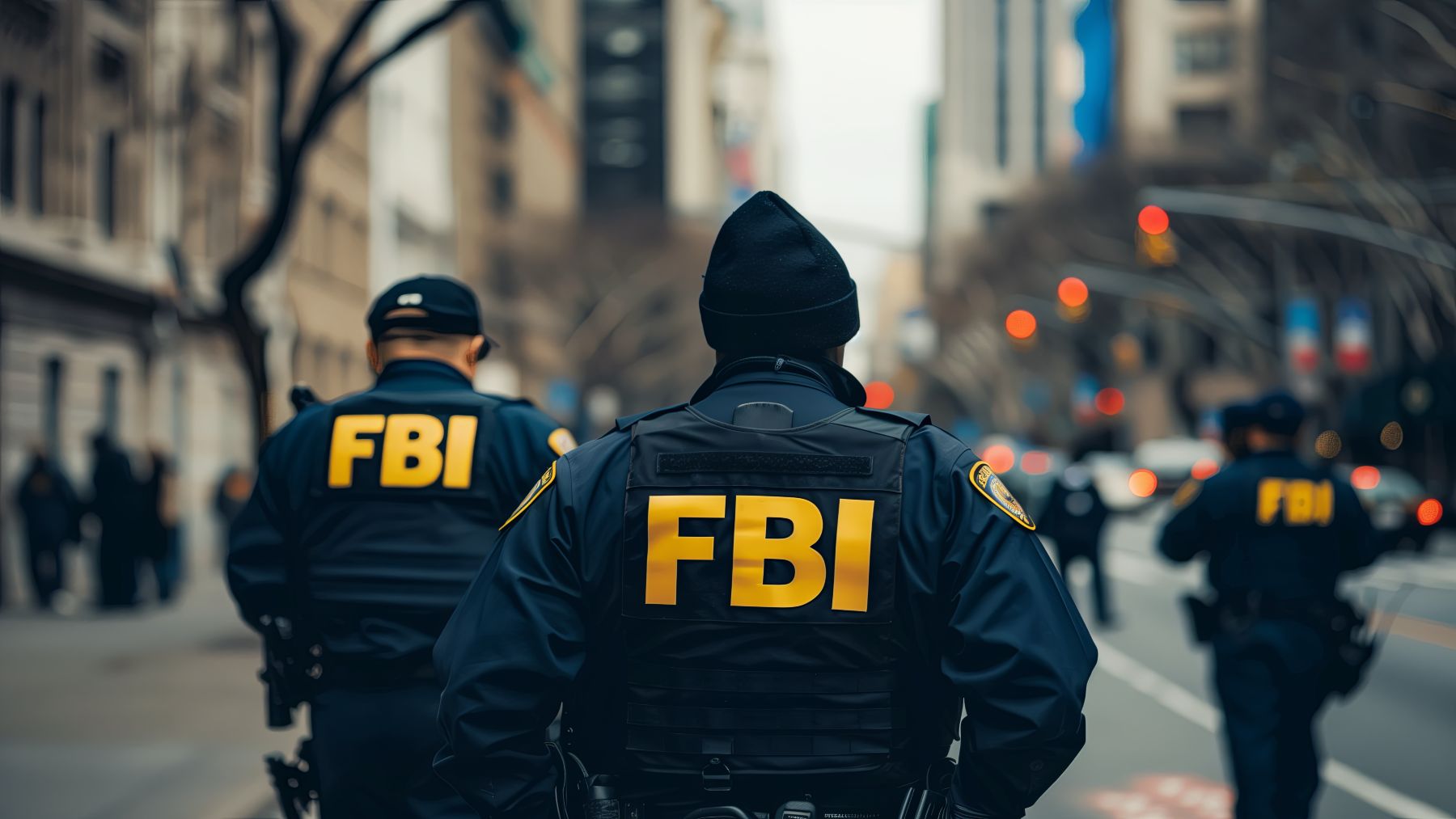
There was a time when all packages arriving at businesses or homes were strictly inspected. In some media outlets, packages had to go through special security checks after a few incidents. Now, the FBI and Homeland Security urge caution when receiving unexpected packages or packages from unfamiliar or unrecognized sender. In the United States, some packages contain a QR code that, when scanned, can put the person scanning it at risk.
The scam involves sending a package containing a QR code so victims download malicious software
Going into detail, the FBI recently warned US residents about this new scam circulating in the country. The scam involves sending a package containing a QR code. The goal is to encourage the recipient to scan it. However, in doing so, victims download malicious software that gives access to the device’s personal and financial information, allowing criminals to steal their data.
Authorities recommend taking precautions when scanning any QR code, not just on unknown packages, but in general. It’s an increasingly common scam because it’s a relatively simple way to virtually access our cell phones. Remember that today’s smartphones aren’t just for making calls and sending messages; we also have bank accounts, personal photos, documents, work data… The information we store is sensitive.
Important: being careful before authorizing phone permissions and, above all, not scanning QR codes from unknown sources
The FBI recommends being wary of unsolicited packages containing unsolicited merchandise; being cautious with shipments that don’t include sender information; being careful before authorizing phone permissions and access to websites and apps; and, above all, not scanning QR codes from unknown sources.
This type of scam is a variation of brushing, a fraud used by online sellers to boost their product ratings. In the so-called “original” scam, sellers sent merchandise to an unsolicited recipient and then used their information to post a positive review of the product. Some companies will go to almost any lengths to make a profit, however small.
FBI IC3: The first thing to do is fill out a form with important information as the person or company that contacted you, communication methods..
If you experience this type of scam, authorities recommend reporting it immediately. This is especially important to prevent further attacks and, to the extent possible, recover information or clear the victim’s name. The first thing to do is fill out a form with important information. The FBI IC3 form can be found on the website. You must provide the name of the person or company that contacted you; explain in detail the communication methods used, including websites, emails, and phone numbers; and finally, list any applications downloaded or to which the victim has granted access permissions on their electronic device.
With this information, you can now file a formal complaint and locate the person or company that committed the fraud. The FBI makes it clear: “The IC3 does not collaborate with any non-law enforcement entities, such as law firms or cryptocurrency services, to recover lost funds or investigate cases. We will never contact you directly to request information or money,” adding that citizens should “file a report, even if they are unsure whether their report qualifies.”
With all this, what’s clear is that it’s best to be wary of unfamiliar packages before opening them. Typically, everything we order online has codes these days; we can track shipments in real time, making it difficult to get confused. But there are always exceptions. And of course, even if curiosity piques us, if a package arrives at our home that we weren’t expecting, it’s best to turn it over to the authorities.




