
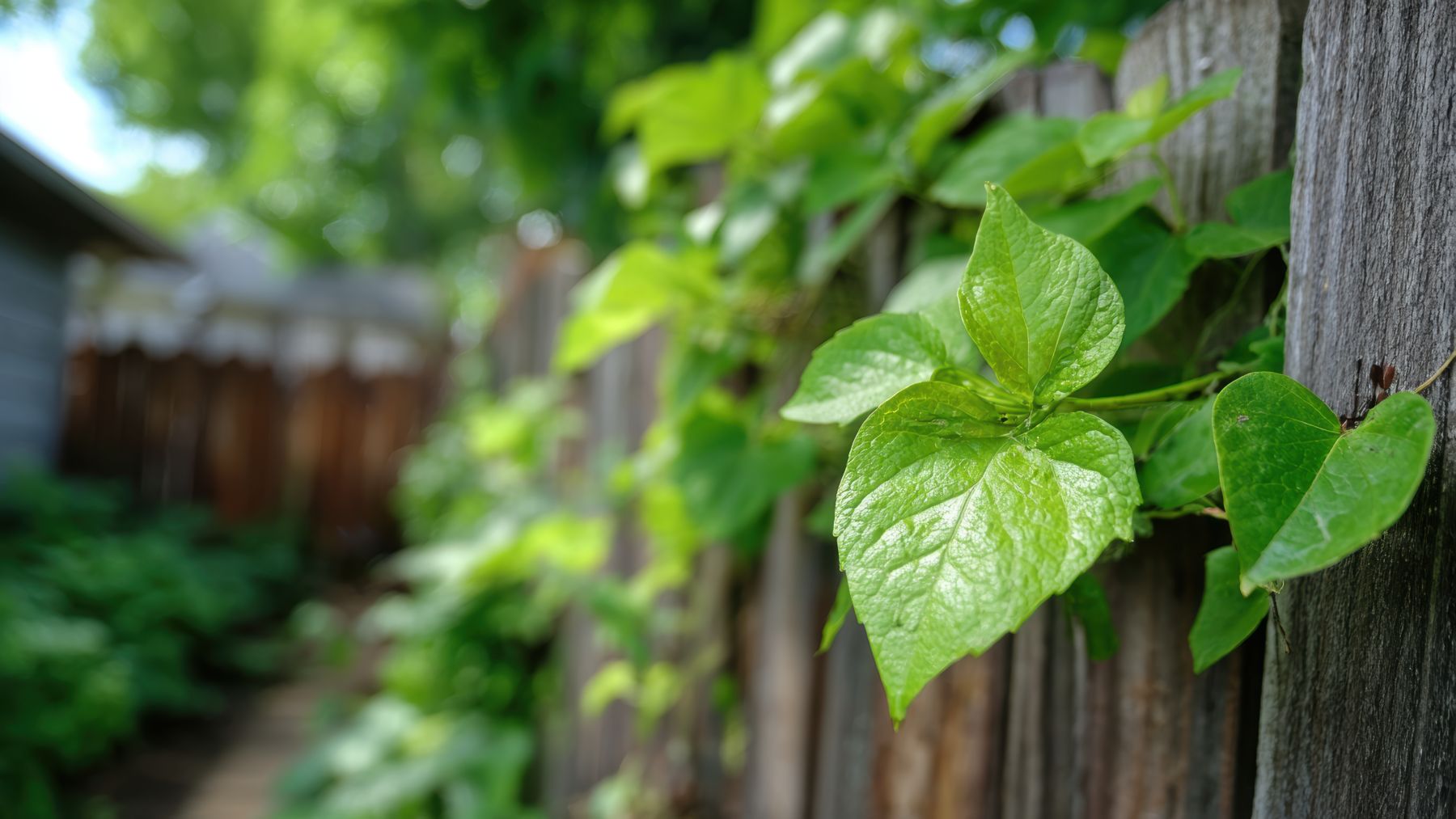
Poison ivy is a plant no one wants in their garden. The oil in the leaves and stems (urushiol) is toxic and causes severe dermatitis upon contact and respiratory problems if burned. This weed is found throughout most of the United States, and poison ivy is common in residential yards and gardens, especially in rural areas. Some ways to remove this weed without harm include spraying it with a specific chemical spray or pruning it with specific shears. Below, we detail the best ways to get rid of it.
Poison ivy: contains an oily resin that causes a horribly itchy, bumpy skin rash that’s difficult to remove
It’s important to know how to remove this type of weed because of the damage it can cause to the skin, among other unpleasant effects. This member of the Anacardaceae family, which also includes poison oak and poison sumac, contains an oily resin that causes a horribly itchy, bumpy skin rash that’s difficult to remove. After removing these plants, the soil should be worked frequently, the area mulched, and grass planted to prevent regrowth.
When removing the poison ivy, “Cover your skin, wear waterproof gloves”
First and foremost, wear appropriate attire when removing poison ivy. Wearing long sleeves, pants, boots, and heavy-duty rubber gloves is a must if you want to do it safely, as even a small amount of urushiol from poison ivy leaves or stems can cause a potentially worrisome reaction. Another option, if you don’t have gloves nearby, is to cover your hands and arms with bags as an added precaution if you plan to pull the plants by hand. “Cover your skin, wear waterproof gloves, and I would even suggest safety glasses when managing poison ivy plants and debris,” says Melinda Myers, a gardening professional.
Spray it: we should wait about two to three weeks for the product to fully penetrate and have the desired effect
First, as we mentioned earlier, we can spray it, because it can be easier and faster. However, keep in mind that these chemicals will damage or kill any nearby plants they touch, so it’s important to apply a spot treatment or paint the poison ivy leaves with the chemical to avoid harming desirable plants. After this, we should wait about two to three weeks for the product to fully penetrate and have the desired effect. “You will need multiple applications as this plant has an extensive root system and will keep sending up new stems,” says the expert.
Another option is to prune all poison ivy directly. This is effective because it completely removes the unwanted weed. Use pruning shears to cut the stems at ground level, then place the cuttings in a plastic bag for disposal. It’s important to monitor the area regularly and repeat the process as new growth appears. Keep in mind that this process may take a few seasons until the weed is completely eliminated.
Precaution: it’s important to properly wash all clothing and implements used to eliminate this plant
Finally, we can also cover it with plastic. This method of eliminating poison ivy deprives the plant of sunlight and heat, killing it because it effectively deprives it of its life source: oxygen. After removing the plastic, inspect the area for any remaining vegetation and remove it if necessary to prevent regrowth.
Finally, it’s important to properly wash all clothing and implements used to eliminate this plant. It’s recommended to wash clothes three times on the hot water setting with laundry detergent. If possible, also wash shoes and let them dry properly. This is an important recommendation since the urushiol in poison ivy can cause rashes even years later.




