
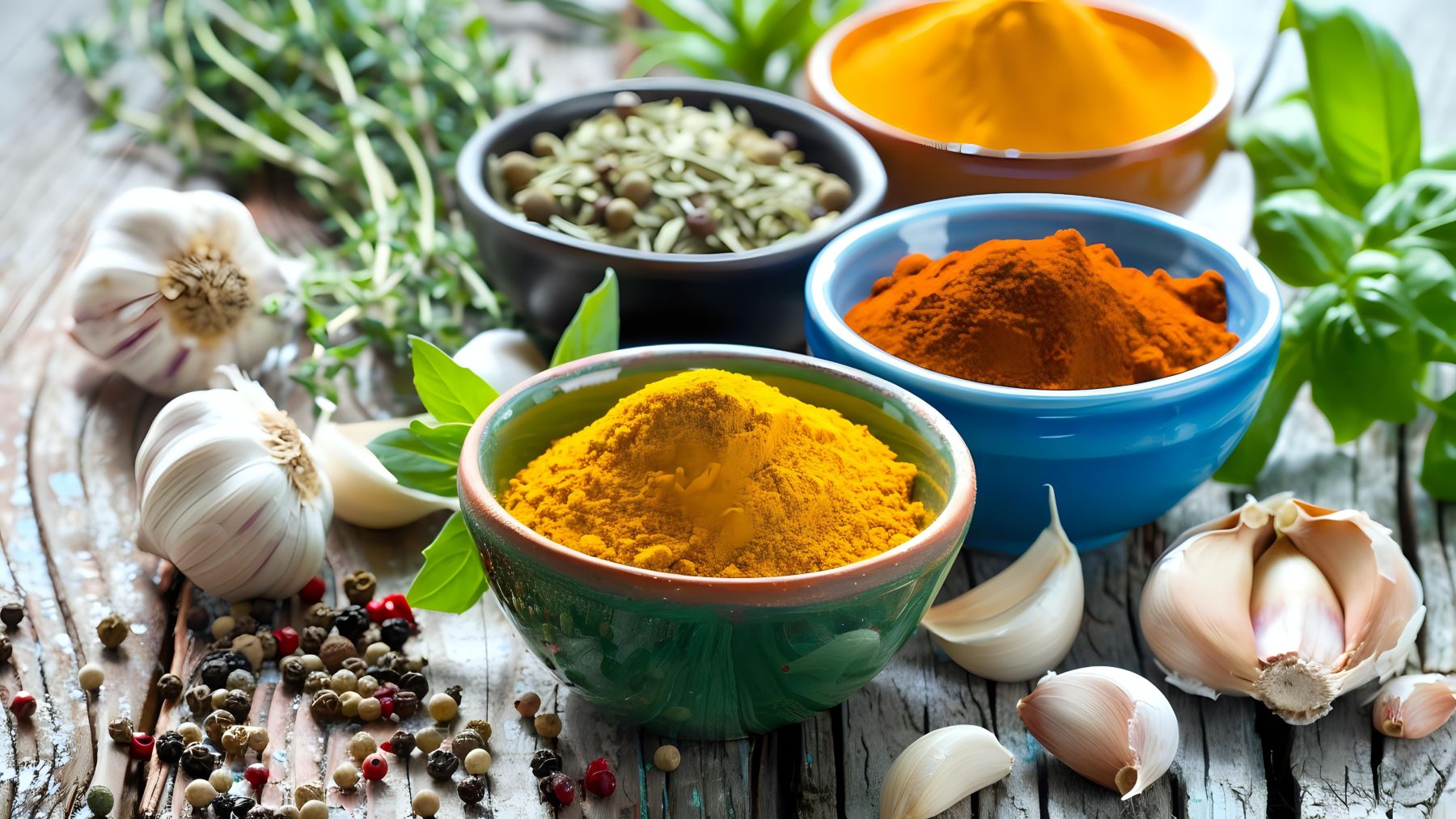
Nature itself offers foods that can help alleviate some ailments. Science, for its part, has been proven to be essential for curing diseases, researching cures for life-threatening illnesses, and ultimately serving humanity. Regarding nature, there are certain herbs that have properties that can lower blood pressure. While oral remedies are not an essential treatment for these types of conditions, they can certainly help reduce symptoms. Among these herbs are hibiscus flower, flaxseed, garlic, basil, and turmeric.
Several natural herbs have beneficial properties against blood pressure imbalances
Before continuing, it’s important to remember that lowering blood pressure requires lifestyle changes and improving eating habits. As detailed in a publication in the medical journal Pharmacognosy Reviews, several natural herbs have beneficial properties against blood pressure imbalances.
Data: anthocyanins prevent hardening of the arteries by reducing the oxidation of bad cholesterol (LDL)
On the one hand, hibiscus flower may effectively reduce blood pressure in patients with stage 1 hypertension, according to research from the Journal of Advanced Pharmaceutical Technology & Research. This is because anthocyanins prevent hardening of the arteries by reducing the oxidation of bad cholesterol (LDL). Meanwhile, a compound in the plant triggers the release of nitric oxide, which increases kidney filtration and generates a diuretic effect that helps reduce blood pressure.
Flaxseed supplementation reduced systolic and diastolic blood pressure
If possible, consult your doctor, as they often interact with prescription medications. If there are no problems, consuming them can help lower blood pressure to stable levels. Flaxseed supplementation reduced systolic and diastolic blood pressure in a review cited by Health.
Taking this herbs can help lower blood pressure to stable levels
At this point, it’s important to remember that before taking any supplement, it’s recommended to consult a doctor, especially if you’re taking prescription medications. They often interact with prescription medications. If there are no problems, taking them can help lower blood pressure to stable levels. Therefore, it’s essential to educate yourself about those cases in which their use is not recommended and, above all, to use them sparingly when deciding to introduce them into your diet.
Benefits such as lowering blood pressure in people with hypertension and normalizing slightly elevated cholesterol levels
As for flaxseed, therefore, the recommended daily intake is 30 grams, equivalent to 4 tablespoons of flaxseed, for at least 12 weeks. This can help reduce blood pressure and improve overall heart health.
The third food is garlic. This supplement has several health benefits, such as lowering blood pressure in people with hypertension, normalizing slightly elevated cholesterol levels, and strengthening the immune system. Then we have basil, a plant rich in biocompounds that can help control stress and its effects on high blood pressure. Finally, turmeric. This is a condiment that is already in many families’ kitchens, as it is used in certain recipes, along with the other foods we mentioned.
Curcumin is the active component of turmeric, and its regular consumption has an anti-inflammatory effect
Turmeric’s anti-inflammatory properties are proven. Curcumin is the active component of turmeric, and its regular consumption has an anti-inflammatory effect that helps maintain healthy blood flow, as it contributes to the flexibility and proper functioning of blood vessels.
They recommend exercising regularly, maintaining a healthy diet, limiting sodium intake, as well as limiting alcohol intake
In addition, experts’ recommendations for maintaining balanced health include reducing excess body weight, i.e., maintaining a healthy weight. They recommend exercising regularly, maintaining a healthy diet, limiting sodium intake, as well as limiting alcohol intake, quitting smoking if necessary, reducing caffeine consumption, managing the stress that can arise from daily routines, and always consulting a doctor before making any potentially drastic changes.




