An eroded enclave that holds secrets
Lizard Point, with its rugged landscape and spectacular views of the Atlantic, has witnessed shipwrecks, human settlements, and funeral rituals for centuries. It is not the first time that the coast has revealed secrets buried between the earth and the salt. However, this recent discovery points to something much more complex than was initially thought.
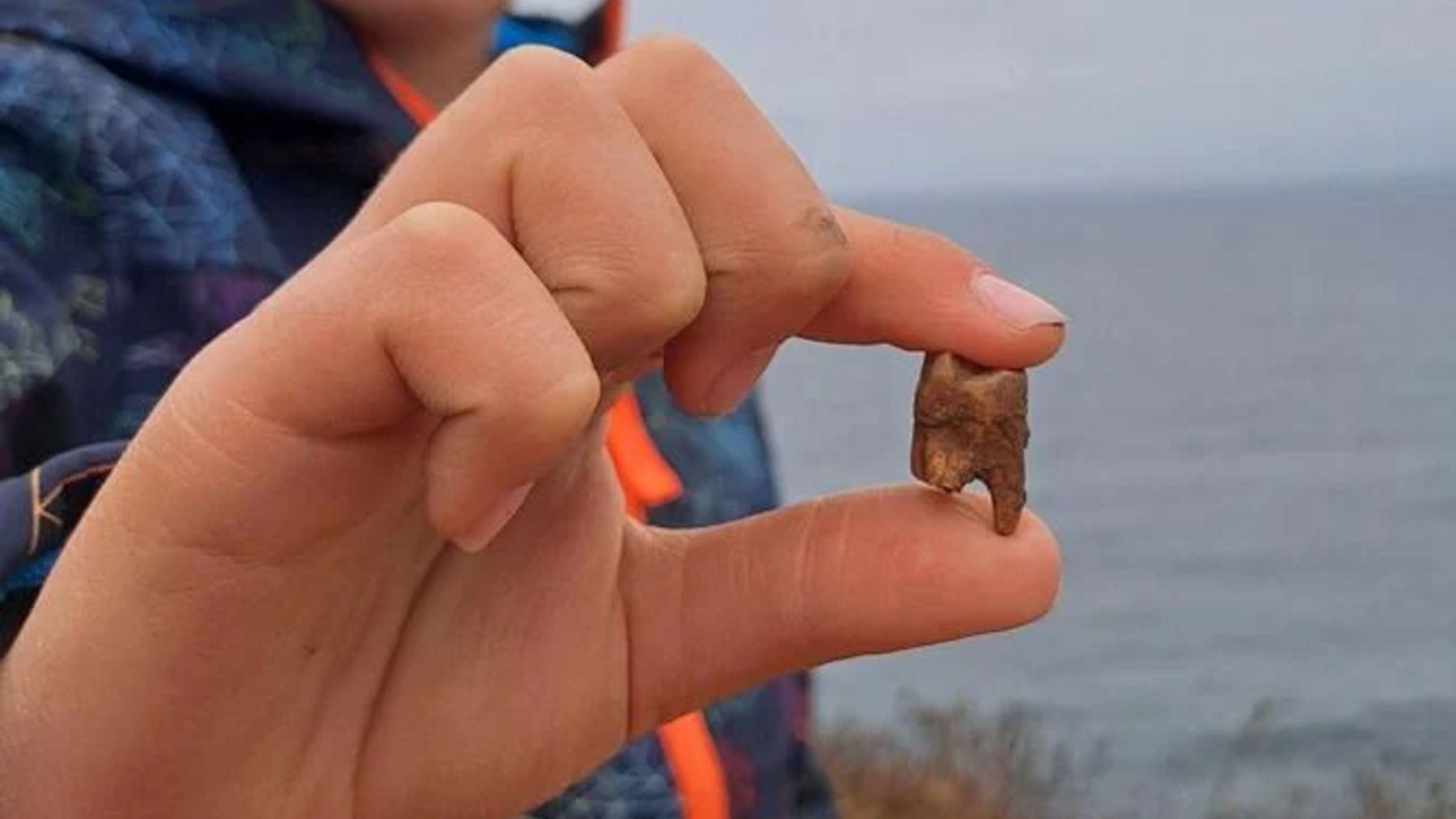
The constant erosion of the cliff, both natural and man-made, has exposed a small mound which, after preliminary inspection by National Trust archaeologist Jim Parry, contained fragments of jawbone, several human teeth, and remains of a skull, as initially reported by the BBC. Although it was initially thought that the remains could date back to prehistoric times, early hypotheses have given way to a broader and perhaps more disturbing theory: the site may have served as a mass grave following a shipwreck or even as a burial ground used for several centuries.
Shipwrecks, ancient laws, and unmarked graves
Cornwall’s maritime history is rich in tragedy. Its rugged coastline has been the scene of hundreds of shipwrecks over the centuries. One of the most striking facts that has emerged in connection with the discovery is the reference to the so-called “Grylls Act,” a law enacted in 1808 after a wave of public outrage over the treatment of shipwreck victims’ bodies. Until then, bodies recovered from the sea were buried near the place where they were found, in many cases in simple ditches dug into the cliffs, without names or ceremonies.
According to an update reported by the BBC, one of the hypotheses being considered by archaeologists is that the remains found could belong to victims of one of these shipwrecks, buried in a makeshift manner before there was a legal obligation to bury them in consecrated ground. However, experts do not rule out the possibility that the site may have been reused over the centuries, as was common in many areas of the British coastline where land was scarce or difficult to access.
The possibility that this is a coastal cemetery used intermittently between the Bronze Age and modern times cannot be ruled out. Carbon-14 analyses being carried out on the skeletal remains could yield dates covering a wide chronological spectrum, which would reopen the debate on burial practices in marginal areas of British territory.
A curious child, a tooth, and an unexpected excavation
Arthur, the child whose discovery triggered this investigation, could not have imagined that his childish curiosity would make him part of an archaeological process. Far from being left on the sidelines, he has been invited to closely follow the progress of the excavations, in a gesture that underscores the importance of involving new generations in the preservation of heritage.
The excavation work is still in its early stages, and the team led by archaeologist Jim Parry has indicated that the area could contain the remains of up to a dozen individuals, although it cannot be ruled out that this number may increase as the study area expands. The state of preservation of the bones, some of which have been fragmented by the passage of time and the salinity of the environment, will make identification difficult, but will at least allow the burial patterns to be reconstructed and the general chronology of the site to be estimated.
One of the keys to unraveling the origin of these remains will lie in the hands of osteoarchaeologists, specialists in the study of ancient human bones. They will analyze not only the age and sex of the individuals, but also their living conditions, diseases, and even the possible causes of death.
In addition, samples will be sent for accurate radiocarbon dating to determine whether the burials belong to the same period or whether they are the result of a gradual accumulation over generations. This information will be decisive in determining whether this is an isolated case linked to a specific tragic event—such as a mass shipwreck—or a cemetery that was in use for a long period of time.
The possibility of finding grave goods, clothing, personal items, or remains of wooden coffins would be key to contextualizing the burials, although no such finds have been recorded so far. However, work continues and is expected to continue for several months.
For all these reasons, the National Trust has cordoned off the area to prevent access by curious onlookers and ensure the safety of both the environment and the researchers. At the same time, the organization is working with teams specializing in the conservation of organic materials to ensure that the remains do not deteriorate once they have been removed from the ground.
History beneath our feet and lessons in the sand
This case reminds us that major historical discoveries are often made not in laboratories or through meticulous excavations, but through everyday gestures, through curious glances that dare to look closely at the ground. The fact that it was a child who triggered this investigation is no minor detail: it highlights the importance of heritage education and of fostering respect for the environment and its history.
If the analyses confirm the age and significance of the find, this small coastal promontory could become a new archaeological landmark for better understanding burial practices, shipwrecks, and life (and death) on the margins of the United Kingdom over the centuries.