
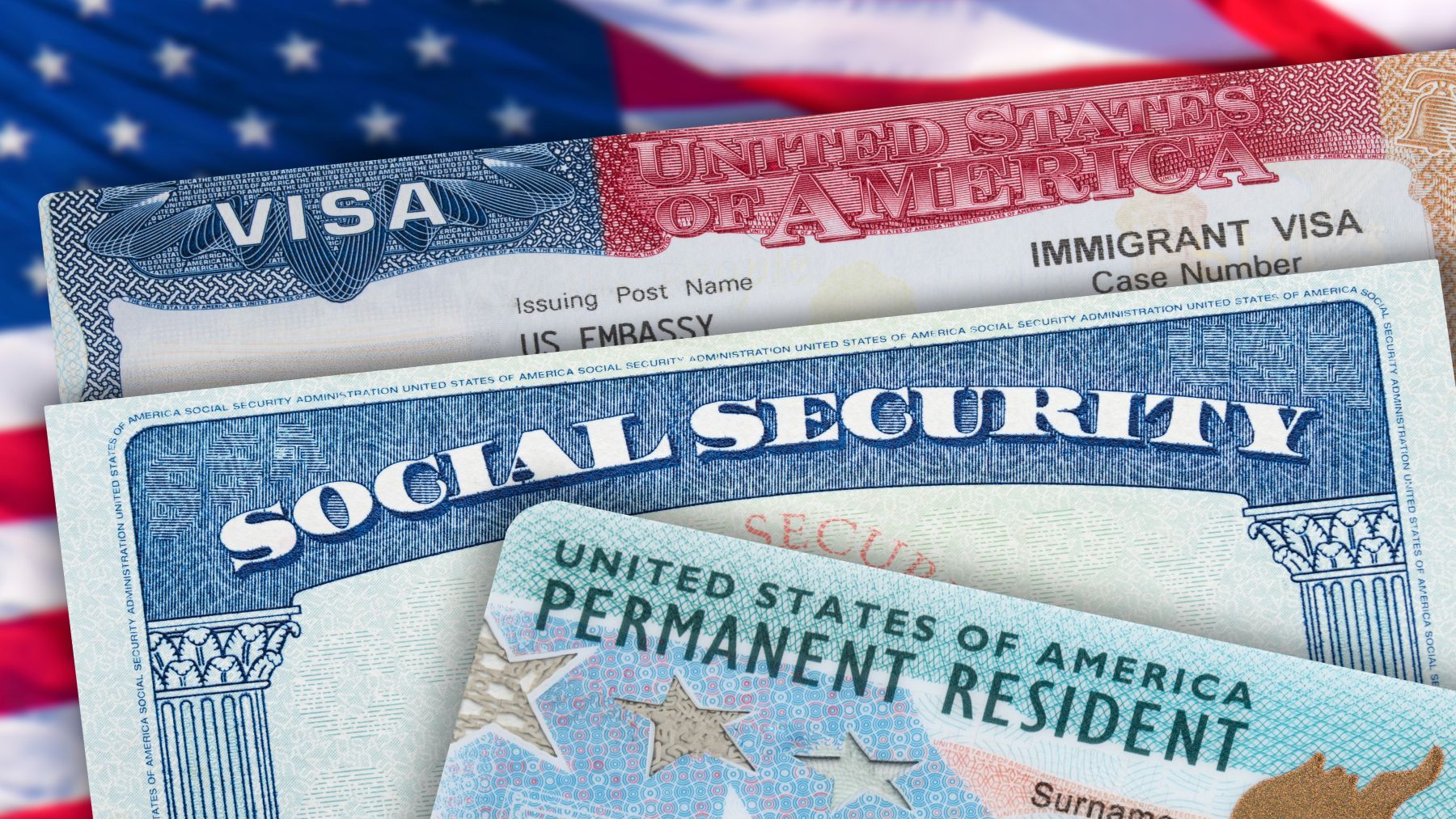
USCIS is eliminating a widely used method for paying immigration fees for applicants. U.S. Citizenship and Immigration Services has published a notice in the Federal Register (FRN) based on the H.R. 1 Reconciliation Act (H.R. 1). This is the direct debit payment method from a U.S. bank account, through which users can conduct transactions directly with USCIS.
Applicants will no longer be able to use a system that was previously common
All of this is intended to prevent fraud. The federal agency announced a method that has already gone into effect and aims precisely at what we previously advanced: speeding up processes and preventing fraud. Therefore, applicants will no longer be able to use a system that was previously common. The United States Citizenship and Immigration Services (USCIS) announced new regulations on fee payments that implement a change in immigration procedures.
It’s important to be properly informed because the process has changed, and the deadlines are fixed
Following the official announcement, applicants applying for visas, US citizenship, green cards, and other visa-related statuses have a new mandatory payment method. It’s important to be properly informed because the process has changed, and the deadlines are fixed. This means that if there’s confusion and the filing deadline is missed, the bureaucracy becomes more complicated.
Without U.S. bank account: users can conduct transactions directly with USCIS
Therefore, the new method involves direct debit payments from a U.S. bank account, through which users can conduct transactions directly with USCIS. To do so, they must complete Form G-1650, Authorization for ACH Transactions, along with their applications. Remember that the fees are a filing fee. The USCIS website specifies all the amounts and warns: “There is only one exception to these fees. If a foreign national applies for an EAD after we approve a new period of re-parole by filing Form I-131, Application for Travel Documents, Re-Participation Permits, and Arrival/Departure Records, the fee will be $275, the lowest fee under H.R. 1.”
A section is included on its official website for people to report suspected scams in immigration processes
According to Matthew J. Tragesser, USCIS spokesperson, “More than 90% of our payments arrive in the form of checks and money orders, causing processing delays and increasing the risk of fraud and lost payments.” The federal agency has focused on combating fraud in its procedures with various warnings. As the agency points out, complaints of mail theft have increased considerably since the COVID-19 pandemic. Regarding this, a section is included on its official website for people to report suspected scams in immigration processes, such as purported professionals posing as officials or legal representatives.
USCIS may reject applications that did not complete the transaction or those for which payment was denied
USCIS also makes it clear that applicants requesting these procedures must verify that their accounts have sufficient funds before making payment. This is essential, as otherwise, USCIS may reject applications that did not complete the transaction or those for which payment was denied.
Finally, the USCIS website highlights that “any foreign national who filed or submits a Form I-589 application after October 1, 2024, and remains in USCIS processing for 365 days must pay the annual asylum fee beginning on the first anniversary of their filing date and then on that date each calendar year thereafter while the application is pending.” It is also a reminder that any foreign national who does not have or cannot access a bank account can use Form G-1450 to pay the corresponding amount using a credit card.




