
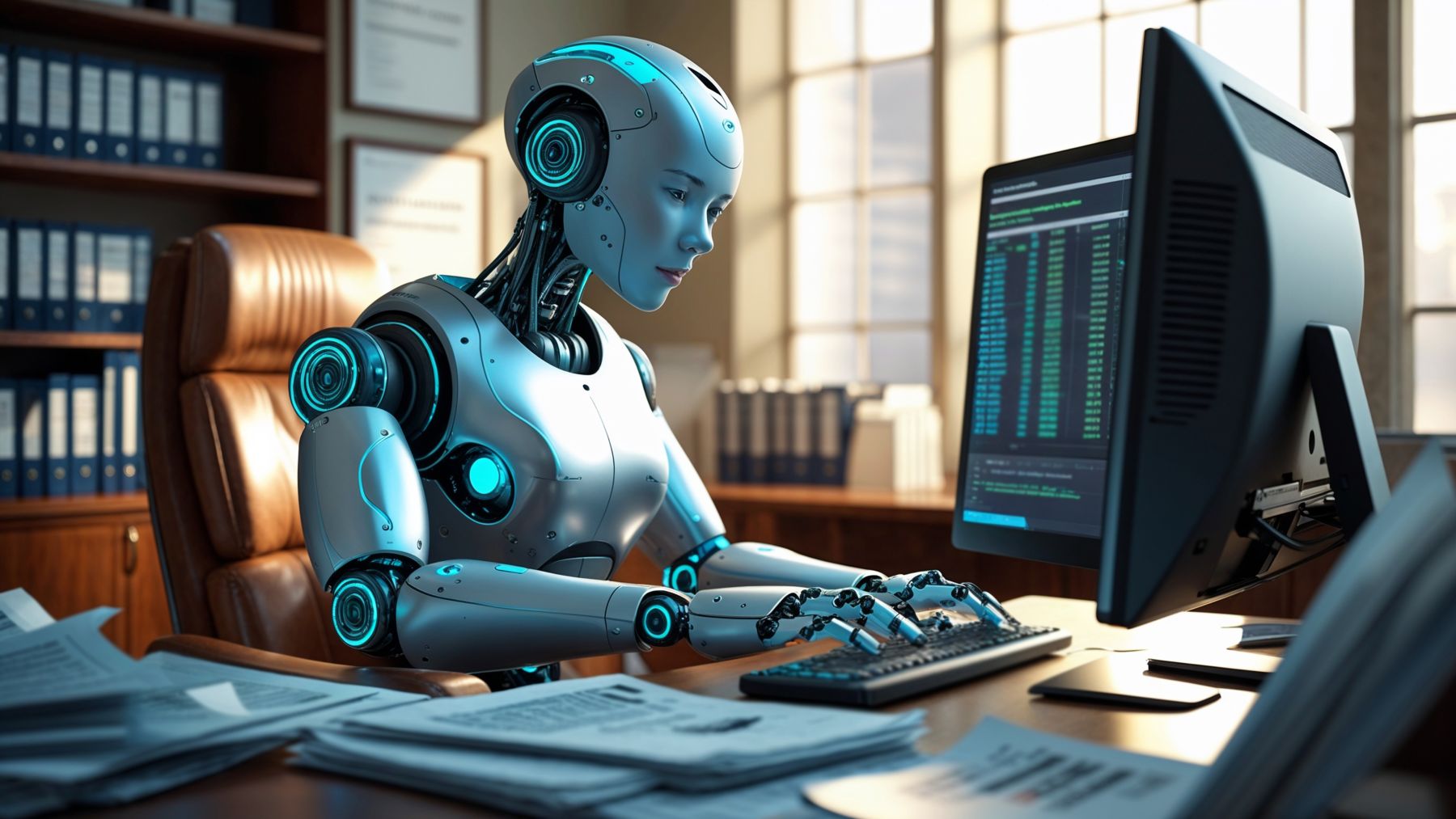
Artificial intelligence is a topic on everyone’s lips these days. Various studies claim that AI will eliminate up to half of office jobs, especially for recent graduates, in less than five years. Dario Amodei, CEO of Anthropic and creator of one of the world’s most powerful artificial intelligences, agrees with those who cling to this assertion. Youth unemployment could skyrocket to 20% between 2026 and 2030.
This is a potential massive job cut in technology, finance, law, consulting, and other professions
The World Economic Forum and the International Monetary Fund agree that around 40% of employers are already considering reducing their workforces, and this technology will have an even greater impact on developed countries. For example, we have seen the Trump Administration restructure to digitalize, which is the first step toward replacing workers with digital means or AI. Amodei insists that artificial intelligence companies and the United States government must stop taking a relaxed and measured view of what is coming. This is a potential massive job cut in technology, finance, law, consulting, and other white-collar professions, especially entry-level positions.
AI is already being tested for tasks previously delegated to juniors: writing code, reviewing contracts, or analyzing data
“We, as producers of this technology, have a duty and obligation to be honest about what’s coming,” the CEO asserted. One recent case study, Salesforce, where CEO Marc Benioff reported that it has laid off 4,000 customer service employees since the beginning of 2025, shows that fears about exponential unemployment are justified. And as experts point out, AI is already being tested for tasks previously delegated to juniors: summarizing reports, writing code, reviewing contracts, or analyzing data.
It’s also advisable to train and turn artificial intelligence into an ally
In any case, it’s important to note that there’s a more optimistic view that believes humans will embrace this technology. That is, that they’ll be able to use it to enhance their skills, optimize workflows and times, and, ultimately, make it work for us instead of the other way around. That they can bring reasoning and common sense to the clear advantages that artificial intelligence offers for solving everyday tasks more efficiently. For this reason, it’s also advisable to train and turn artificial intelligence into an ally. A kind of accessory for solving tasks in a practical way. This would be the best way to survive in the labor market, especially in the context in which we live.
“And if you don’t know how to use artificial intelligence, unless it’s a job where you don’t touch a computer, you won’t be hired”
Major companies such as Meta, Microsoft, Walmart, and CrowdStrike have already cut thousands of positions related to repetitive tasks. Some estimates predict that AI will create around 78 million new jobs worldwide by 2030, but another 92 million will be displaced in the process. And according to LinkedIn, AI is beginning to destroy the lower rungs of the career ladder: those early jobs that allowed for hands-on learning. “We’ll be at a point where everyone will be using artificial intelligence at work,” said Jon Hernández, a Spanish science communicator, adding: “And if you don’t know how to use artificial intelligence, unless it’s a job where you don’t touch a computer, you won’t be hired.”
Being at the forefront is, therefore, a necessity. Especially when it comes to professions that involve being in front of a computer. So, as they say, if you can’t beat the enemy, join him. Clearly, this is one of those situations in which it’s best to adapt to new contexts and new technologies, learn from them, and take advantage of the mechanisms to make our work more efficient.




