
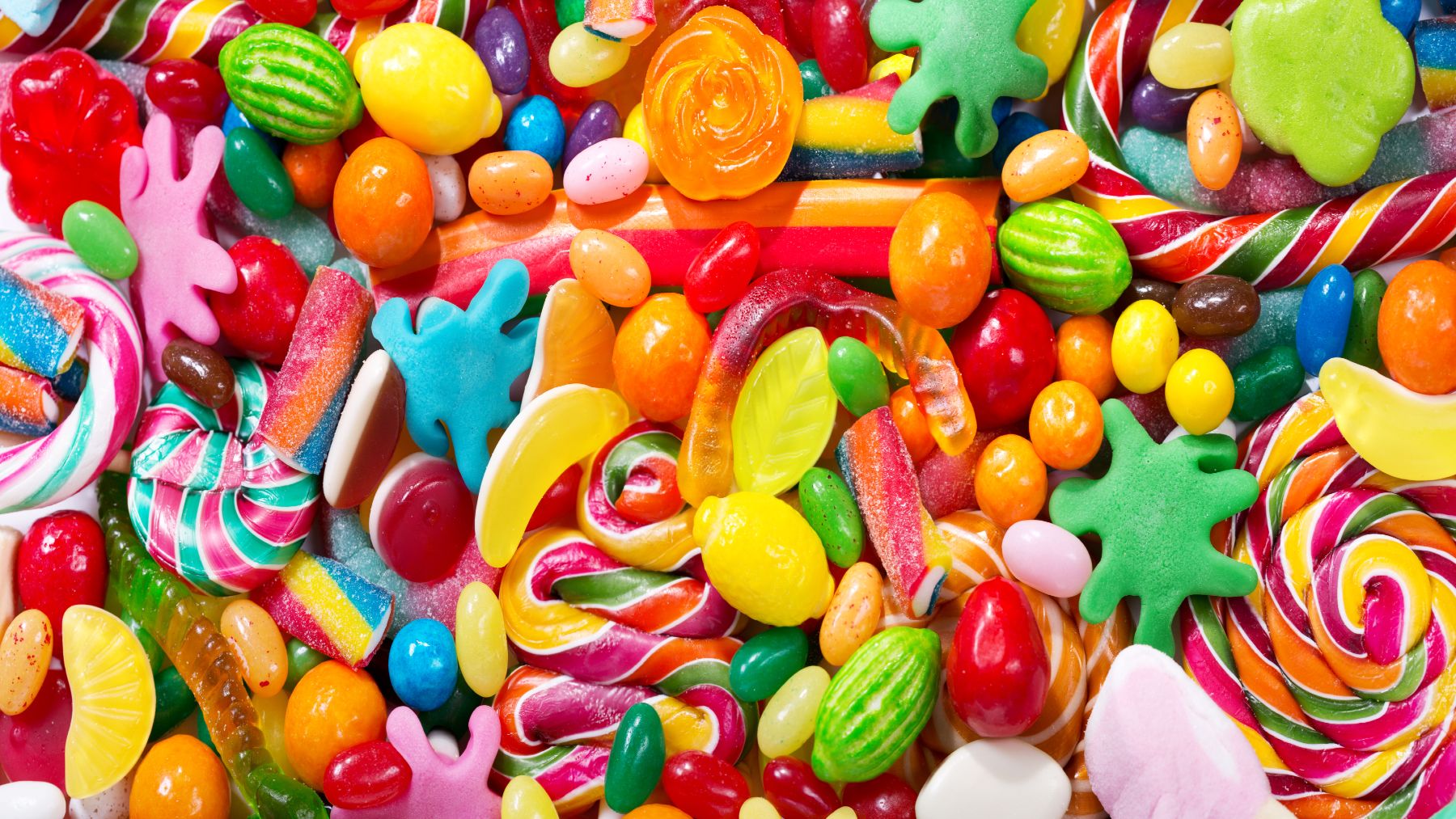
There had already been warnings that SNAP benefits would be controlled. Now, more than 10 states have banned the purchase of junk food with SNAP EBT cards, also known as food stamps. The Supplemental Nutrition Assistance Program (SNAP) is an initiative offered throughout the United States. Through a card that functions like a debit card, the government provides a sum of money that can be spent exclusively on food at supermarkets. Given the data on obesity and food quality in the United States, the government has decreed that it will begin to select the types of food that can be purchased with these cards.
Starting in 2026: Arkansas, Idaho, Indiana, Nebraska, Iowa, and Utah
The states that have accepted the restrictions and, therefore, will not be able to buy candy or soft drinks starting in 2026 are Arkansas, Idaho, Indiana, Nebraska, Iowa, and Utah. These states join Nebraska, Iowa, Colorado, Florida, Nebraska, Oklahoma, West Virginia, Louisiana, and Texas. If you live in one of these states, you can continue to buy food from now on, but not junk food, as it is colloquially known.
The goal is to get American families to start eating healthier, including fruits and vegetables and not so much pre-cooked or fast food. Through the Make America Healthy Again initiative, the United States Department of Agriculture (USDA) has allowed exceptions for the SNAP program, which allows certain states to exclude certain items from the list of permitted foods. The goal is to encourage those who access this aid to buy nutritious foods. Remember, this aid is intended for low-income people who need extra help to make ends meet and meet a basic need.
Prohibition: snacks such as chips, cookies, and other packaged snacks, as well as convenience frozen foods
In addition to the basic prohibitions mentioned above, the following foods also prohibited include soft drinks and non-alcoholic beverages, including regular, diet, and carbonated soft drinks; hard candy, chocolate bars, chewing gum, and other treats; some snacks such as chips, cookies, and other packaged snacks, as well as convenience frozen foods. Aside from the aforementioned, SNAP or EBT cards also prohibit the purchase of cigarettes, vitamins, medications and supplements, live animals, foods that are heated at the point of sale, and any non-food items.
The foods that can be purchased are those approved in the nutritional tables. These include fruits and vegetables, meats, dairy products, breads and cereals, other foods such as non-alcoholic beverages, as well as seeds, plants, and other spices that complement home meals.
Regional Offices should ensure their state agencies are informed of these changes
According to official data, the maximum allotments will increase for the 48 States and D.C., Alaska, Guam, and the U.S. Virgin Islands. The maximum allotment for a family of four in the 48 States and D.C., will be $975. Maximum allotments for a family of four will range from $1,258 to $1,953 in Alaska. The maximum allotment for a family of four will be $1,437 in Guam and $1,254 in the U.S. Virgin Islands. The maximum allotment for a family of four in Hawaii will decrease to $1,723. The minimum benefit for the 48 States and D.C. will remain the same at $23. If you want to see all the details, please consult the official websites of the Government or, failing that, of the specific state in which you reside.
Always, if you have any questions, the most important thing is to check the official government websites to stay informed as best as possible. “Regional Offices should ensure their state agencies are informed of these changes. State agencies with questions about these adjustments should contact their respective Regional Office representatives,” the Food and Nutrition Service states.




