
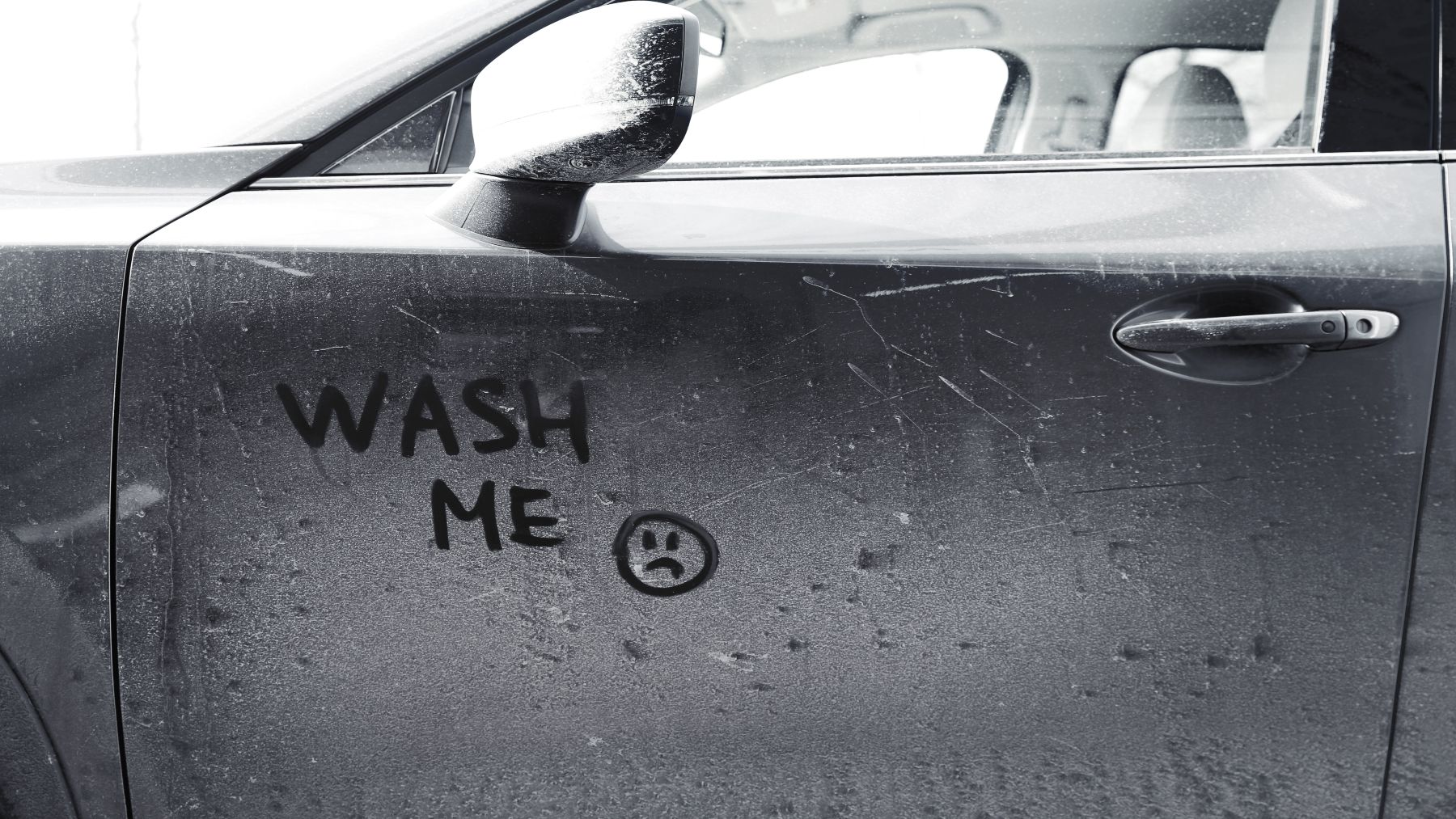
According to experts, having a dirty car can be associated with the owner’s personality, with the way they present themselves to the world. Some experts suggest that having a dirty car can lead to low self-esteem or a feeling of low self-worth. A small habit becomes a tool to take care of not only our surroundings but also our emotional balance.
Lack of organization and a tendency to procrastinate are manifested in behaviors such as not cleaning the car
Carelessness or disinterest are two adjectives that experts tend to associate with this behavior. According to the specialized website Working with ACT, not washing your car frequently can go beyond a simple matter of time or convenience. Lack of organization and a tendency to procrastinate are manifested in behaviors such as not cleaning the car, frequent forgetfulness, or general disarray. Because it’s something that can be put off, something that isn’t urgent, it ends up becoming an emotional mess that can influence other aspects of life.
When we talk about emotional clutter, we’re referring to that thought that becomes embedded in our minds, as our subconscious knows we need to wash the car, but we still find ourselves unable to do it. This way of acting, when repeated in our daily lives, becomes a clue as to how someone faces their responsibilities and the place they give to order in their daily life. Therefore, this small act isn’t just an aesthetic disorder (for the car) but a reflection of a deeper internal (personal) disorder.
What may seem trivial may actually be a silent sign of what’s happening on an emotional level
In this sense, psychology experts say that the accumulation of dirt, neglect of cleaning routines, or indifference to one’s exterior condition can be signs of emotional exhaustion or a stressful lifestyle. In other words, every time cleaning or maintenance is ignored, the car becomes a mirror of the person’s relationship with themselves and their responsibilities. So what may seem trivial, an unimportant feature, may actually be a silent sign of what’s happening on an emotional and personal level.
There are many factors that can lead to a dirty car and people hiding behind the “I don’t have time” mentality. Typically, these behaviors are caused by people with hectic lifestyles, work overload, or unresolved personal conflicts. These people tend to neglect everyday aspects, and the car is often one of the first visible signs of this wear and tear. The car is a material thing, but as part of our environment, it ends up reflecting our own mood.
A sense of having done what we had to do, which can be an essential emotional reward
In these types of situations, which can harbor deeper feelings and emotions, experts advise setting goals. For example, washing the car every two weeks. Make it a priority in our calendars, so we try not to skip it, and we can also gain a sense of having done what we had to do, which can be an essential emotional reward in certain cases.
In short, having a dirty car can be a symptom of many things. Here we address the most worrisome ones, such as time management issues, low self-esteem, and difficulty organizing and prioritizing. On the other hand, there’s a high level of stress, which can impact both car cleanliness and your personal and professional life. And then there’s procrastination, the act of putting off tasks, which translates into unstructured habits and a lack of daily discipline.
In order to maintain a balanced life, it’s advisable to consult a specialist if you experience any divergent emotional symptoms. The internet doesn’t usually have the answer to every question, and when it comes to human beings, everything tends to be more complex. Therefore, if you have any questions, it’s best to consult a doctor who can provide tools to help you process certain emotions or specific situations.




