
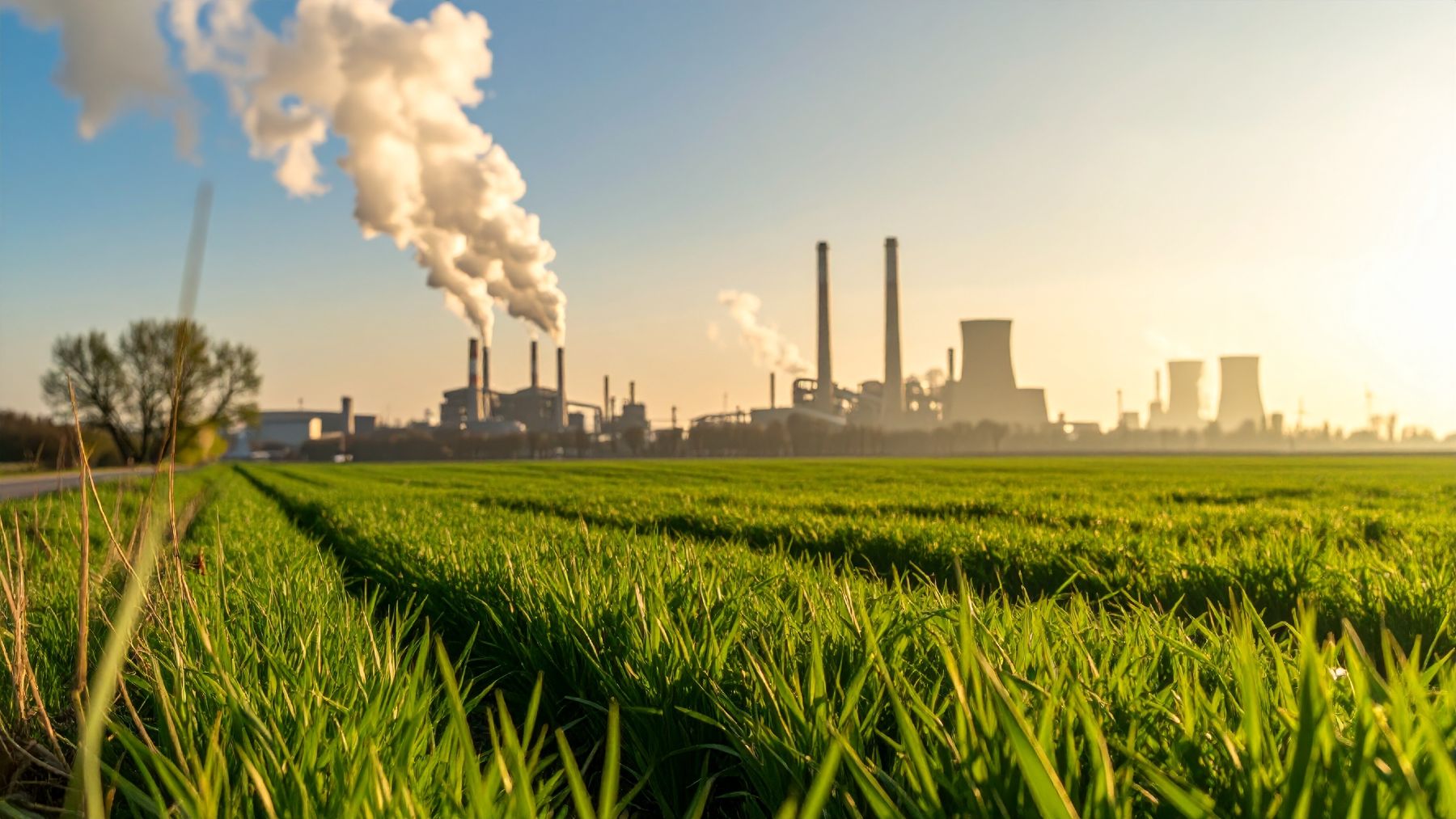
Pollution is a problem that affects society in all its forms. It affects not only the air we breathe, especially in large cities, but also the food we eat. Recent studies have shown how certain foods contain microplastics that are undetectable to humans. One of the greatest enemies of crops is also tropospheric ozone, an atmospheric pollutant that, along with suspended particles, damages plant leaves and impairs their ability to grow and produce fruit. In other words, pollution greatly affects food.
With massive food production, it’s imperceptible that certain microplastics can infiltrate the food we eat
Some studies have shown that certain air pollutants can reduce the nutritional value of staple foods such as rice and corn, exacerbating malnutrition problems in vulnerable populations. With massive food production, it’s imperceptible that certain microplastics can infiltrate the food we eat. This deterioration translates into a significant reduction in the quality of cereals, fruits, and vegetables, affecting both the quantity of food available and their nutritional properties. Therefore, it’s important to take these factors into account when purchasing products.
Particles into the water: the average citizen cannot realize this if they are not informed or properly informed
In addition to this, there are some foods in which microplastics are present, such as tea bags. Although many of us think they’re made of paper, the truth is that most small tea bags are made of plastic. Scientific studies conducted in Canada reported that a single infusion made with a tea bag releases millions of microplastic particles into the water, which we then drink without even considering the consequences. This is normal, however; the average citizen cannot realize this if they are not informed or properly informed.
The problem: The release of heavy metals like lead, cadmium, and mercury can persist for decades
Both packaged foods sold in supermarkets, as well as fruits and vegetables, can contain microplastics. Produce is constantly exposed to air pollutants, industrial chemicals, and agricultural waste. The release of heavy metals like lead, cadmium, and mercury contaminates farmland, and once present in the soil, these toxic elements can persist for decades, affecting generation after generation of crops. Once the roots of crops are exposed to this type of contamination, it’s difficult to get rid of these components. Especially since it’s not certain whether the entire crop has been exposed or not.
Ocean’s pollution: Humans are more aware of the amount of plastic waste that ends up in the planet’s waters
Specifically, speaking of roots directly, experts talk about a serious problem: bioaccumulation. When plants absorb pollutants through their roots or even their leaves, these substances become embedded in plant tissues. When ingested by animals and, ultimately, by humans, they enter the food chain, multiplying their impact. The same thing happens in the oceans. Perhaps in this sense, humans are more aware of the amount of plastic waste that ends up in the planet’s waters. For this reason, the fish and shellfish we eat may contain small fragments of this material in their bodies, which end up in our digestive systems.
Experts assure that the continued consumption of contaminated food can contribute to neurological problem
Obviously, the immediate consequences of this are on our health. Experts assure that the continued consumption of contaminated food can contribute to neurological problems, cardiovascular disease, kidney damage, hormonal disorders, and an increased risk of cancer. That’s why it’s important that we help prevent planet pollution by taking the necessary measures at home. Don’t litter, don’t pollute beaches, recycle…




