
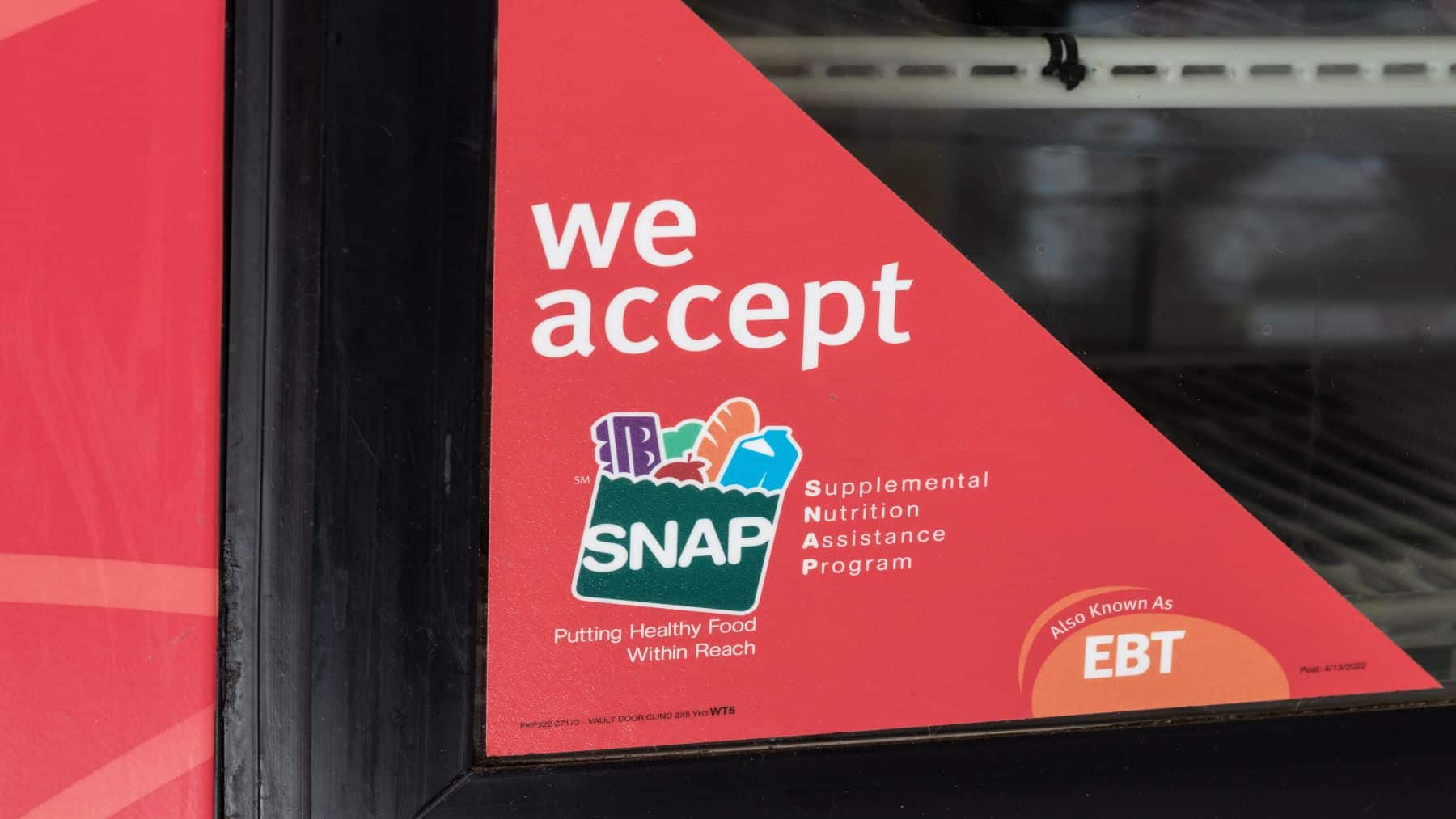
The government shutdown is having consequences that directly affect the population. More than 42 million people could lose their SNAP payments in November if the federal government shutdown continues in the United States. The partial shutdown of the U.S. government, now in its fifth week, could disrupt this essential aid for low-income families.
The USDA warned that if Congress doesn’t approve new funding soon, the SNAP food stamp program could be suspended
The organization Share Our Strength has raised the alarm about this major problem. And it wasn’t just this organization; the Department of Agriculture (USDA) warned that if Congress doesn’t approve new funding soon, the SNAP food stamp program could be suspended. According to Anne Filipic, director of Share Our Strength, for the first time in SNAP’s history, “nearly 42 million Americans, including almost 16 million children, are at risk of losing their food benefits if the November SNAP payments aren’t issued.” This is a very worrying figure.
States could face delays in issuing payments, affecting millions of households just before Thanksgiving
The Department of Agriculture has been clear and has stated unequivocally that it will suspend SNAP benefits in November if the government shutdown continues. The agency also indicated that states could face delays in issuing payments, affecting millions of households just before Thanksgiving, one of the most important dates on the American calendar. And let’s remember that even if this partial government shutdown ends in a week or in the coming days, payment delays will still be a reality.
Concern for families who will not be able to receive this aid or who will see it delayed
Regarding this point, Filipic stated that there is a contingency fund of between $5 billion and $6 billion for situations like these, which would prevent SNAP beneficiaries from being negatively impacted. In any case, the director also insists that the USDA “must act immediately to release those funds and transfer the available funds to SNAP,” precisely because of the concern for families who will not be able to receive this aid or who will see it delayed.
With less assistance, families will be able to make fewer purchases, and local businesses will have less income
The impact of these aid payments not arriving will be felt in the local economy. With less assistance, families will be able to make fewer purchases, and local businesses will have less income. Without demand, the economic cycle stops. In New York, for example, where nearly three million people depend on this program, a family of four can receive up to $994 per month. Speaking of states with high per capita income, in California, nearly five million beneficiaries are at risk of not receiving their food stamps on time. Meanwhile, in Illinois, more than two million people could be affected.
This also worries other organizations that help the most vulnerable, such as food banks
The impact will be devastating if this situation continues. We must remember that those who rely on food assistance are people with serious difficulties meeting basic human needs. This also worries other organizations that help the most vulnerable, such as food banks, because if SNAP benefits are suspended, these families will turn to places where they can access food, creating a very high demand in a sector that is already struggling to keep up.




