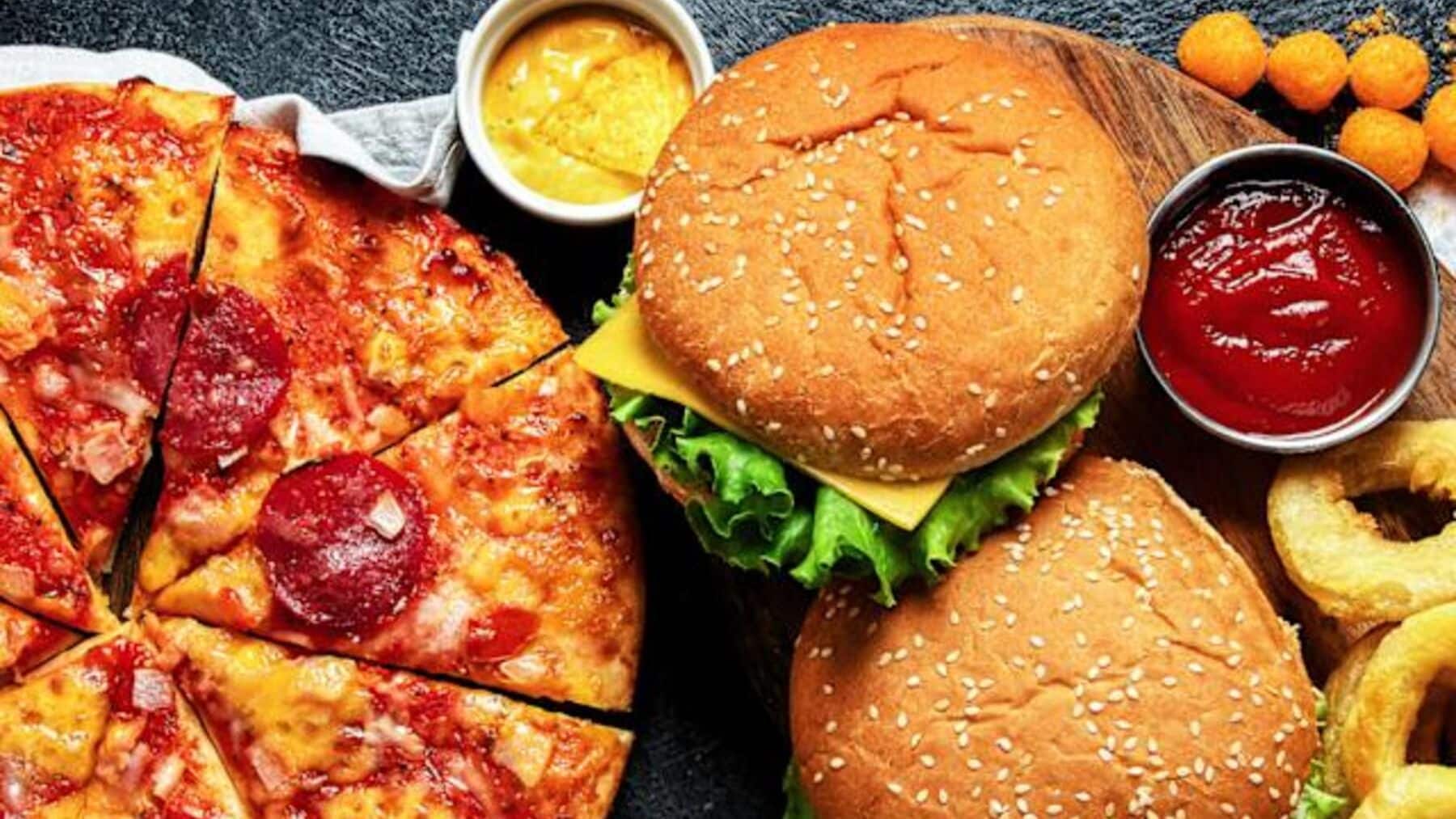
Ultra-processed foods, according to the Centers for Disease Control and Prevention (CDC), are harming public health. Dr. Carlos Monteiro, creator of the NOVA system, states that these foods are not beneficial at all. Likewise, Imperial College London and The BMJ link the consumption of ultra-processed foods to the risk of obesity, cancer, and even type 2 diabetes. Although the American Heart Association (AHA) emphasizes that some ultra-processed foods may be included as part of a healthy diet, it stresses the need to bear in mind that they should be consumed sporadically and in minimal quantities. Read on to learn more.
Warning from health experts
Health professionals have been warning about ultra-processed foods for some time. However, what are they and why are they so bad for our health? Health experts have been advicing about ultra-processed foods for some years, in specific as they are making up more of our diets. The Centers for Disease Control and Prevention reported earlier this year that kids 18 and younger are getting 62% of their daily calories coming from ultra-processed foods.
These foods are high in fat, sugar, and salt and can be the reason of why people is consuming more calories than they need per day. This is the main reason of why several health issues can lead to early mortality. Whereas eating right can tack an extra ten years of longevity according to some investigations.
What to know about ultra-processed foods
Nutrition researcher Dr. Carlos Monteiro, who coined the term ultra-processed food in 2009, explained to CNN that “they are formulations of often chemically manipulated cheap ingredients such as modified starches, sugars, oils, fats, and protein isolates, with little if any whole food added.”
Monteiro carried out the NOVA system which organizes foods into four categories which are as follows:
- Unprocessed or littlest processed foods: fresh fruits, vegetables, grains, legumes, nuts and seeds, animal proteins, eggs and milk.
- Processed culinary ingredients: plant oils, animal fats, natural sugars, and salt
- Processed foods: canned goods, salted meats, fermented beverages
- Ultra-processed foods: Sugar sweetened beverages, sweet and savory packaged snacks, reconstituted meat products, preprepared frozen dishes, canned and instant soups, chicken nuggets, and ice cream
The reasons you should avoid ultra-processed foods
Several studies have proved that the growth consumption of ultra-processed foods can lead to a higher risk of developing cancer and early mortality. Within the achievements of one by the Imperial College London’s School of Public Health, which looked at the risk of developing 34 types of cancer, two that stood out were ovarian and brain cancers.
Other increased health effect dangers from consuming ultra-processed foods according to a investigation by The BMJ included these ones:
- Obesity: 55%
- Type 2 diabetes: 40%
- Cardiovascular disease related mortality: 50%
- Heart disease related mortality: 66%
- Anxiety: 48%
- Depression: 22%
- Sleep disorders: 41%
Are any ultra-processed foods acceptable?
The American Heart Association released new guidelines for ultra-processed foods in August. It stated that “not all UPFs are harmful” but the list was pretty limited. It underlined that “certain whole grain breads, low-sugar yogurts, tomato sauces, and nut or bean-based spreads are of better diet quality.”
The AHA though recommended further controling of these products and that they should be “reformulated if future data show harm to overall health.”
Use an app to know how processed your food is
So, if you’re looking to decrease ultra-processed foods but don’t know where to start, carefully revise the ingredients on the packaging of a product before you buy.
Some of the lettering on packaging might be so hard to read, so an alternative is to use the free UPF scanning app Processed (available through App Store and Play Store) by scanning the barcode or ingredients list of any food product with your mobile phone. In one second, you will get a result to aid you determine the processing level of your food.