
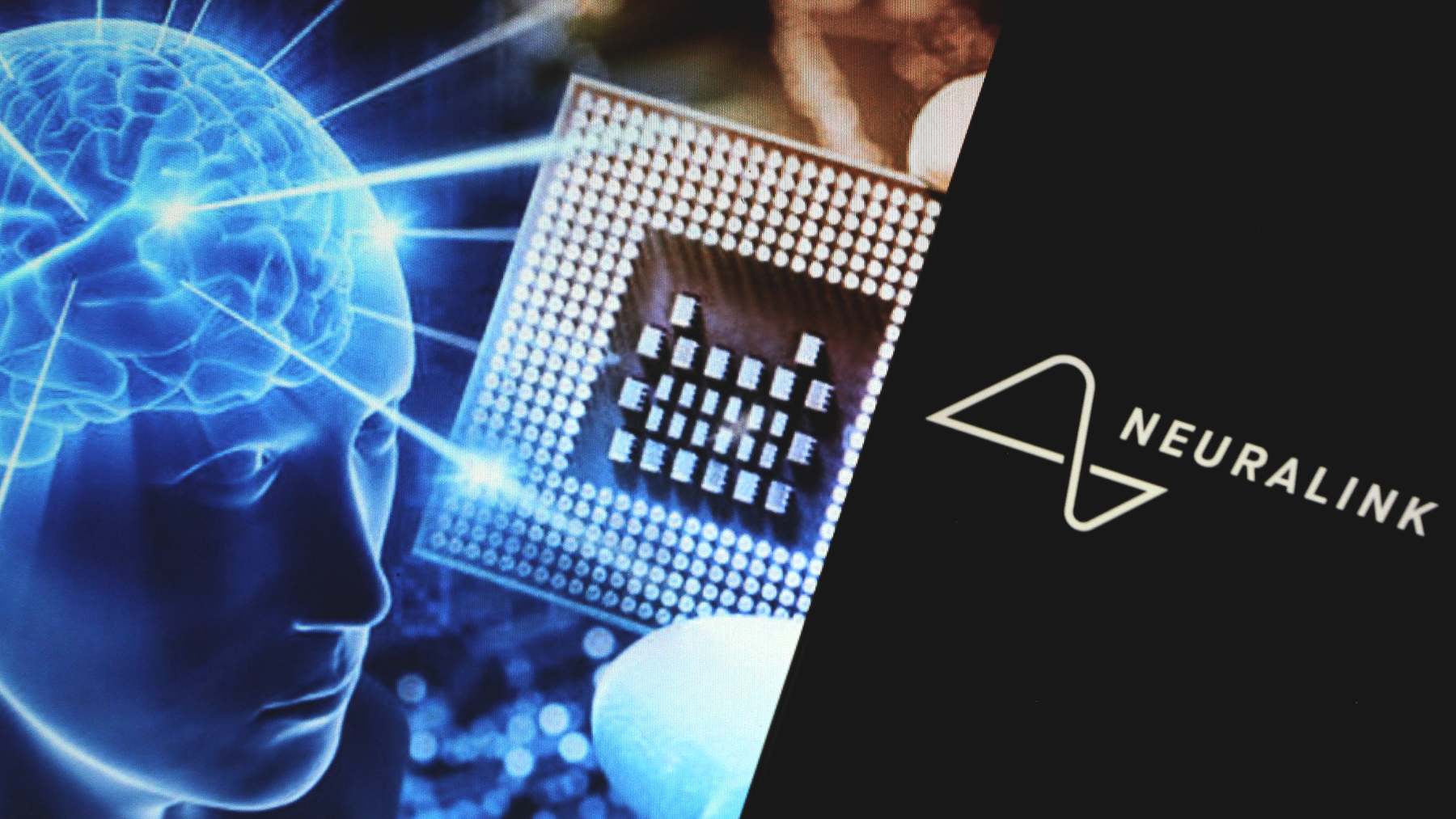
When Noland Arbaugh awoke from the surgery that would change his life, he did so with an idea as strange as it was revealing: he could move the cursor on the screen without moving a single muscle, thanks to the Neuralink invention from Elon Musk. Just by thinking about it. That tiny gesture-intuiting the movement of a no-longer-responsive finger-had opened a new door at the threshold of human technology. At just 30 years old and after eight long years of total paralysis from the neck, Arbaugh became the first human being to be implanted with a chip from Neuralink, Elon Musk’s neurotech company.
While not the first device of its kind – other companies such as Synchron have already developed similar technologies – Musk’s involvement with Neuralink has brought extraordinary visibility to this case. Noland, however, is the first to tell us that not a celebrity or even the alluring appearance of the tech tycoon matters here. He asserts that the ability of science to transform lives is what is truly important.
Elon Musk’s Neuralink invention has changed the life of the first patient in the US
This implanted chip is the result of decades of research in the field of brain-computer interfaces (BCI), not magic or science fiction. It can read the little electrical signals produced by motor thoughts and convert them into digital commands. The Neuralink implant is made up of a chip that is around 23 mm in diameter and 8 mm thick. It has 1,024 electrodes that are spaced out along incredibly thin, flexible wires. A specialized surgical robot, which can implant up to six wires per minute with millimeter precision, inserts these wires into specified brain regions.
After the electrodes are implanted, the chip interprets the electrical signals from the neurons and sends them wirelessly to external devices, enabling the user to operate digital interfaces with their thoughts. Moreover, Noland has resumed his writing, internet browsing, and—perhaps most importantly—playing video games and chess with his pals, which he had abandoned following his 2016 diving accident. According to Noland, he was stripped of his independence and privacy. Based on the information from the BBC, the ability to run a computer with thought is a method to reclaim autonomy, dignity, and voice, rather than a futuristic gimmick for conquering the learning curve.
It hasn’t been an easy or shadow-free journey, though. The gadget malfunctioned once, and Noland was unable to operate his computer. The chip’s partial detachment from his brain caused him to experience unanticipated distress. Thankfully, the engineering team made software adjustments that restored and even enhanced the link. In a time when ideas can be turned into data, Neuralink and its counterparts in other businesses raise important questions regarding privacy and ethical limits. Anil Seth, a neuroscientist at the University of Sussex, cautions that when we let technology govern our brain activity, we forfeit not just our control but also our thoughts, feelings, and beliefs.
The future of Neuralink and other competitors that want to change people’s lives
The possibilities are vast. Other companies have developed less intrusive devices that travel to the brain through veins in the neck, such as Synchron. One user has even been able to use the implant in conjunction with Apple’s Vision Pro glasses to experience virtual landscapes, mentally visiting waterfalls and mountains that his legs could not reach. But Noland has a deadline: six years of Neuralink research. After that, his future in technology is unclear. Will the chip be removed? Will an updated version be installed? There are many questions, but he doesn’t feel overwhelmed. Despite the setbacks, difficulties, and uncertainties along the way, he is determined to be part of this story.




