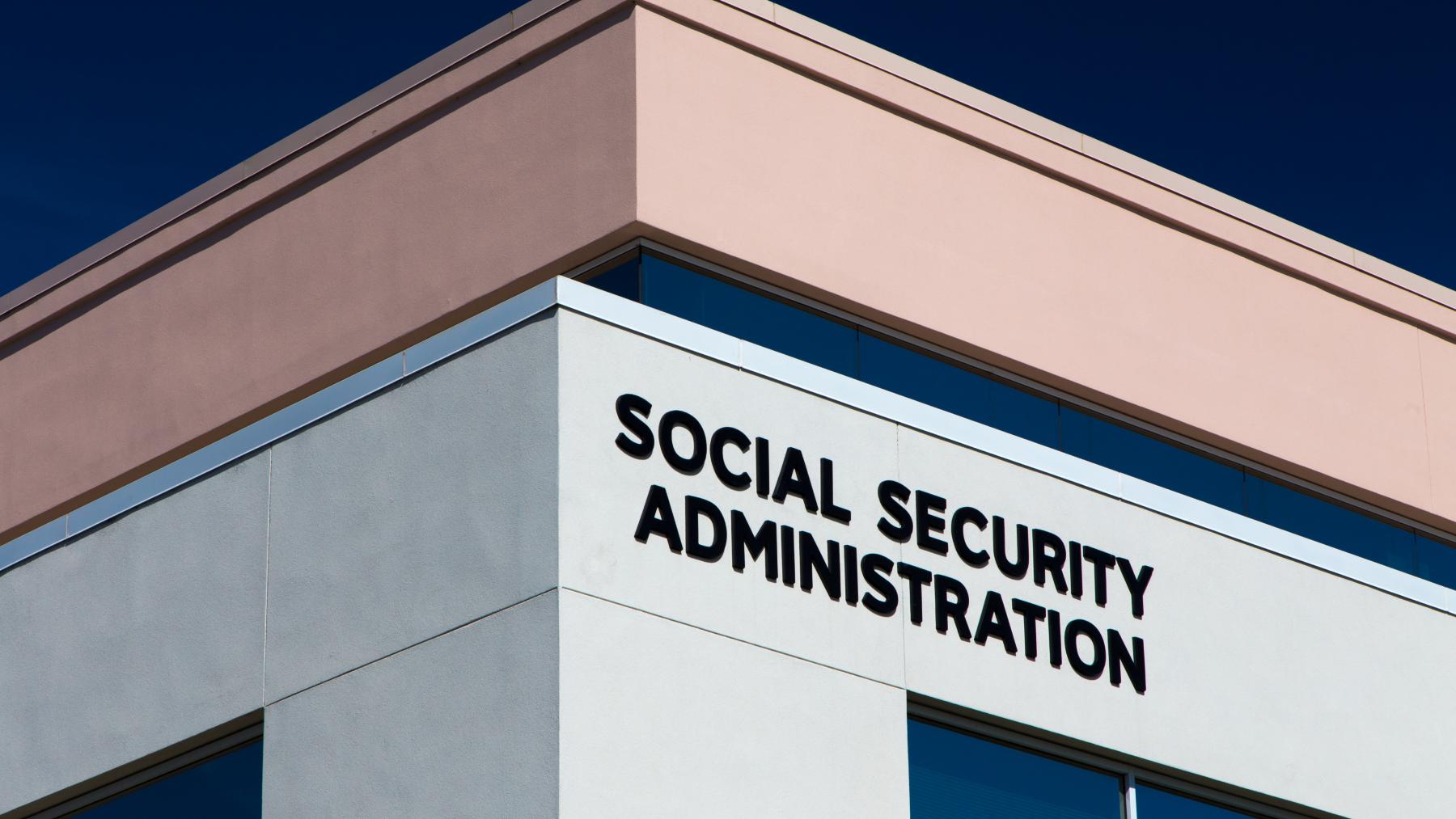
Social Security, as much of the country knows it, is about to change. And we are not talking about a simple adjustment or a one-time improvement. No. This goes beyond that. It is a full-blown restructuring that will affect many offices across the country. The change does not come alone but is part of a much bigger plan that has come out of the DOGE, a department that has not been in place that long but is already beginning to make its mark. The curious thing about all this – and perhaps the most talked about – is that DOGE is not just any agency. It’s run by Elon Musk. Yes, that’s right. Under his leadership, this office has set out to tighten the screws on government spending, cut what’s left over, and, they say, make everything work better.
What Americans need to know about the Social Security office closure
Reviewing every lease that the government holds for Social Security offices has been one of its initial goals. What was the outcome? A list of closings that are beginning to get noticed. Furthermore, a large number of those offices are Social Security offices. Although there is no formal list of precise criteria or magic formula, something is known. The DOGE appears to be primarily targeting offices with leases that are due to expire. It also checks to determine whether there are other branches close by, if they don’t service many customers, or if maintenance expenses exceed revenue.
Naturally, however, the part they play in your community is not always taken into consideration while making these judgments. They won’t all shut down at once, which is the problem. It isn’t like flipping a switch. While some offices are not yet set to close, others are. One thing is for sure, though: many will cease operations from April to September. When those offices are located in areas with no close alternatives, it becomes problematic. Imagine being a resident of a town that relies on these services and then having to drive hundreds of kilometers for a task that you might have completed in ten minutes.
What’s going on with the Social Security system of care
The states that are most impacted are North Carolina, North Dakota, Nevada, New York, Ohio, Oklahoma, Texas, West Virginia, Wyoming, Arkansas, Colorado, Florida, Georgia, Kentucky, Louisiana, Mississippi, Montana, and North Dakota. For instance, the office at 4740 Dairy Road in Melbourne, Florida, is set to close on May 16, 2025. Many people become concerned at this point. While Social Security has been providing telephone support and digitizing its services for years, not everyone has equal access to these services.
Older adults who are not tech-savvy exist. Or individuals without a computer. Maybe they just want to speak with someone in person, especially when it comes to delicate topics like retirement, disability benefits, or any urgent process. Because there are fewer offices, everything is centered in the ones that remain open. And that may result in crowding. More calls going unanswered, longer lines, and never-ending wait times. It is possible to observe collapse even in digital channels. One fast process can turn into a headache.
Every office has employees working behind it. People with regular schedules, families, and salaries. Furthermore, a large number of them are currently unsure of their employment prospects. Even though the precise number of layoffs has not been verified, it is obvious that a shutdown entails a decrease in the workforce. Some employees might be moved to different offices. However, some will just quit the system. The fact that this is not an isolated instance must be recognized. The current state of Social Security is only one aspect of a much bigger scheme.
The DOGE is making cuts to several federal agencies, including Social Security, as the stated objectives are to reduce expenses, increase efficiency, and get rid of structures that are no longer deemed required. The reality is that there is already movement in the states that are impacted. Users are being cautioned by the offices, who are urging them to bring forward processes or seek alternative methods of attendance. In the meantime, there are increasing calls for a reassessment of the proposal. Not everything should be boiled down to numbers or lease agreements. It is important to consider the actual effects on people.