
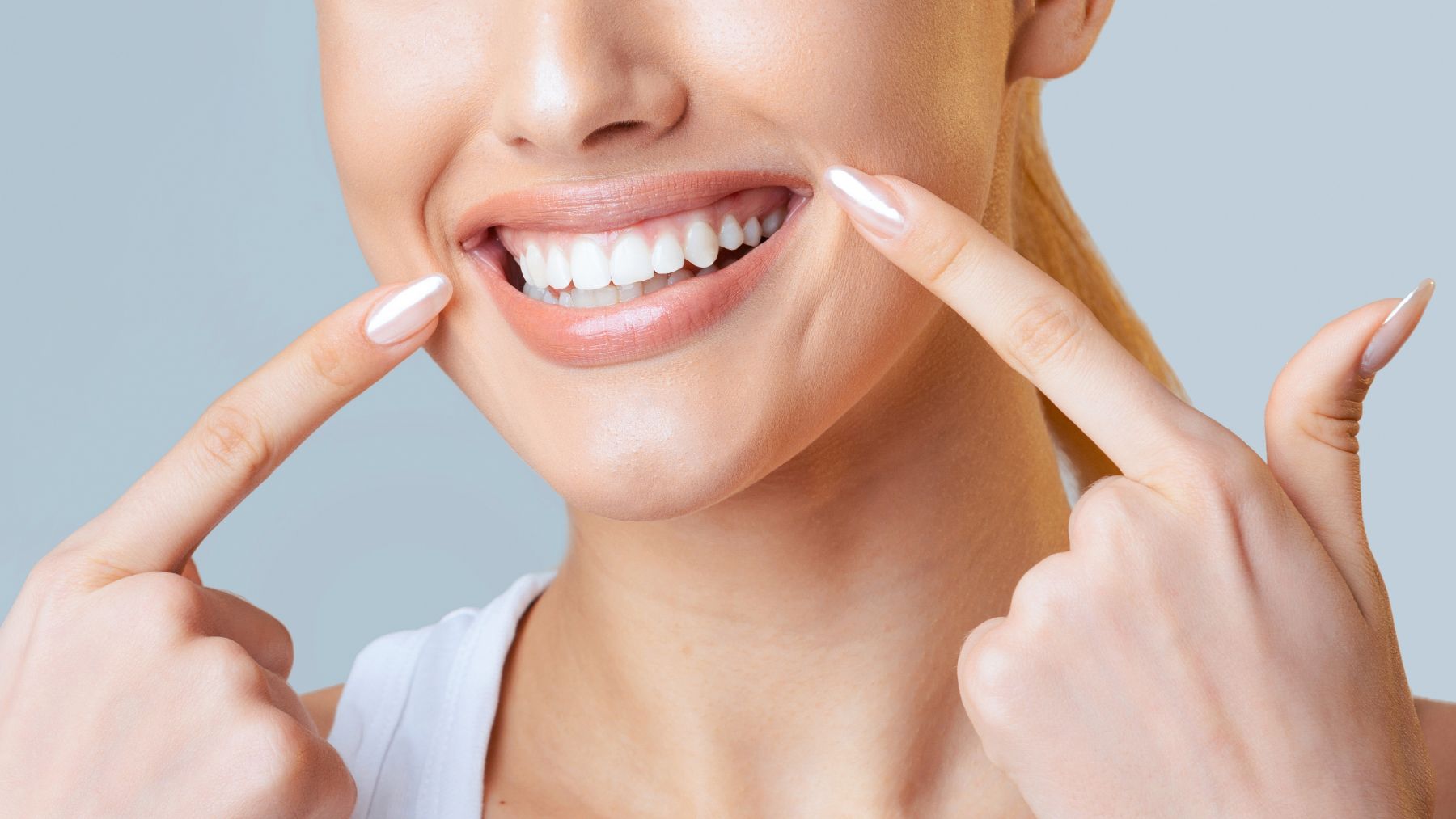
Using the proper cleaning supplies that professionals prescribe will make taking care of your teeth at home quite easy. Nevertheless, some methods may be damaging to enamel and abrasive. Since teeth whitening is a quick and affordable choice these days, dentists stress cautioning consumers about substances that should not be utilized. While there are numerous at-home teeth-whitening techniques available, not all of them are advised. Certain procedures should be avoided, according to dentists, since they can cause significant harm to tooth enamel.
This is why you shouldn’t use baking soda or miracle products to whiten your teeth
Over time, it is very typical for stains to emerge and for the color of teeth to alter. Generally speaking, this condition is prevalent as we age, leading many people to employ practices that are harmful to their oral health. However, to prevent harming the teeth and enamel, dentists advise against the following practices:
- Excessive baking soda use can damage enamel.
- Lemon and vinegar are two acidic compounds that can wear down teeth.
- Activated charcoal: This component has not been scientifically proven and may be abrasive.
According to dentists, these at-home teeth-whitening techniques may lead to enamel issues. Thus, you won’t be able to maintain the health of your mouth over time or whiten your teeth. It is advisable to go to specialists who do teeth whitening correctly if you want to whiten your teeth. There are no miracle substances, and over time, they might harm your enamel and result in more issues than they solve. It is therefore wise to heed the advice of dentists, who will tell you how to best maintain your dental health. Professional whitening in clinics is the greatest option since they will adjust to your demands and achieve your goals.
Additionally, there are fluoride-containing whitening toothpastes that experts recommend, albeit they are less effective. These can produce positive long-term effects by progressively lightening the color of your teeth. Your gums and teeth won’t be harmed in the process. Lastly, they advise keeping your teeth clean to preserve their natural color. Although not everyone will benefit from this, it is worthwhile to maintain their health by following a suitable cleaning procedure every day. In any event, we suggest that you speak with a dentist to learn all of the ways you can whiten your teeth without compromising the integrity of your tooth enamel.
Here are the most efficient ways to whiten teeth, according to dentists
Brushing twice a day can eliminate surface stains and prevent yellowing, but teeth whitening is the most effective way to achieve whiter and brighter teeth, and there are several ways available. Dentists such as Dr. Ashish Kakkar, senior consultant in dental surgery at Indraprastha Apollo Hospitals, discussed the best ways to whiten teeth and the steps involved in the procedure in an interview with HT Lifestyle. Here are some of the most suggested techniques, which range from over-the-counter whitening solutions to professional whitening choices like whitening trays:
- Professional in-office whitening: Dr. Ashish Kakkar explains that a dentist uses bleaching agents like hydrogen, carbamide, or urea peroxide, often activated with laser or LED light, to lighten teeth by several shades in one session, ideal for fast results and deep stains like coffee, wine, and smoking.
- Whitening toothpaste: The product, which contains silica abrasives and hydrogen peroxide or carbamide peroxide, works well for surface stains but not for deep discoloration and may require weeks of constant application.
- Whitening strips: Crest makes thin, flexible strips covered with peroxide-based gel, which are available in the United States but not in India. Wearing these strips for 30 minutes every day will lighten teeth by a few shades, but they may cause temporary irritation.




