
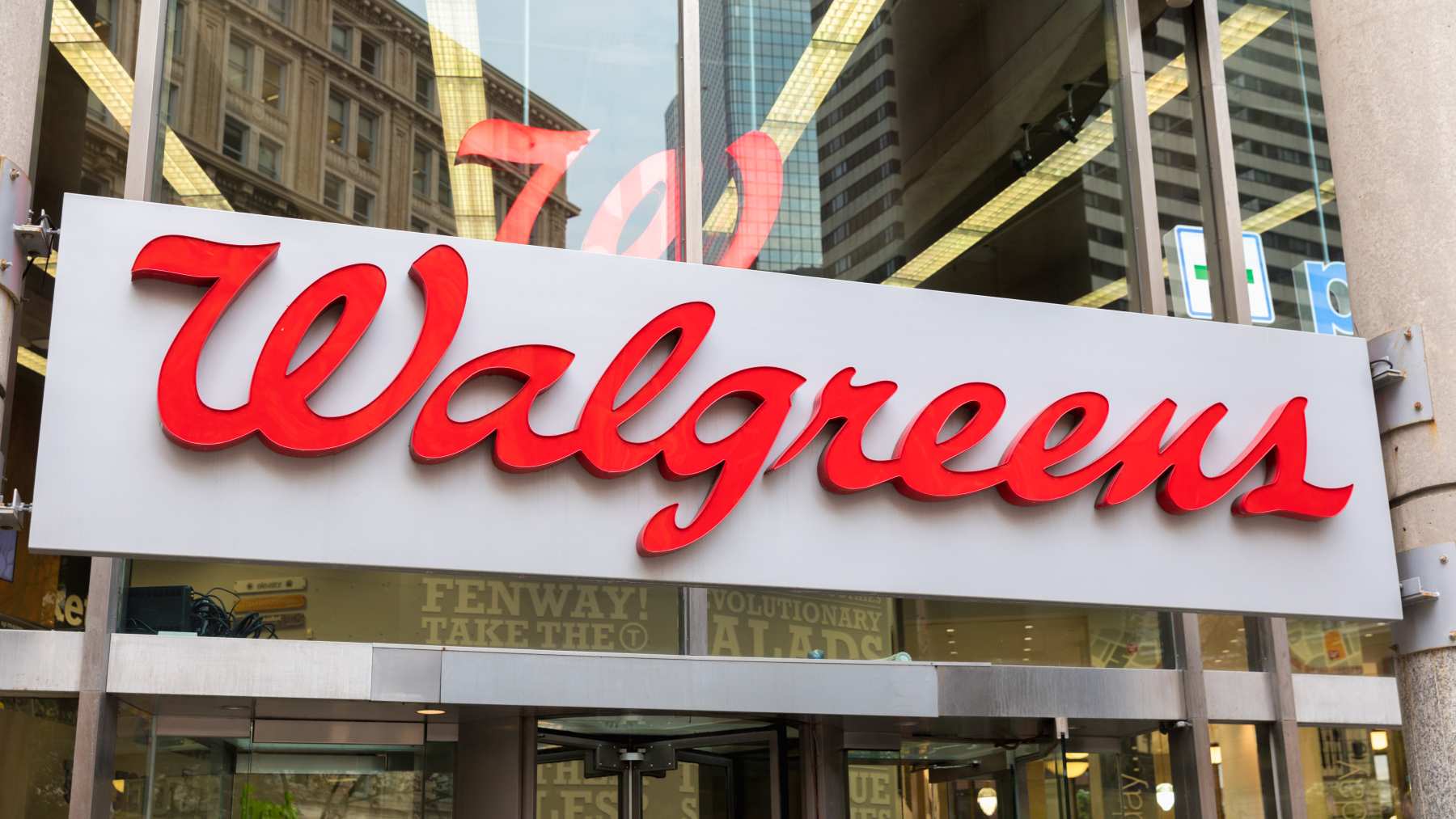
Walgreens declared that, as part of a larger plan to reduce its physical presence, it will eliminate 500 of its locations in the US by 2025. A plan to eliminate 1,200 stores over the next three years includes this strategy. The economic challenges that many retailers across the nation are facing are the reason behind this decision. Even though Walgreens’ most recent fiscal quarter exceeded Wall Street’s forecasts, the company has admitted that roughly 25% of its 8,700 U.S. locations are losing money. We are certain that our reorganization efforts will result in long-term financial and customer advantages, said CEO Tim Wentworth.
Massive store closures of Walgreens are confirmed across the country this year
The company faces a number of challenges, including declining prescription reimbursements, increasing theft at its outlets, rising costs, and a customer base increasingly inclined toward online shopping or more competitive options. In addition, the demand it had during the COVID-19 pandemic for vaccinations has declined considerably. According to recent news, here are all the Walgreens stores that will be closed in the coming months:
New York:
50 N Main St, Ellenville, NY 12428
153 Main St, Owego, NY 13827
792 W Main St, Rochester, NY 14611
5651 Whiskey Hill Rd, Wolcott, NY 14590
77 7th Ave, New York, NY 10011
New Jersey:
642 Newman Springs Rd suite a, Lincroft, NJ 07738
901 Main St, Asbury Park, NJ 07712
37 Old Hwy 22, Clinton, NJ 08809
Walgreens will need to pay $2.8M settlement due to over Medicaid pricing allegations
A federal False Claims Act lawsuit and whistleblower claims led to the pharmacy giant Walgreens agreeing to pay $2.8 million to resolve charges that it exaggerated generic medicine costs submitted to Medicaid programs in Georgia and Massachusetts. Following heightened scrutiny over pharmaceutical pricing methods and compliance difficulties, the retail drugstore chain now faces yet another legal hurdle as federal prosecutors announced the accord Thursday. The way Walgreens informed Medicaid about medication costs is at the center of the dispute.
The lowest pricing available, including a pharmacy’s “usual and customary price”—the amount the business typically charges customers—is used by state reimbursement programs to calculate payments. Federal prosecutors allege that Walgreens submitted incorrect high prices for several generic medications between 2008 and 2023, which resulted in inflated Medicaid reimbursements in Georgia and Massachusetts. Despite the settlement, Walgreens refuses to comment on the lawsuit.
Moreover, the case was sparked by allegations made by longstanding Walgreens employees Irene Gendel and Donna Chambers. Beyond price inflation, Chambers, a pharmacy manager, and Gendel, a staff pharmacist, described a number of fraudulent activities, such as overcharging for insulin pen needles and abusing the government 340B drug discount program. It is important to note that the lawsuit alleged that Walgreens engaged in:
- Improper 340B Drug Dispensing: It has been alleged that Walgreens failed to bill partner hospitals, Boston Medical Center, Tufts Medical Center, and Beth Israel Deaconess Medical Center, for inexpensive 340B medications intended for low-income patients.
- Insulin Pen Needles Overbilling: The business overbilled for insulin needles by taking advantage of charging errors that caused Medicaid and insurance companies to cover more needles than patients actually needed.
- Automatic 90-Day Prescription Switching: Walgreens allegedly increased the expense of government healthcare programs by converting individuals’ prescriptions to 90-day supplies without providing a medical reason.
Although the lawsuit has been partially resolved by this $2.8 million settlement, the whistleblower accusations raise the possibility of additional state and federal investigations due to greater systemic fraud issues. This case serves as a warning to large healthcare retailers navigating government payments and compliance obligations, as pharmaceutical pricing is currently under national scrutiny. This Walgreens case might just be the beginning of the corporate wrongdoing that is being revealed by whistleblower-driven cases in the healthcare industry.




