
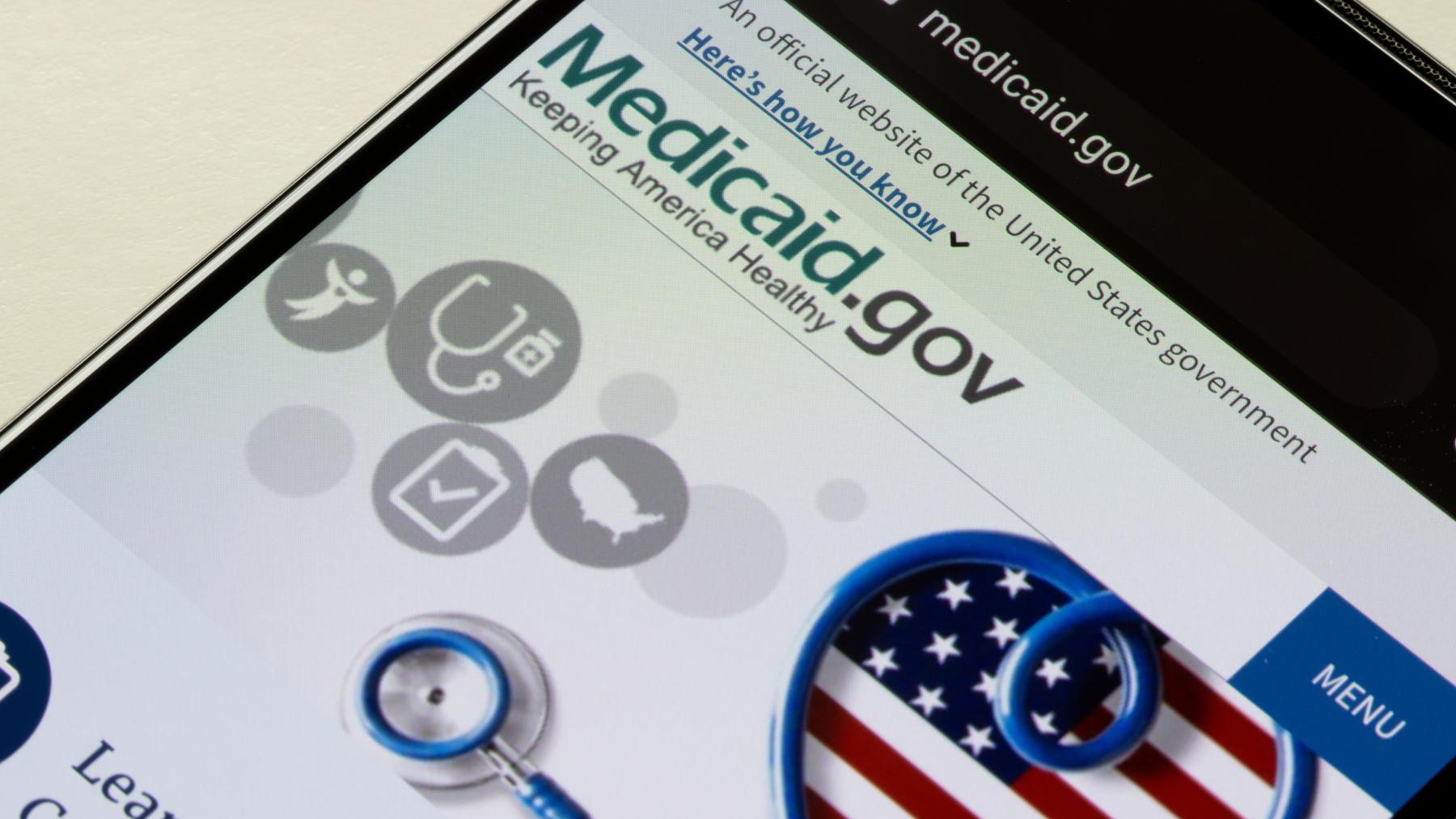
Five million people might lose their Medicaid coverage shortly, putting millions of Americans in a health emergency. New eligibility conditions and work requirements that were promised to disqualify millions from the program are the cause of the abrupt change. For decades, Medicaid has provided essential health care to Americans living in poverty; however, recent legislative changes have put millions of people at risk. If Medicaid is eliminated, millions of people will be left without insurance and unable to receive the necessary medical care, making them vulnerable both financially and physically.
New work requirements threaten Medicaid coverage for millions
According to the Robert Wood Johnson Foundation, stricter eligibility tests and additional work requirements are the main drivers of impending Medicaid disenrollments. Medicaid recipients are being required by the federal government and some states to provide documentation showing they are employed or actively looking for a job. Complete disenrollment will be imposed on those who fail to comply.
Many recipients will no longer be eligible due to their income or employment status when states verify eligibility. This could result in unexpected coverage gaps that prevent people from receiving necessary medical care. It is important to note that the most impacted groups are as follows:
- Low-income people without steady employment: The likelihood of losing coverage is high for those who are unable to meet the new work requirements.
- People with disabilities: Many Medicaid clients who rely on the program for general care are able to predict coverage shortfalls.
- Elderly people who are not yet eligible for Medicare: Medicaid coverage will be terminated for some elderly people who are under the Medicare eligibility age.
- Parents and other caregivers: The increased requirements can exclude those who previously met due to childcare requirements.
- Residents of states with extremely stringent eligibility requirements: Certain states have more stringent Medicaid requirements than others.
What happens when the government program is not covered?
Medicaid loss can have serious negative effects on one’s finances and health. Medicaid is the only reasonably priced choice for some people. Should they lose it, they might encounter:
- Increased out-of-pocket medical costs will put them in a precarious financial situation.
- More people are delaying getting necessary medical care because it is too expensive.
- Higher medical debt, especially for those who need ongoing care.
- Greater medication gaps lead to ill health.
How can people check their medical status?
Checking your status as soon as possible is crucial since 5 million people are at risk of losing Medicaid. This is how:
- Open the portal in your state and log in: Most states offer online access to Medicaid accounts.
- Look for notices of renewal: Keep an eye out for notices of eligibility reviews via mail or email.
- Speak with official representatives: To find out your coverage status, give your state’s Medicaid office a call.
- Examine other possibilities for healthcare: Look for employer-sponsored plans, ACA marketplace choices, or other state programs if your coverage is about to expire.
How can Americans prepare themselves if they are losing Medicaid?
Here are preventive actions to take if you are one of the 5 million individuals who are not enrolled in Medicaid:
- Apply for alternative health insurance. Subsidies may be available through the ACA marketplace to assist with the cost.
- Look into employer-based insurance choices. Some places of employment offer reasonably priced health insurance.
- Examine community health programs. Clinics and nonprofit organizations frequently provide affordable medical visits.
- Appeal the government program decision. Request a review if you believe your termination was unwarranted.
Millions of Americans’ access to healthcare may be impacted by the significant issue of five million people losing their government program coverage. Many are being forced to leave the program due to work and eligibility criteria, and many are also finding themselves in difficult financial and health situations. For those affected, knowing who is in danger, how to confirm your status, and what to do next is essential. Anticipating loss and aggressively looking for new coverage will ensure access to treatment and medication and avoid medical care interruptions.




