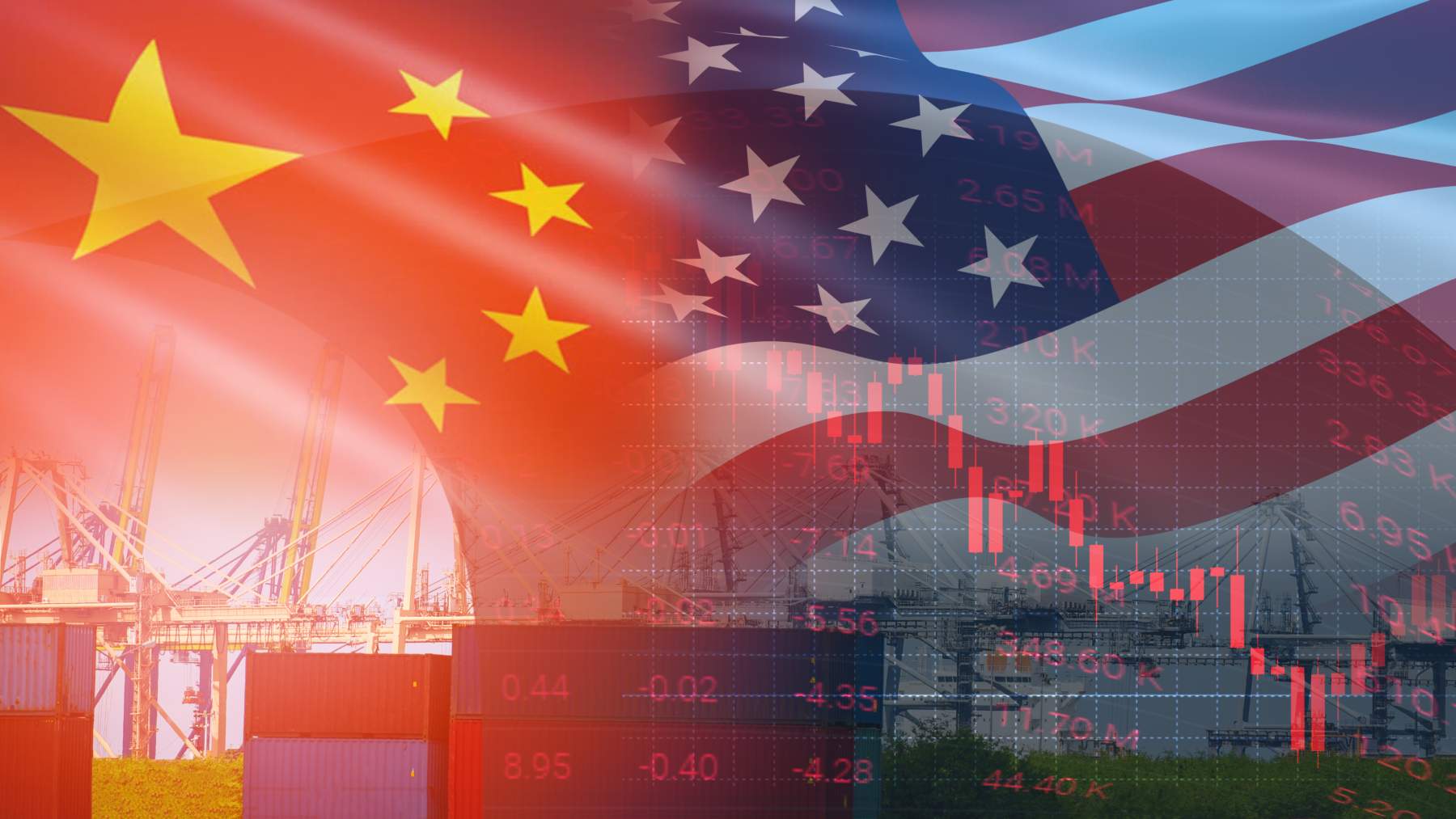
The Chinese government has not passively accepted the tariffs that the United States is preparing, as expected. Just twenty-four hours after Donald Trump declared that he would impose taxes on most foreign goods, the Xi Jinping-led administration reacted, and it has been vigorous in doing so. Thus, all US imports will be subject to a 34% tariff by China on April 10. That day’s selection was not made by accident. On April 9, the Donald Trump administration-approved tariffs will go into effect. In the hopes of coming to a consensus with its US counterpart and reducing tensions, the Chinese leadership has presumably chosen to maintain a few days of leeway.
China has responded to the US tariffs by attacking one of its weak points
In addition to enacting new duties, China has decided to suspend import permits for goods made by six US companies and to tighten restrictions on the export of some rare earths. Imposing export limits on key basic commodities is by no means the first time that Xi Jinping’s government has chosen to exert pressure on the US and its allies. It is important to note that the Chinese administration decided to limit the export of some of its rare earth processing technologies on December 21, 2023, to protect its strategic interests during a conflict with the United States and its allies.
The export of vital minerals to the United States was also prohibited in early December 2024. These include the three chemical elements—gallium, germanium, and antimony—that are necessary for the semiconductor industry. They also contain some materials that are useful for military purposes because of their great hardness. However, before we continue, let me say this: rare earths are a veritable gold mine. This odd collection of elements includes elusive metals with names like gadolinium, yttrium, scandium, promethium, and neodymium, among others. What makes them so unique are their physicochemical characteristics, even if some of them are uncommon and aren’t typically found in nature in their pure form.
Since the other elements in the periodic table cannot match their properties, they have become extremely valuable resources in a variety of industries during the past few decades, particularly in semiconductors, electronics, and renewable energy. Rare earths are crucial to the United States for this reason. The extent of the recently approved new export restrictions on rare earths by the Chinese Ministry of Commerce is unknown at this time, but we will update this post as soon as we learn more. Before their new taxes take effect, the US and China have five days to agree. We’ll find out if they’re truly prepared to ease the strain.
After tariffs against China, the global stock market has spoken
After the United States imposed broad new tariffs, China’s Foreign Ministry said on Saturday that the market had spoken and urged the White House to adopt equal-footed discussions to resolve the intensifying trade conflict. As part of a worldwide meltdown, U.S. stock markets plummeted for the second day in a row on Friday, with all three major indices falling by over 5%. China’s Finance Ministry said Friday that it would apply a 34% duty on all U.S.-imported goods beginning on April 10, which further fueled market turbulence.
A 10% duty on nearly all nations and significantly higher tariffs on many more are among the extensive new levies that U.S. President Donald Trump announced last Wednesday as part of the new reciprocal tariffs. The president of the United States imposed 34% more retaliatory tariffs on China, increasing the total amount of U.S. levies against the second-largest economy in the world to 54%. Trump said on Truth Social that big business is not concerned about the tariffs and that his policies will never change, looking unmoved by the market reaction to his tariff launch on Friday.