
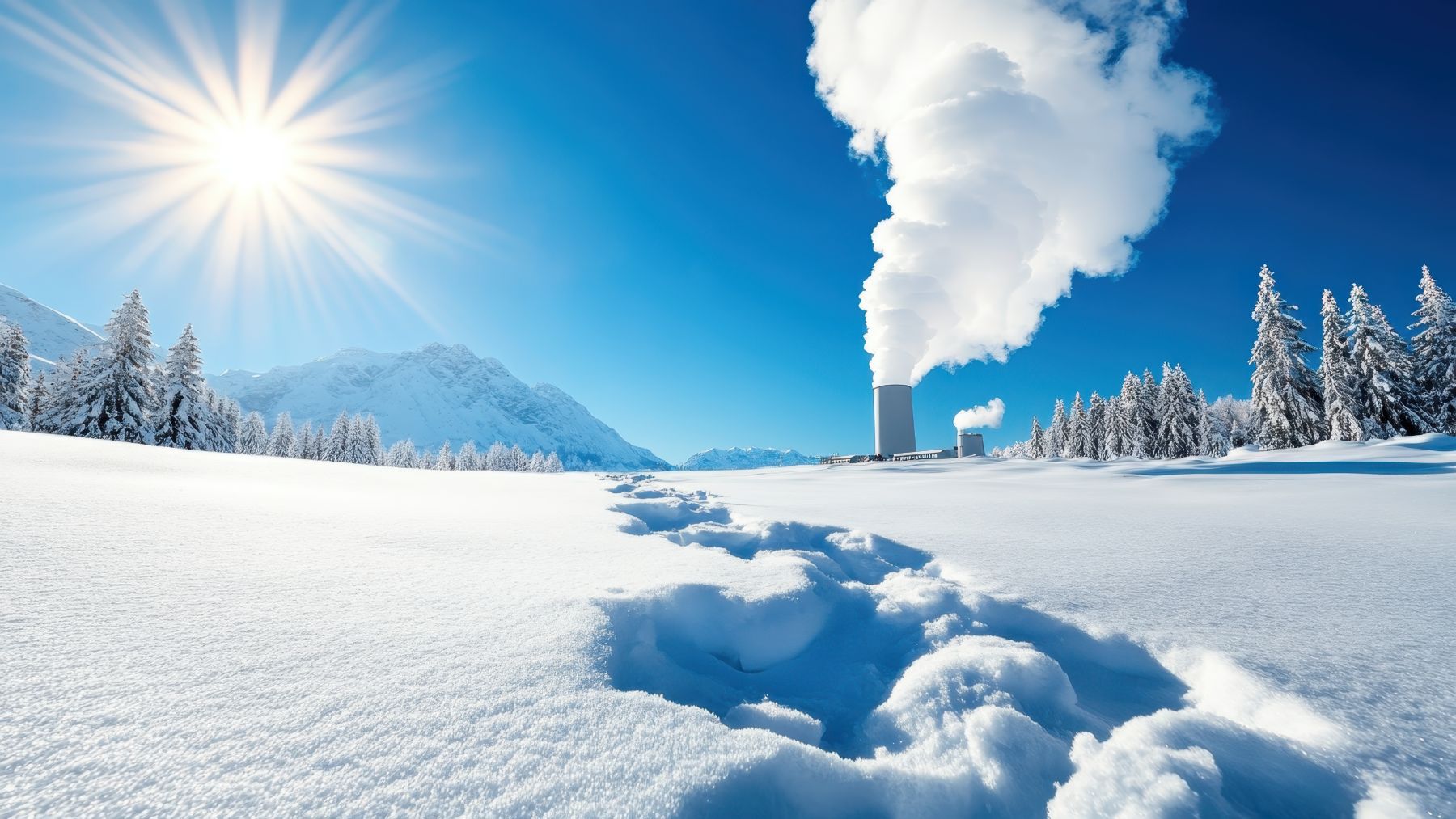
Indeed, planet Earth is in a constant crisis. Not only economic, but also environmental, which is almost more important. A new study shows how serious global food production would be under different nuclear winter scenarios. A nuclear winter could reduce global corn production by up to 87% and cause an unprecedented food crisis, according to a Penn State study.
The detonation of a bomb ejects tons of dust and soot into the stratosphere
According to the studies and forecasts available to us, we can go back to the first time the theory of Nuclear Winter was discussed, which was developed in the 1980s. The detonation of a bomb ejects tons of dust and soot into the stratosphere, resulting from the explosion and subsequent fires, according to some research.
Nuclear winter is a devastating climate effect theorized to occur after a large-scale nuclear conflict, where nuclear weapon explosions and the resulting firestorms inject enormous amounts of soot and dust into the atmosphere. If even a fraction of the existing arsenal were detonated, the planet would be partially deprived of sunlight; the more powerful the bombs detonated, the more the light would be reduced.
Nuclear Winter: Photosynthesis would be disrupted, and rivers would freeze, killing many plants and animals
This would reduce the amount of sunlight reaching the surface for years, which in turn would cause the death of many plants and animals, including those we depend on for food. A harsh and prolonged Nuclear Winter would follow: Photosynthesis would be disrupted, and rivers would freeze, killing many plants and animals.
The southern hemisphere would recover faster than the northern
Such a situation would not only devastate cities, it would also cut short the lives of people and animals. The effects on the climate would lead to a drastic reduction in agricultural production and an increase in disease, worsening the already extremely difficult situation facing society. In general, the southern hemisphere would recover faster than the northern, and the regions closest to the equator faster than those closest to the poles.
“We simulated corn production in 38,572 locations under six nuclear war scenarios of increasing severity…”
Depending on its intensity, Nuclear Winter could wipe out all life on Earth. Recent research confirms these predictions. “We simulated corn production in 38,572 locations under six nuclear war scenarios of increasing severity -with soot injections ranging from 5 million to 165 million tons,” says Yuning Shi, a plant scientist and meteorologist at Penn State. The simulations suggest that global corn production could take between seven and 12 years to recover from nuclear winter, depending on the severity of the war.
There are some modifications that humans can make, changes during agriculture to adapt to new conditions. For example, switching to corn varieties that grow better in colder conditions and shorter growing seasons could reduce agricultural productivity loss by up to 10%.
“The kits would help maintain food production during the unstable years following a nuclear war”
The research team proposes preparing what they call agricultural resilience kits. These would consist of crop seeds selected to best fit the proposed climate scenarios in each region. Armen Kemanian, lead developer of these simulations, states, “These kits would help maintain food production during the unstable years following a nuclear war, while supply chains and infrastructure recover.”
The bottom line is that the devastating consequences of a large-scale nuclear conflict would cause an unprecedented catastrophe, not only due to direct deaths, the destruction of industries and infrastructure, economic and administrative collapse, and radioactive contamination, but also due to severe global climate change in the years that followed. It would take years and years for humans to recover and recreate a stable habitat.




