
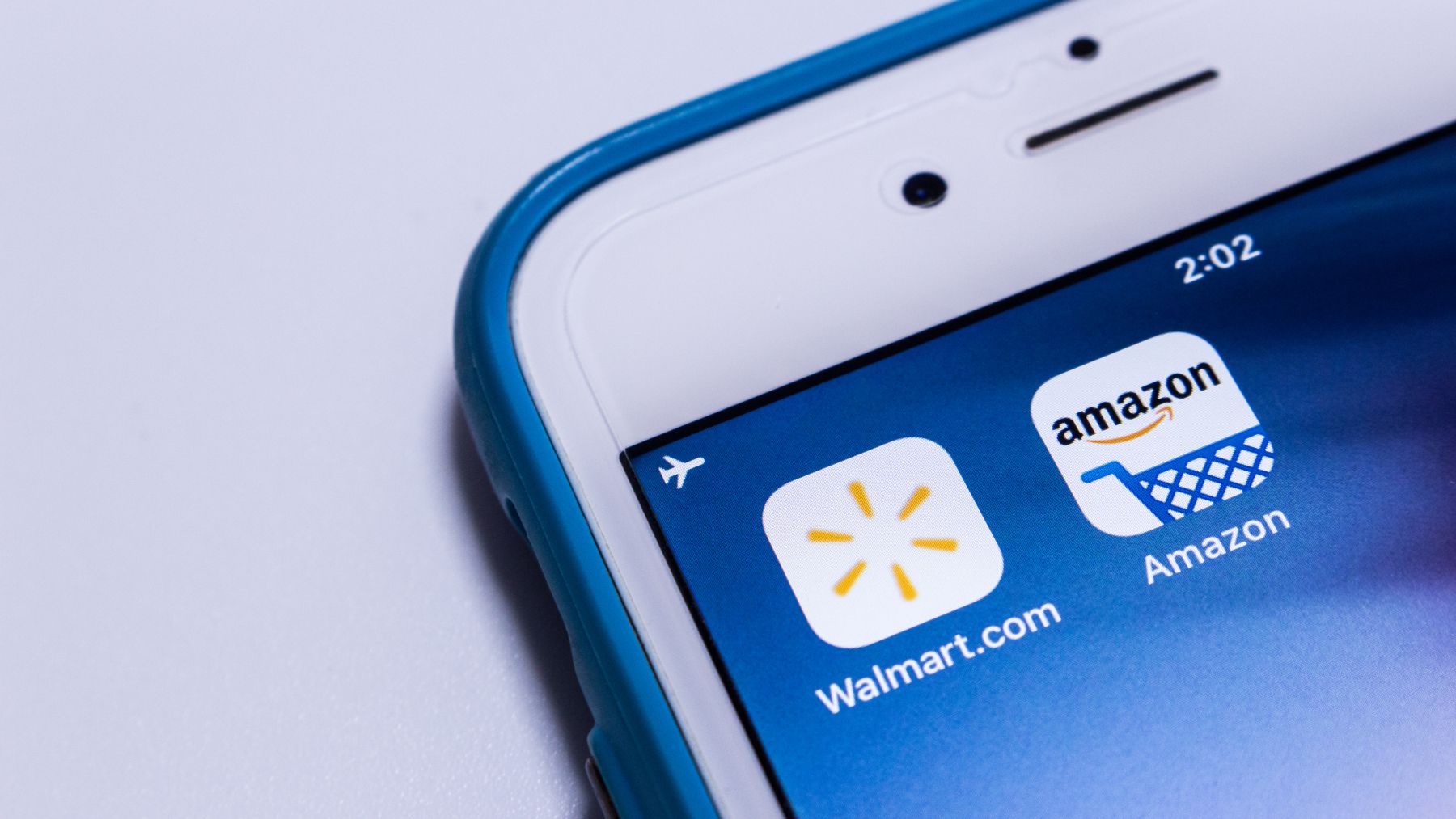
It may surprise you to learn that some of the largest merchants in the United States, such as Amazon and Walmart, will let you keep the item and offer you a complete refund without requiring a return. This little-known strategy makes financial sense for small businesses, even if it seems too good to be true. Retailers who want to satisfy consumers while reducing shipping costs, processing time, and other expenses associated with managing returns are increasingly adopting this strategy, known as returnless refunds. In addition to simply restocking, online retailers incur costs associated with each return. These costs include labor, packaging, and often the inability to resell a returned item.
Amazon and Walmart could eliminate the one-way return policy
Companies like Amazon and Walmart have decided that some items just aren’t worth the trouble to take back. For instance, shipping and processing a $20 T-shirt could cost $30; thus, the entire process ends up costing money. The same goes for certain disposable products or medications that legally can’t be put back on the market. In situations like these, letting the buyer keep the item and issuing a refund is just more cost-effective and straightforward.
Retail experts claim that returnless reimbursements are rarely used and usually applied to low-cost or low-resale-value items, though this is not always the case. It may seem like a retailer’s act of kindness, but don’t be fooled—this is a business move meant to save costs and keep customers coming back for more. Some Amazon consumers are getting their money returned without having to send in their merchandise, but this may not be a huge concern to shops. Although this practice isn’t exactly a top-secret tactic, it’s still unclear exactly when and why it occurs.
In some areas of the retail industry, returnless refunds are subtly growing in popularity, despite the fact that the majority of firms don’t explicitly state these rules on their websites (and prevent return fraud). Amazon, which has been employing this strategy for years, made the decision to increase the selection even more. The e-commerce behemoth said in August of last year that third-party merchants in the United States who use its fulfillment services could also provide returnless reimbursements.
This implies that retailers may decide to give a refund for transactions under $75 without asking clients to return the goods. The goal of this modification is to streamline processes, reduce costs, and preserve customer happiness while making returns as simple as possible.
Therefore, businesses are making thoughtful decisions about when a return isn’t worth the hassle, even though they aren’t exactly giving away free items. Amazon has been more open about providing returnless refunds to foreign sellers and enterprises that deal in inexpensive goods, even though they don’t usually make a big issue out of it.
This no-return refund policy will extend to goods sold on a new section of Amazon’s website, where American customers can purchase low-cost items sent directly from China. Walmart swiftly followed suit, allowing sellers on its booming online marketplace to choose whether or not to give no-return refunds, as well as the price range. Rather than following a one-size-fits-all procedure, sellers are free to set their policies for handling these returns. Chinese retailers such as Shein and Temu have also adopted this strategy; however, they only use it for a small percentage of purchases. In the meantime, pet shops Chewy, Target, and Overstock have also joined the trend.
Customers of Chewy have even reported that the company encouraged them to donate unwanted items to nearby animal shelters, which is advantageous for both pet owners and companies looking to reduce return expenses. Ultimately, the goal of returnless refunds is efficiency rather than charity. Businesses are letting customers keep inexpensive or large products and moving on rather than wasting money shipping them back.




