
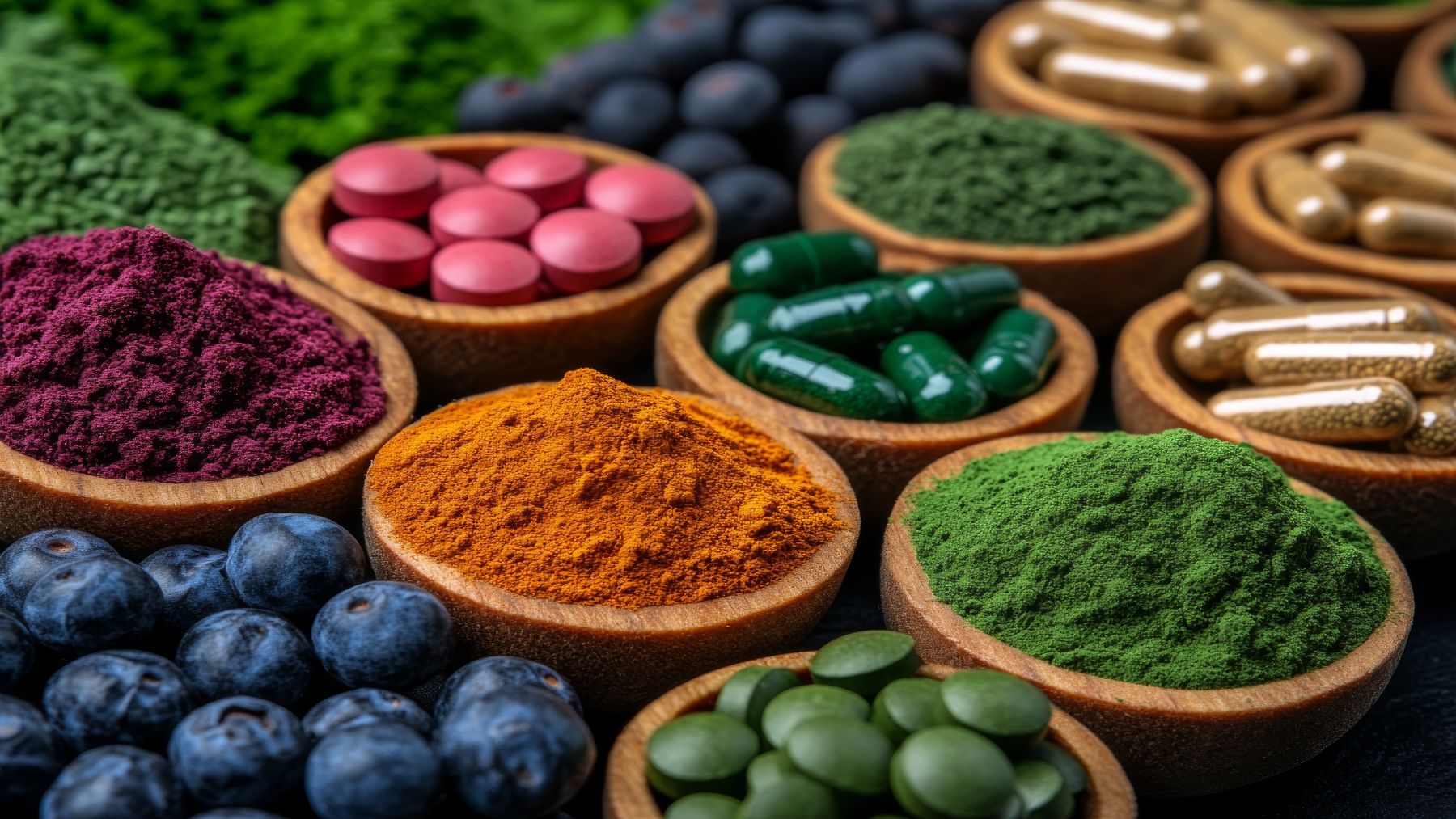
Nowadays, it’s common for people to take supplements. This is because information reaches citizens faster and more effectively, and because social media has led to influencers recommending products that are then used by the users who consume that content. However, recent results from the University of Michigan have concluded that some 15.6 million American adults (5%) have taken at least one plant-based dietary supplement in the past 30 days that could be harmful to the liver or hepatotoxic.
Dietary supplements are offered as a “natural remedy” do not require approval by the European Medicines Agency
Furthermore, data from the US Drug-Induced Liver Injury Network indicate that rates of liver injury due to botanicals have increased from 7% in 2004-2005 to 20% in 2013-2014. It is important to remember that, in this sense, dietary supplements are offered as a “natural remedy” and do not require review or approval by the European Medicines Agency or any official health agency for marketing. This means that any citizen can purchase these supplements without a prescription.
The study, recently published in the scientific journal JAMA Network Open, examines the use of six popular dietary supplements that are promoted for improving health but are considered by scientists to be “potentially hepatotoxic botanicals.” The new study analyzed data from more than 9,500 American adults with a mean age of 47.5 years who participated in the National Health and Nutrition Examination Survey (NHANES) between 2017 and 2020. The supplements included in the analysis were: ashwagandha, black cohosh, garcinia cambogia, green tea extract, red yeast rice, and turmeric or curcumin.
Green tea extract: Green tea consumption, as an infusion, is not linked to liver toxicity
Herbal supplements can have serious side effects, and some herbs can interfere with medications. Supplement users primarily consumed these botanicals on their own to address various issues: turmeric for joint health and arthritis, green tea extract to boost energy levels, G. cambogia for weight loss, black cohosh to control hot flashes, and red yeast rice for cardiovascular health. It’s important to note that the study analyzed medical information that included the use of prescription medications and herbal supplements. It’s also important to clarify that when we talk about green tea, we’re talking specifically about green tea extract. Green tea consumption, as an infusion, is not linked to liver toxicity, although a recommended intake limit is recommended.
Medical researchers are concerned that people are unaware that they come with a serious risk of overdose
Despite the study’s results, the researchers do not oppose the use of these supplements. In other words, they publish the results so that citizens are fully informed about the potential consequences of supplements seemingly marketed as “natural.” This is especially true if the person is undergoing medical treatment or taking prescription medications. Medical researchers are concerned that people are unaware that they come with a serious risk of overdose, resulting in emergency department presentations. Hospitalizations increased from 7% to 20% over the decade between 2004 and 2014.
“It is recommended that clinicians obtain a complete medication and SDS usage history”
“The use of herbal and dietary supplements (HDSs) accounts for an increasing proportion of drug hepatotoxicity cases,” said the researchers, led by Alisa Likhitsup, an assistant professor of gastroenterology. Many people take some habits to the extreme, and this, combined with misinformation, can have consequences that can be very harmful to health.
“In light of the lack of regulatory oversight regarding the manufacturing and testing of botanical products, it is recommended that clinicians obtain a complete medication and SDS usage history when evaluating patients with unexplained symptoms or liver test abnormalities,” the researchers wrote in the study. Therefore, we urge you to seek information and always follow the instructions of professionals.




