
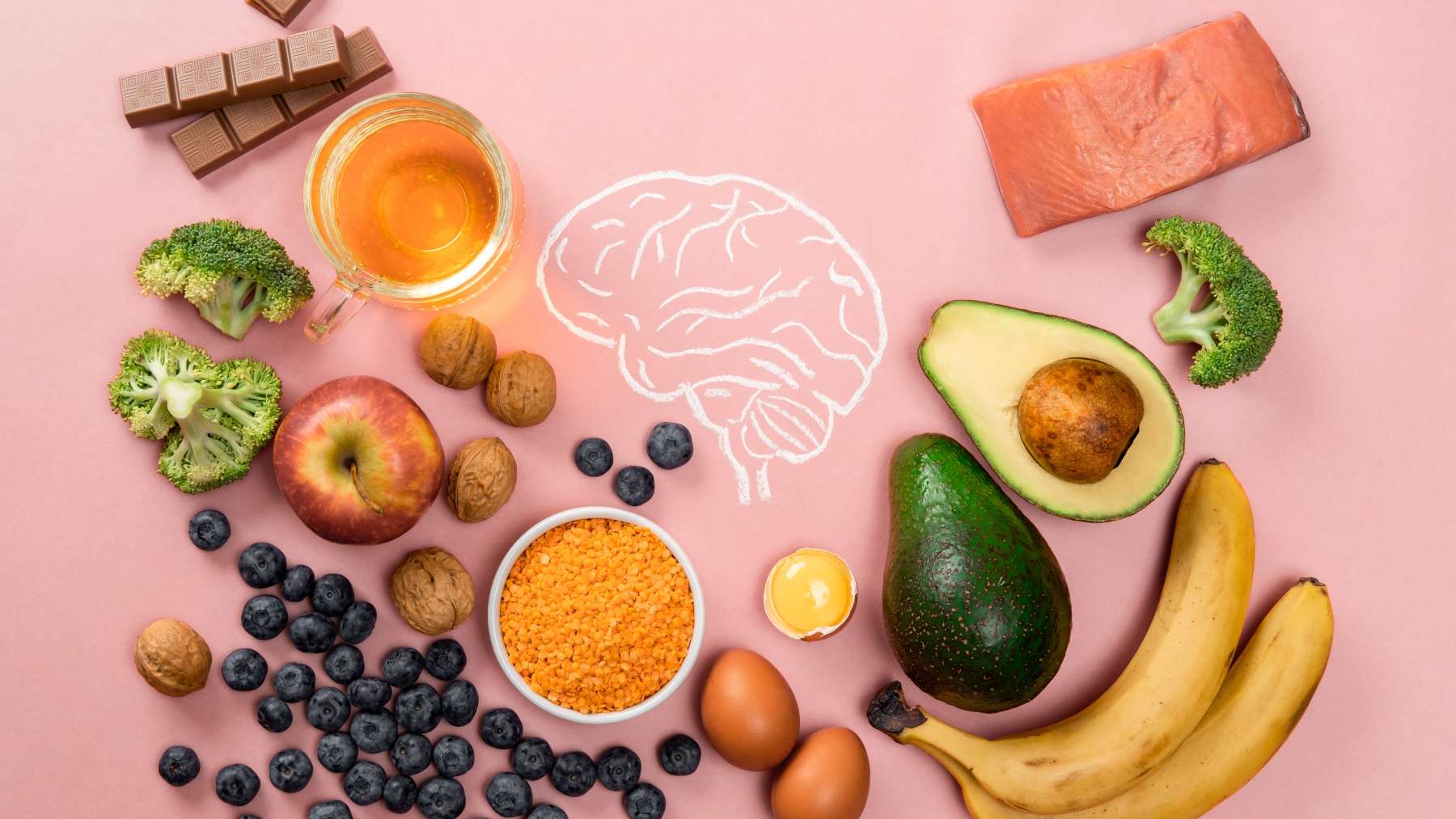
Eating for pleasure without regard to physiological needs is known as hedonic eating, but many people are unaware that this process happens directly in the brain. Overweight may be encouraged by this habit, which is typically driven by the delicious flavor of particular foods. The brain processes behind this stage of hunger were not well understood until recently, particularly how dopamine contributes to prolonged consumption.
This is the brain switch that makes you eat more than you need to
Researchers from the University of California and the Howard Hughes Medical Institute have released a new study in Science that highlights the critical function of dopaminergic neurons in the ventral tegmental region (VTA). When consuming enjoyable foods, these neurons, known as VTADA, specifically alter the consumption phase, which strengthens the need to eat more. The three stages of the eating process are satiety, consumption, and search. Each has its brain circuits that govern it. Less research has been done on the consuming phase, which is when eating is sustained, even though hunger and satiety signaling have been thoroughly studied.
Global dopamine alterations that can produce contradictory results were avoided by the study’s authors. Rather, an optogenetics method that was calibrated to only activate or inhibit VTADA neurons during feeding was employed. The specific function of these cells during hedonic feeding was therefore discernible. Mouse experiments revealed that the amount of time spent consuming enjoyable food is correlated with the activity of VTADA neurons. The dopaminergic activity increases with the taste of the food. Furthermore, this reaction was exacerbated by hunger. The mice were able to eat for extended periods by artificially activating these neurons while they were eating. Inhibiting them, on the other hand, reduced their intake.
It’s interesting to note that turning on these neurons while the animals weren’t feeding didn’t make them feel more hungry, proving that their impact varies depending on the situation. Additionally, the researchers investigated the behavior of this circuit when satiating medications are used. They employed semaglutide, an agonist of the GLP-1R receptor that has been authorized for the treatment of obesity. Through the activation of satiety circuits, this chemical decreases hunger. Following the treatment of semaglutide, mice lowered their intake of pleasant foods because the activity of VTADA neurons decreased throughout this time. But following treatment-induced weight loss, both hedonic consumption and dopaminergic activity rose once more. Reversing this recovery might be accomplished by blocking VTADA neurons once more.
An indirect connection in the brain that amplifies eating pleasure
The study also determined the function of peri-locus ceruleus glutamatergic neurons (periLCVGLUT2), another group of neurons. Hedonic eating, particularly when very appetizing food is present, inhibits these cells. Despite not starting the food-seeking activity, they act indirectly on VTADA brain neurons by inhibiting them during eating, which prolongs intake. The VTAVGAT inhibitory interneurons receive signals from the periLC neurons and use them to control the VTA’s dopaminergic neurons.
The study’s findings point to an appetite regulation mechanism that strikes a balance between satiety and pleasure. The dopaminergic circuitry discovered in this work counteracts the action of medications like semaglutide, which activate satiety pathways, by promoting consumption for pleasure. This discovery could perhaps clarify why some individuals experience a resurgence of hunger for delectable foods following effective GLP-1R agonist treatment. It also implies that individual variations in this circuit’s adaptability could affect how well anti-obesity treatments work.
Beyond merely controlling caloric intake, obesity is a complex disorder. There is a problem with current treatments since this study shows that pharmaceutical satiety signals can be overridden by brain reward pathways. According to the scientists, the creation of treatments that combine GLP-1R agonists with measures that target the dopaminergic consumption circuitry may increase the effectiveness of existing treatments and lower the likelihood of dietary relapse.




