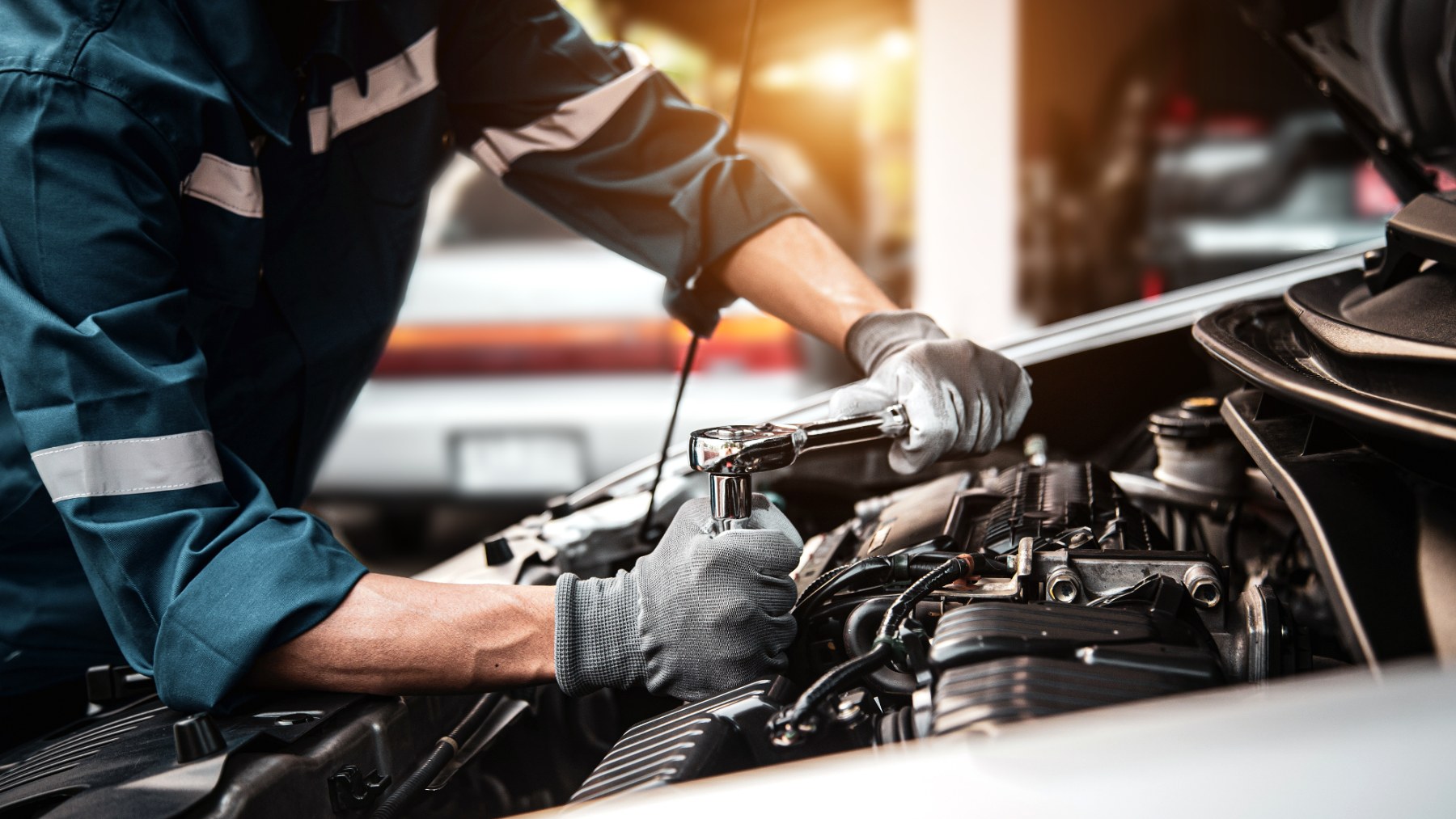
The lifespan of a car used to feel like a dice roll; some engines wheezed at 120,000 miles while others kept humming past a quarter‑million. A Spanish mechanic recently summed up the secret in four words: no lo pongas al rojo —don’t spin it into the red. Add a few easy habits and you can aim far past 372,000 miles (600,000 km) without draining your savings.
Engine longevity isn’t luck, it’s routine
Today’s blocks are cast with tighter tolerances, but they still rely on the same trio of oil, coolant, and driver patience. Your owner’s booklet (yes, that glove‑box brick you haven’t opened since buying the car) spells out the exact service rhythm. Follow it and you’re already miles ahead; jump the gun on fluid changes and you tilt the odds further in your favor.
Oil early, oil often
Synthetic oil resists thermal breakdown and keeps varnish off piston rings for up to a quarter‑million miles, according to Car and Driver. Still, chemistry isn’t invincible. Change the oil (and the filter) every 5,000 miles if you want hero numbers.
Need proof? A 2011 Honda Civic hit half a million miles on its original engine; its owner swaps oil at 10–12 k miles and coolant every 40 k. Shorter intervals would only add margin.
Cooling, fluids, and filters
Heat is the silent killer. Coolant ages, additives deplete, and acidic brew eats head gaskets. Replace it every five years or 60 k miles. Do the same vigilance for transmission fluid, brake fluid, and power‑steering fluid. Air filters are a $20 part that can strangle an engine when clogged; changing them yearly helps keep fuel economy from eroding.
If you haven’t noticed, a great part of car maintenance is knowing when to replace the various viscous liquids your car needs to function. Think of it as making sure your vehicle has periodic dialysis to stay healthy.
Warm‑up and gentle revs
Popular Mechanics notes that letting an engine idle for 30–60 seconds after a cold start gives the oil pump time to flood bearings and cam lobes before you add load. Much like a workout, your car will be grateful for the warmup before exercising. Once you pull away, keep revs modest for the first mile or two.
That habit alone gashes the metal‑on‑metal friction that cuts lifespan short. Redlining when the oil is still thick? Save it for later.
Drive‑style tweaks
Think of every red‑light drag race as a micro‑lifespan withdrawal. Smooth, linear throttle keeps cylinder pressures predictable and rod bearings content. Yet the RAC reminds drivers to visit the redline occasionally —only after the oil is fully warm— to burn off carbon and stop piston rings from sticking.
The key is moderation: one spirited pull every few hundred miles, not every commute.
Fix little things before they snowball
An amber check‑engine lamp isn’t a Christmas ornament. A $40 oxygen‑sensor replacement today can prevent a catalytic‑converter meltdown tomorrow. That philosophy carried a 2003 Honda Accord to the doorstep of one million miles; the owner tackles minor leaks and rattles as soon as they appear and budgets for quality parts rather than the cheapest ones in the bin.
Rislone’s high‑mileage checklist pegs 200–300 k miles as a reasonable goal for most modern vehicles. Push the maintenance envelope and your engine could flirt with the magic 372,000‑mile mark. That diligence runs roughly $400 a year (oil, filters, coolant, and an occasional belt)versus the $5,000‑plus bill for a replacement long block.
Read the booklet, schedule that oil change a week sooner, and keep the tach needle out of the red until the oil is toasty. Do that and your engine will outlast the payments, the paint, and maybe even the stories you tell about it.