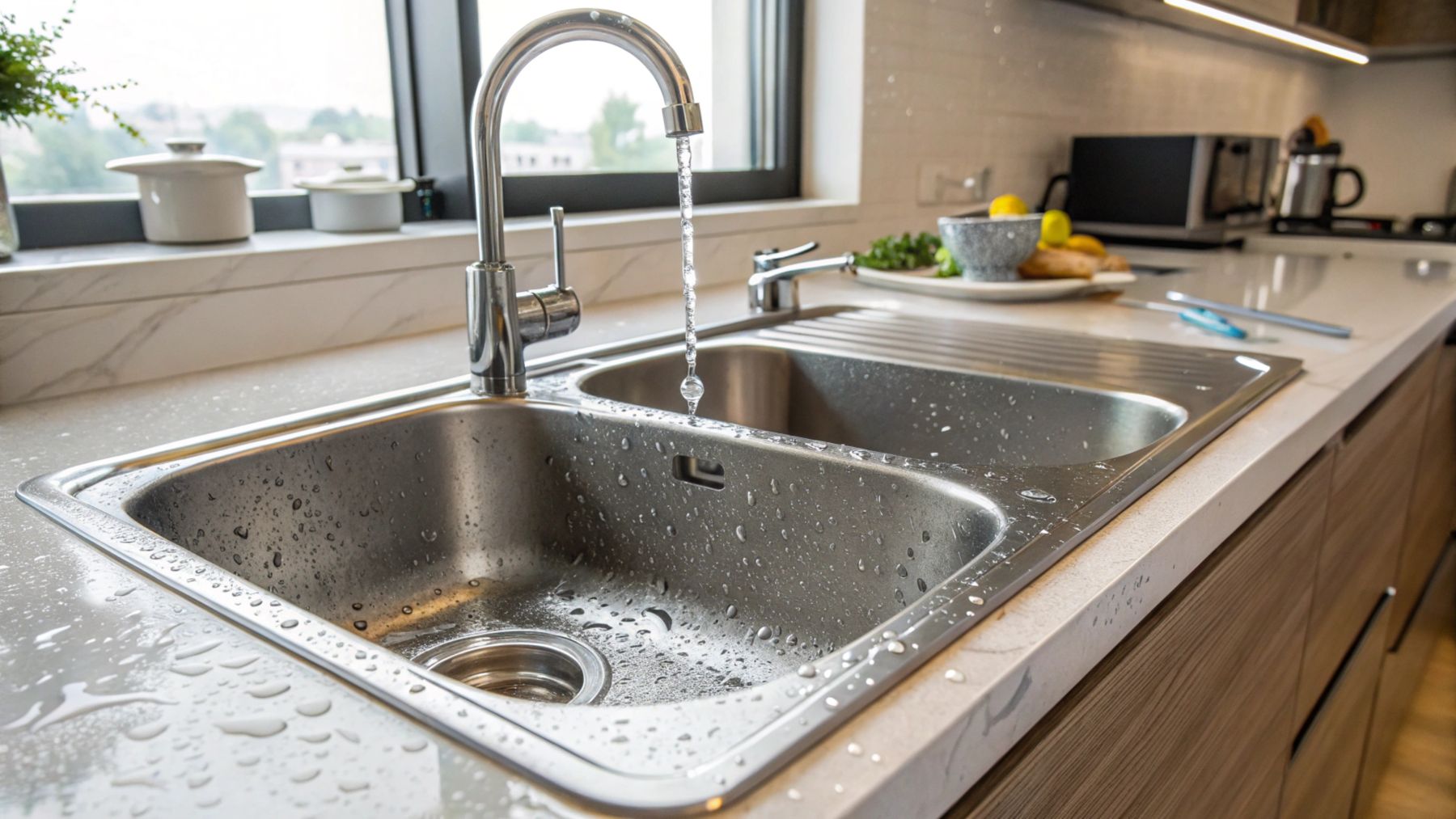
Pouring boiling water down the kitchen sink is common, especially when cooking and needing to dispose of water, or even when many people use it to unclog pipes. The fact is that, according to experts, the pipe materials may not be able to withstand such heat. Experts set the temperature at a maximum of 100°C, as this can cause the pipes to deform or break.
Water is a common component of sinks, whether when washing dishes or draining pasta, extreme temperatures can pose a risk
A series of issues combined can end in disaster. Hence the importance of understanding the materials we work with. Although water is a common component of sinks, whether when washing dishes or draining pasta, extreme temperatures can pose a risk. Experts emphasize the importance of knowing the limits of the materials from which the pipes are made and how they respond to heat. This is especially important if the pipes are made of materials such as plastic or stainless steel.
According to the manufacturer, standard PVC can withstand temperatures of up to 60°C; beyond that, it becomes more flexible and loses strength
PVC, for example, is a thermoplastic material, so it maintains its properties within a moderate temperature range and can deform if its limits are exceeded. According to the manufacturer, standard PVC can withstand temperatures of up to 60°C; beyond that, it becomes more flexible and loses strength. Therefore, the materials are extremely important. People’s safety must also be taken into account. Water at very high temperatures can cause serious and painful burns. Therefore, make sure you have a suitable container and don’t get too close to avoid splashes or steam, as not only direct contact with water can cause burns, but also splashes and hot steam.
Experts recommend running cold water at the same time to reduce the temperature, gradually reducing the temperature, trying to warm the water slightly before pouring it
And it’s not just about draining pasta in boiling water; many products often specify the need to run hot water to unclog drains. To avoid problems, experts recommend running cold water at the same time to reduce the temperature, gradually reducing the temperature, trying to warm the water slightly before pouring it, or considering using pipes made of another material if this step can’t be reduced.
There’s no need to use toxic products or add boiling water, especially if you don’t know what materials your sinks or pipes are made of
When faced with clogged drains, experts also recommend using a mixture of baking soda, baking soda, and vinegar. This way, there’s no need to use toxic products or add boiling water, especially if you don’t know what materials your sinks or pipes are made of. It’s important to remember that newer installations can tolerate temporary increases of up to 95 degrees without damage, making them suitable for receiving hot water from cooking foods like pasta or rice. Therefore, knowing what materials you’re working with will make it easier.
Before pouring boiling cooking water down the drain, it’s essential to check the condition of your home’s plumbing
n conclusion, what’s clear is that if you have any questions, it’s always best to consult an expert who can explain how to handle a blocked drain or any similar problem. And of course, before pouring boiling cooking water down the drain, it’s essential to check the condition of your home’s plumbing. If the leak occurs after cooking, it can be resolved simply by mixing it with cold water. This trick can prevent headaches and more serious future problems with the plumbing of one of the most commonly used faucets in homes.