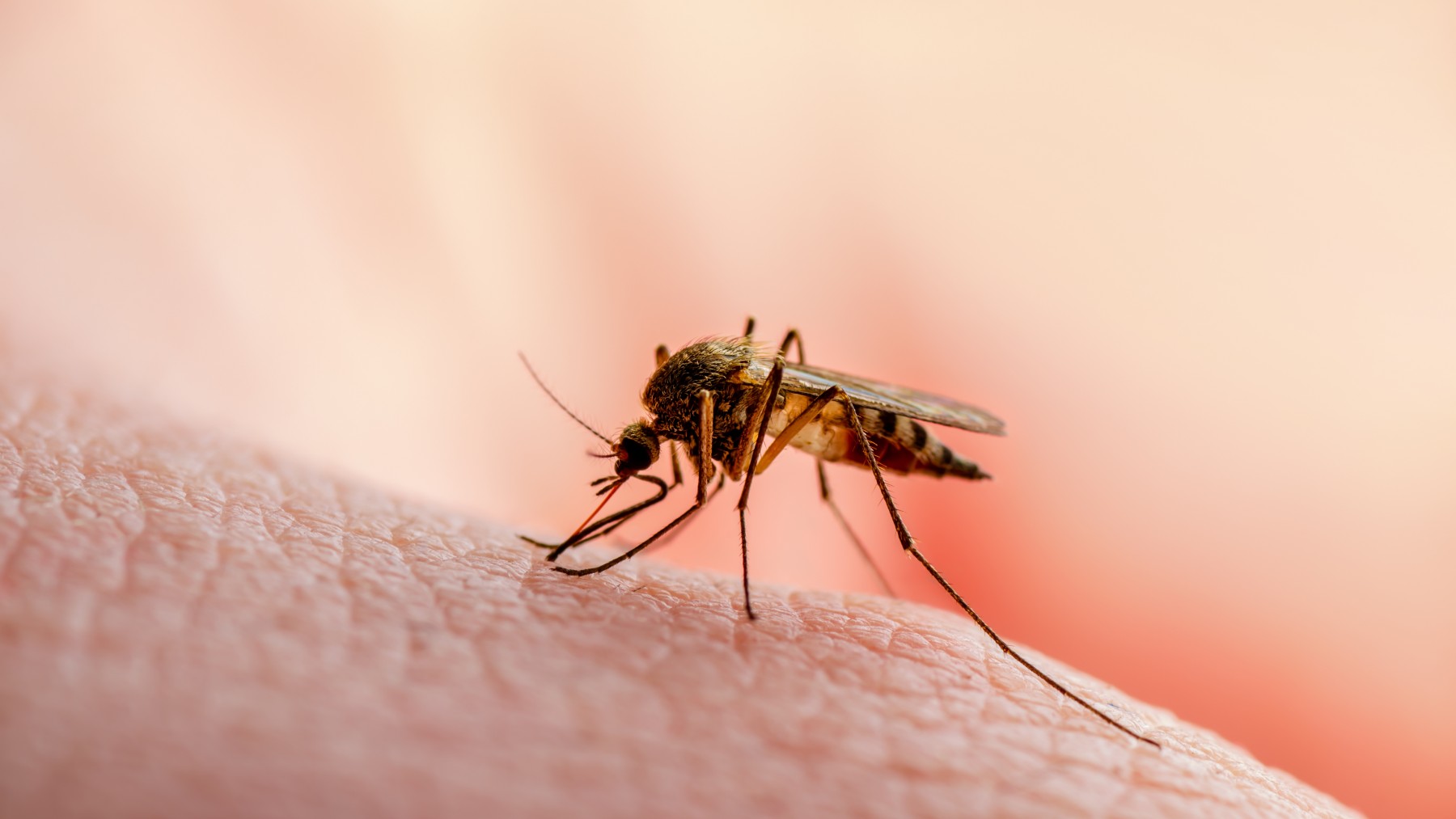
Due to a genetic change, dengue mosquitoes have become resistant to the spraying used to control them, according to recent research conducted by Argentine scientists. Something that has caused some controversy on social media, particularly on “X” (previously Twitter), is very unexpected. Numerous experts from the National Council for Scientific and Technical Research (CONICET) have reportedly discovered gene changes in the mosquitoes that spread this illness, which afflicts thousands of individuals nationwide. The first dengue fever cases were documented in 1998.
Argentine scientists have found that dengue mosquitoes have become resistant to spraying
The University of Salta’s CONICET specialists have gathered Aedes aegypti mosquito eggs in the town of Oran (Salta), and at Puerto Iguazú (Misiones), Clorinda (Formosa), and Tartagal (Salta), colleagues from the Mundo Sano Foundation followed suit. For this reason, Argentinian scientists urge people to consider the following measures regarding dengue mosquitoes:
Biosafety precautions
We raised these eggs to adults in our lab under biosafety precautions, and when subjected to typically fatal dosages of pyrethroids, we discovered that all tested populations exhibited strong resistance to the drug. The study’s director, Laura Harburger, stated, “The insects remained resistant even after we tested up to ten times the dosages utilized.”
V410L genetic mutation
The V410L genetic mutation was discovered for the first time in the typical sample of dengue vectors gathered in northern Argentina, in collaboration with researchers from the Oswaldo Cruz Institute in Rio de Janeiro. There has been some discussion about this on social media.
Toxicological bioassays
According to the expert, the majority of people who are resistant to pyrethroid pesticides display this new genetic mutation found in the work together with two other previously published mutations (F1534C and V1016I), which were found in the toxicological bioassays. It’s no surprise.
High resistance to pyrethroids
Paula Gonzalez, the study’s primary author and a CONICET researcher at CITEDEF and CIPEIN, has also underlined that the toxicological analysis has shown that the three genetic changes found in the examined dengue mosquitoes contribute to their high pyrethroid resistance.
Further experiments were carried out by the protagonists to investigate a viable alternative to provide society with a new dengue vector control resource. Harburger concluded that all Aedes aegypti populations gathered in the field were vulnerable after experiencing 100% mortality from a substance known as pirimiphosmethyl.
The Bill Gates-backed project uses modified dengue mosquitoes in Colombia
At a Colombian lab, the dense clouds of dengue mosquitoes and jars of larvae in stagnant water may appear like nightmares. They are essential to a project that aims to stop dengue fever from spreading. To stop the spread of a virus that has killed over 4,500 people in Latin America and the Caribbean this year, the World Mosquito Program (WMP) has been using biologically engineered insects to replace local populations of Aedes aegypti mosquitoes for almost a decade. The method, developed by biologist Nelson Grisales, allows for the release of a living bacterium within a mosquito, maintaining life while avoiding the use of hazardous insecticides.
According to health authorities, the project, which was funded by American multibillionaire Bill Gates, has had encouraging results: dengue cases in the northwest Antioquia department have decreased by 95%. Conspiracy theories about Gates are common, and the mosquito project is no exception. According to Grisales, there are viral reports that the dengue mosquitoes we release have mind control chips installed by Bill Gates, that they can make people homosexual, or that they spread more severe diseases.
Instead, researchers are creating mosquitoes carrying the bacteria Wolbachia, which is found in many bug and mosquito species, in the hopes that the Aedes aegypti will disperse it in the wild. Wolbachia reduces a mosquito’s risk of catching dengue by strengthening its immune system. However, Wolbachia hinders the virus’s ability to grow inside the mosquito and spread to people if the mosquito does become infected.